
Financial strategies for achieving a secure home purchase
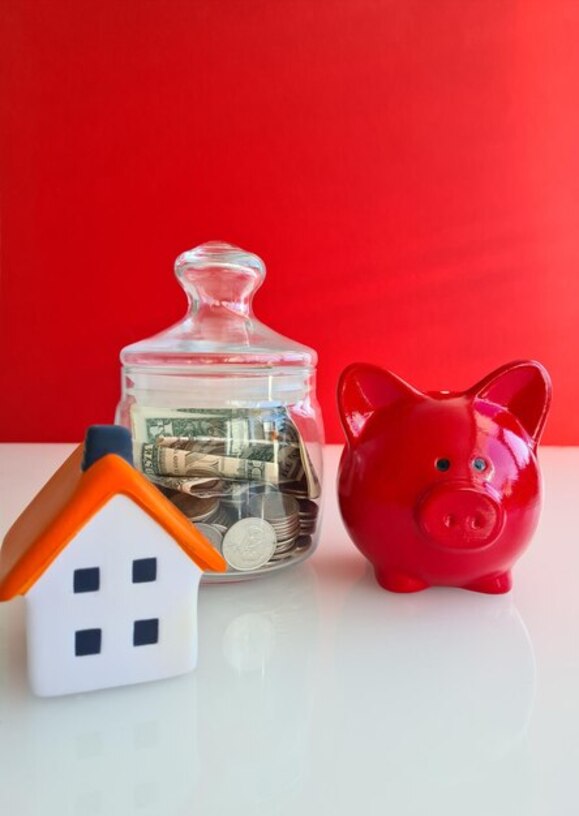
Are you ready to take the big step towards buying your own home? Such a significant investment requires meticulous financial planning and effective strategies that ensure not only your economic stability but also the security of your future. In this article, you will discover how to achieve solid savings and lay the groundwork for a purchase without unpleasant surprises. Get ready to transform your finances and make the dream of owning your own home a reality.
Understanding the Costa Rican real estate market
Understanding the Costa Rican real estate market is essential for those looking to acquire a home safely and efficiently. This market is characterized by its diversity, ranging from properties in the vibrant capital, San José, to cozy beach houses on the Pacific or Caribbean coast. Each region has its particularities in terms of prices, demand, and supply, which means that buyers must be well-informed about current trends and the factors influencing property values. Furthermore, it is crucial to consider aspects such as location, nearby infrastructure, and available services, as these elements not only affect the purchase price but also the long-term appreciation potential.
Entering the Costa Rican real estate market requires a strategic approach that minimizes risks. This includes researching local regulations related to property purchases, as well as consulting with real estate experts and financial advisors who can provide valuable information about financing and mortgage options. It is also advisable to analyze market behavior through comparative studies and recent statistics to make informed decisions. In summary, understanding this complex landscape will allow you to navigate the acquisition process with greater confidence and security, thus ensuring a solid investment for your future home.
Advertisements
The importance of the budget in home buying
Creating a solid budget is one of the most crucial stages in the home buying process. Before you start looking for properties, it is essential to have clarity about your finances and set a realistic limit that you can afford. This involves not only calculating the price of the home but also considering other associated costs such as taxes, insurance, maintenance, and potential renovations. A detailed budget will allow you to make informed decisions and avoid financial commitments that may become overwhelming in the long run.
Additionally, having a well-structured budget helps you identify areas where you can cut expenses and increase your savings capacity. By allocating a specific portion of your income towards the housing purchase fund, you will be building a solid foundation that will give you confidence when negotiating. It is also advisable to run simulations on different economic scenarios and interest rates to understand how these factors can influence your mortgage. Ultimately, having a clear budget not only facilitates the purchase but also ensures that your investment is aligned with your long-term financial goals.
Effective saving strategies for your down payment
One of the most effective strategies for accumulating the necessary down payment for your home is to establish a strict budget. Start by analyzing your monthly income and expenses, identifying areas where you can cut costs. This could include reducing spending on entertainment, unnecessary subscriptions, or dining out frequently. Once you have a clear view of your finances, allocate a fixed percentage of your income to savings for the down payment. Consider opening a specific savings account for this purpose, which will help you keep your goal in mind and avoid the temptation to spend those funds on other things.
Another useful strategy is to automate your savings. By setting up automatic transfers from your main account to your savings account intended for the down payment as soon as you receive your salary, you will create a healthy financial habit and make the saving process easier without having to think about it each month. Additionally, you might consider generating extra income through freelance work or selling items you no longer need; that extra income can be directed straight to your down payment fund. With dedication and discipline, these tactics can make a significant difference in how quickly you gather the necessary amount to purchase your dream home.
Financing options: which one is the best for you?
When considering the purchase of a home, it is essential to evaluate the various financing options available. From traditional mortgages to FHA loans or first-time homebuyer assistance programs, each alternative has its own requirements and benefits. It is important to thoroughly research each option, analyzing factors such as interest rates, payment terms, and the amount of down payment required. Additionally, you should take into account your current financial situation: if you have a good credit history, you may qualify for better terms that will allow you to reduce the total cost of the loan over time.
Choosing the best financing option will depend not only on your immediate needs but also on your future plans. For example, if you expect to move again in a few years, a fixed-rate mortgage may not be the most convenient due to the costs associated with early repayment. On the other hand, if you plan to stay in your new home long-term, a fixed-rate loan could provide you with stability against possible market fluctuations. Comparing different offers and consulting with financial advisors will allow you to make informed decisions that align with your economic and personal goals when acquiring your home.
Hidden costs in home buying: anticipate the unexpected
When embarking on the purchase of a home, it is essential to consider not only the price of the property itself but also the hidden costs that may arise during the process. These unexpected expenses can range from notary fees and registration costs to property taxes and insurance. Ignoring these elements can lead to discrepancies in your budget and, consequently, affect your ability to maintain other aspects of your financial life. Therefore, it is crucial to conduct a detailed analysis and prepare an additional fund that allows you to cover these eventualities.
In addition to the initial costs, there are other recurring expenses you need to consider when owning a home. Maintenance, repairs, and utilities are just a few examples that could impact your monthly cash flow. The best strategy is to calculate a percentage of the home's price to allocate for these unforeseen events; this way, you ensure you are prepared for any eventuality without compromising your personal finances. With proper planning and a mindful approach to these hidden expenses, you can fully enjoy your new home without financial surprises.
How to improve your credit profile before buying
To improve your credit profile before buying a home, it is essential to start by reviewing your credit report. This document provides you with a clear view of your financial history and allows you to identify any errors that may be affecting your score. Make sure to correct any inaccuracies and pay all your financial obligations on time, as timely payment is one of the most important factors influencing your credit rating. It is also advisable to maintain a low balance on your credit cards, ideally below 30% of your available limit, which demonstrates to lenders that you manage your debts well.
Another key aspect of improving your credit profile is to diversify your types of credit. If you only have credit cards, consider getting a personal loan or an auto loan. Having a healthy mix of credit products can boost your score. Additionally, avoid opening new lines of credit just before applying for a mortgage, as each inquiry can temporarily affect your score. Lastly, if you have any outstanding debt, such as student loans or other credits, work on paying them off as soon as possible; this will not only improve your credit profile but also provide you with greater financial peace of mind when making the purchase.
Long-term planning: securing your real estate investment
Long-term planning is an essential component when it comes to securing a real estate investment. When considering the purchase of a home, it is crucial to establish clear financial goals that encompass not only the initial cost of the property but also ongoing expenses such as taxes, maintenance, and insurance. By visualizing your financial future and creating a detailed plan for the coming years, you will be able to identify potential fluctuations in your income and expenses, allowing you to prepare for contingencies and avoid unpleasant surprises on the way to your new home.
Additionally, investing in financial education is crucial to maximize your investment. Understanding the real estate market, economic trends, and the different types of financing available will give you an advantage when negotiating or selecting the option that best suits your needs. Do not underestimate the power of having a professional team that includes real estate agents, financial advisors, and specialized lawyers; they can offer you valuable advice and help you make informed decisions. With a well-structured strategy and a proactive approach to planning, you will be better positioned to enjoy the process of buying your home without compromising your long-term financial stability.
Advertisements
More in Saving for Housing

Finance and Planning, Saving for Housing
How to secure your housing investment through strategic saving.

Finance and Planning, Saving for Housing
Navigate the financial maze to acquire your desired home.

Finance and Planning, Saving for Housing
Build your financial confidence by acquiring your new home.

Finance and Planning, Saving for Housing
Approach the purchase of your home with confidence and financial planning.
Most viewed in Finance and Planning

Finance and Planning, Mortgage Loans
Keys to negotiate better terms on your mortgage

Finance and Planning, Financial Planning
Dollars or colones: where colón buyers face less competition

Finance and Planning, Housing Costs
Where US$200,000 buys a house in Alajuela

Finance and Planning, Insurance
How to choose a home insurance that fits your budget