
How to secure your housing investment through strategic saving.
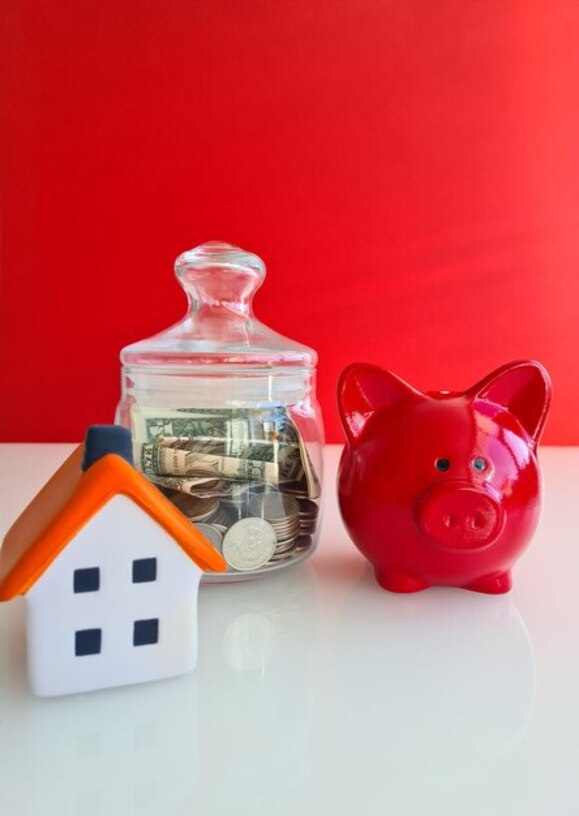
Securing your investment in housing is not just a desire, but a necessity in today's world. Through strategic saving, you can maximize the value of your property and ensure that every colón you allocate to your home works for you. In this article, you will discover how to implement effective saving tactics that will not only protect your investment but also allow you to enjoy the financial peace of mind you deserve. Get ready to transform your approach to housing and your personal finances!
The importance of saving prior to purchasing a home
Buying a home is one of the most significant financial decisions you will make in your life. Therefore, saving beforehand becomes a fundamental pillar that not only allows you to access better financing conditions but also gives you the opportunity to negotiate from a stronger position. By accumulating an initial capital, you can reduce the amount of the mortgage loan, which in turn decreases the interest to be paid in the long term. Additionally, having significant savings can open doors to higher quality and value properties, thus ensuring a more attractive return on your investment.
Another crucial aspect of prior saving is the creation of a financial cushion that supports you in the face of unforeseen events. Acquiring a home involves additional expenses beyond the mortgage, such as taxes, maintenance, and unexpected repairs. A savings fund specifically allocated for these costs can provide you with the necessary peace of mind to fully enjoy your new home without the constant pressure of financial obligations. Ultimately, establishing a solid savings plan is not only essential for facilitating the initial purchase but also lays the groundwork for healthy financial management in the future.
Advertisements
Effective strategies for creating an emergency fund
Creating an emergency fund is one of the most effective strategies to secure your investment in housing. This fund will provide you with the necessary peace of mind to face unforeseen events, such as urgent repairs or fluctuations in the real estate market. To get started, it is advisable to set a clear goal: determine how much money you need to save to cover at least three to six months of expenses related to your home. This amount can include mortgage payments, utilities, and maintenance. Once you have a figure in mind, break it down into achievable monthly goals and adjust your budget to allocate a portion of your income to this savings.
Another key strategy is to automate your savings. Set up automatic transfers from your checking account to a savings account dedicated to your emergency fund every time you receive your salary. This not only simplifies the saving process but also avoids the temptation to spend that money on other things. Additionally, consider regularly reviewing your expenses and looking for areas where you can cut costs; any extra amount you manage to save can be redirected to this fund. With discipline and a well-defined plan, you can quickly build a financial cushion that will not only protect your investment in housing but also provide you with greater security against any economic eventuality.
How to reduce unnecessary expenses to increase your saving capacity
Reducing unnecessary expenses is a fundamental step to increase your savings capacity and enhance your investment in housing. Start by conducting a thorough review of your monthly expenses: identify those that are not essential, such as unused subscriptions or impulse purchases. Establishing a clear budget will allow you to better visualize where your money is going and help you prioritize what is truly important. Also consider the option of renegotiating contracts, whether for basic services or insurance, as well as seeking more economical alternatives without sacrificing quality.
Another effective strategy is to adopt more conscious and sustainable consumption habits. Think of each purchase as an investment; ask yourself if you really need the product or service before acquiring it. Additionally, look for ways to implement homemade solutions for everyday needs, which can significantly reduce your expenses on household items. By maintaining a proactive approach to your finances and eliminating those unnecessary expenses, you will not only improve your saving capacity but also be building a more solid financial future for yourself and your home.
Smart investments: beyond traditional saving
Smart investments are a powerful alternative to traditional savings, especially in the context of housing. While conventional savings rely on accumulating money in bank accounts that typically offer low returns, investments allow you to grow your capital more effectively. By considering options like real estate investment funds, shares in construction companies, or even property rehabilitation projects, you can diversify your assets and potentially achieve a much higher return. This strategy not only protects your initial investment but also makes it work for you in the long term.
It is also important to remember that investing in financial education is a smart way to secure your economic future. Learning about the different types of assets and how they work can open doors to opportunities you hadn't considered before. Participating in courses, reading books, or following industry experts can provide you with the tools necessary to make informed and strategic decisions. By combining an educational approach with smart investments, you will be better prepared to maximize the value of your property and ensure its appreciation over time.
The 20% rule: why is it key when buying a house?
The 20% rule states that when buying a home, it is advisable to make a down payment equal to 20% of the total price of the property. This practice not only reduces the amount of the mortgage loan but also avoids the additional cost of private mortgage insurance (PMI), which can significantly increase your monthly expenses. By adhering to this rule, you strengthen your position as a buyer and provide yourself with greater financial flexibility. Essentially, paying 20% upfront can be the key to securing a more solid and less risky investment in the real estate market.
In addition to the immediate economic advantages, following the 20% rule also sends a positive message to lenders about your financial capacity and economic stability. A good down payment demonstrates commitment and responsibility in managing your personal finances, which can translate into better interest rates and more favorable terms for your mortgage. This not only saves money in the long run but also contributes to a more satisfactory overall experience when buying your home. Ultimately, adhering to this fundamental rule is a smart strategy to maximize the value of your investment and build solid wealth over time.
Digital tools to manage and monitor your savings
In the digital age, having the right tools to manage and monitor your savings is essential to secure your investment in housing. There are various applications and platforms that allow you to keep track of your finances efficiently. From personal budgeting apps to expense tracking tools, these digital solutions provide you with a clear view of how your income is distributed and in which areas you can cut costs. Additionally, some of them include features that remind you of your savings goals and help you establish a plan to achieve them, making the process easier and less stressful.
Similarly, digital tools can provide you with detailed analyses of your savings performance over time. For example, by using financial calculators and investment simulators, you can visualize how small additional contributions can significantly impact your ability to achieve long-term goals, such as purchasing or upgrading your home. Some platforms even offer information on current interest rates and investment options that could maximize the growth of your capital. Ultimately, integrating these technologies into your financial strategy will not only allow you to manage your money better but will also enhance the security and profitability of your investment in housing.
Practical tips for maintaining long-term saving discipline
Maintaining discipline in long-term saving requires a systematic approach and adaptability. An effective strategy is to set clear and achievable savings goals that motivate you to keep going. You can break your objectives into stages, whether saving for a down payment on a house or creating a specific emergency fund for property-related expenses. Regularly track your progress and celebrate small achievements; this will not only keep your motivation high but also remind you why you started this journey toward financial security.
It is also crucial to automate your savings to avoid falling into the temptation of spending what you should be reserving. Set up automatic transfers from your main account to a dedicated savings account every time you receive income. This way, the process becomes a habit, and you reduce the likelihood of deviating from your financial plan. Also, consider periodically reviewing your expenses and income to identify areas where you can cut back and redirect those funds towards your savings. With perseverance and a clear focus, you will be able to maintain the discipline necessary to secure your long-term housing investment.
Advertisements
More in Saving for Housing

Finance and Planning, Saving for Housing
Navigate the financial maze to acquire your desired home.

Finance and Planning, Saving for Housing
Build your financial confidence by acquiring your new home.

Finance and Planning, Saving for Housing
Financial strategies for achieving a secure home purchase

Finance and Planning, Saving for Housing
Approach the purchase of your home with confidence and financial planning.
Most viewed in Finance and Planning

Finance and Planning, Mortgage Loans
Keys to negotiate better terms on your mortgage

Finance and Planning, Financial Planning
Dollars or colones: where colón buyers face less competition

Finance and Planning, Housing Costs
Where US$200,000 buys a house in Alajuela

Finance and Planning, Insurance
How to choose a home insurance that fits your budget