
Navigate the home buying process with confidence and savings.
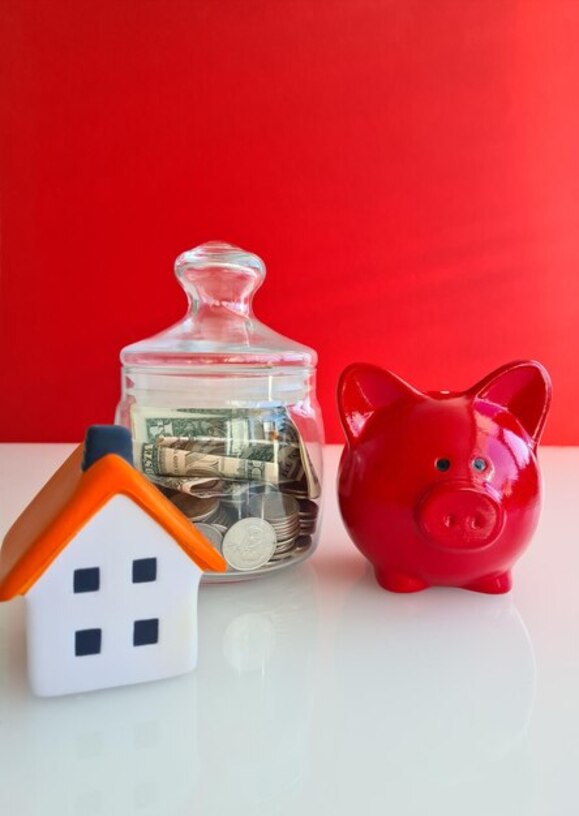
Navigating the home buying process can seem like an overwhelming challenge, but with the right strategy, you can do it confidently and save significantly along the way. In this article, you will discover how to plan your savings for your home and make informed decisions that bring you closer to that dream home without compromising your finances. Get ready to become a smart and empowered buyer, ready to tackle each stage of the process with clarity and confidence.
The importance of establishing a realistic budget
Establishing a realistic budget is the first fundamental step in the home buying process. Without a clear view of your finances, it’s easy to get carried away by properties that exceed your financial capabilities, which can result in stress and unhealthy financial decisions. When creating a budget, you should consider not only the price of the home but also other associated costs such as taxes, insurance, maintenance, and moving expenses. This planning will give you an accurate idea of how much you can afford to spend without jeopardizing your financial stability.
In addition, a well-structured budget provides you with the necessary confidence to negotiate and make informed decisions during the purchasing process. It helps you identify areas where you can adjust your spending to increase your savings capacity and reach that initial amount you need for the down payment. Remember that buying a home is not only an economic investment but also an emotional one; setting a clear limit will allow you to enjoy the process with greater peace of mind and avoid long-term regrets. At the end of the day, having a realistic budget translates into a more rewarding and less stressful experience on the path to your new home.
Advertisements
Effective strategies to save for your first house
Saving for your first home may seem like a daunting task, but with some effective strategies, you can turn this goal into an achievable reality. One of the first actions you can take is to establish a clear and realistic budget that allows you to identify how much money you can allocate monthly to your savings. Consider opening a specific savings account for the purchase of your home; this will not only help you keep your funds separate but will also motivate you to reach your goal. It is also advisable to review your current expenses and look for areas where you can cut back, such as unnecessary subscriptions or entertainment expenses, redirecting that money towards your home fund.
Additionally, consider taking advantage of automatic savings programs that can simplify the process. Set up automatic transfers from your checking account to your savings account each time you receive your salary; this way, you'll save without thinking too much about it. Also, research possible government incentives or local programs aimed at first-time homebuyers that may offer you financial assistance or preferential rates. Don't underestimate the importance of increasing your income if possible; additional jobs or selling unwanted items can provide a significant boost to your housing fund. With discipline and dedication, these steps will bring you closer to having the keys to your own home in hand.
How to improve your credit history before buying
To improve your credit history before buying a home, it is essential to start by knowing your current score. You can request a free credit report and review it carefully for errors or outdated information that may be negatively affecting your score. Make sure to correct any inaccuracies, as this can have a significant impact on the assessment made by lenders. Additionally, familiarize yourself with the factors that influence your score; keeping your credit card balances low and making timely payments are key actions to build a positive history.
Another crucial aspect is to establish a plan to reduce your existing debts. Lenders often consider the ratio between your income and your financial obligations when assessing your creditworthiness. Therefore, prioritizing the payment of smaller debts can give you a quick sense of achievement and free up some space on your credit. Also, avoid opening new lines of credit right before applying for a mortgage, as this could raise concerns about your financial stability. With patience and determination, you can strengthen your credit profile and increase your chances of obtaining favorable terms on the mortgage loan you need to acquire that long-awaited home.
Financing options: which is the best for you?
When considering the purchase of a home, it is crucial to evaluate the different financing options available to you. From traditional mortgages to government-backed loans, each option has its pros and cons. Fixed-rate mortgages typically offer stability in monthly payments, while variable rates can be appealing if you are looking for lower initial rates. Additionally, some state or federal programs may help you access preferential rates or subsidies, which can be a significant financial relief. Researching and comparing these alternatives will allow you to find the option that best fits your needs and financial capacity.
Don't forget to consider factors like your credit score and your ability to make a down payment. A good credit history can open doors to better interest rates, which means you can save significantly in the long run. It's also important to calculate how much you can afford without compromising your daily finances; this includes taking into account not only the monthly cost of the loan but also property taxes, insurance, and other expenses associated with the property. By making informed decisions about your financing, you will be closer to achieving that dream home without jeopardizing your economic stability.
Hidden costs in buying a home: what you need to know
When embarking on the purchase of a home, it is essential to be aware of the hidden costs that may arise throughout the process. These additional expenses, which are often overlooked, can significantly impact your total budget. For example, beyond the purchase price and the down payment, you will need to consider closing costs, which include legal fees, insurance, and other administrative charges. Additionally, it is important not to forget property taxes and maintenance fees if you choose to opt for a house within a development that has common areas. These costs can add up quickly and affect your long-term finances.
Another critical aspect is the expenses related to home maintenance and repairs. Buyers often underestimate how much they will need to spend to keep their new property in optimal condition. From minor repairs to major renovations, it is advisable to set up a contingency fund and ensure you have resources available when unexpected problems arise. Also consider the possibility of hiring professional services such as inspectors or appraisers before closing the deal; investing in these services can save you significant amounts in the future by avoiding unpleasant surprises after the purchase. Staying informed about these hidden costs will allow you to navigate the process more effectively and ensure that your investment is truly sustainable.
The difference between buying new or used: pros and cons
When considering the purchase of a home, one of the most common dilemmas is deciding between buying a new property or a used one. Buying a new property can offer significant advantages, such as the builder's warranty, modern finishes, and the possibility of customizing the space from the start. Additionally, new homes often require less maintenance in the short term, which can translate into additional savings for homeowners. However, this type of property generally comes with a higher price tag and may not fit everyone's budget. On the other hand, opting for a used home can be an excellent way to get more value for your money. Often, these properties are located in established neighborhoods with developed infrastructure and may feature unique architectural characteristics not found in modern constructions. However, it is essential to keep in mind that used homes may require repairs or renovations that can significantly increase the total acquisition cost. Ultimately, the choice between new and used should be based on your personal and financial needs, considering factors such as available budget, desired location, and willingness to make improvements to the chosen property.
Digital tools that facilitate the purchasing process
In the digital age, having tools that simplify the home buying process is essential for any buyer. Online platforms allow for quick and effective comparison of properties, prices, and features. Mobile applications specifically designed for this purpose offer advanced filters that make searching easier, ensuring you find options that align with your needs and budget. Additionally, many of these tools include reviews and ratings from other buyers, enabling you to make more informed decisions about the properties you are considering.
Another key aspect is the online mortgage calculators, which help you estimate the monthly costs of a mortgage based on different interest rates and terms. These tools not only allow you to visualize how the payment fits into your monthly budget, but also promote a deeper understanding of the long-term financial impact. By using these digital technologies, you can optimize your buying experience, reducing the associated stress and ensuring that each step is backed by concrete data and clear options.
Tips for negotiating the sale price effectively
Negotiating the sale price of a property can be an art, but with some strategic tips, you can achieve a deal that fits your budget. First, it is crucial to conduct thorough research on the real estate market in the area where you want to buy. Knowing the prices of similar homes will provide you with a solid reference point during negotiations. Additionally, if possible, visit several properties to get a better idea of the actual value of the property and its features. Do not hesitate to use this information to your advantage; presenting it to the seller can help justify your offer and demonstrate that you are well-informed.
Another fundamental aspect is to establish a clear limit for your negotiations before making an offer. This will help you stay focused and avoid impulsive decisions that could compromise your financial stability. Also consider including other elements in the negotiation besides the price, such as repairs or closing costs, which could significantly reduce your initial expenses. Always remember to maintain a respectful attitude and be open to dialogue; empathy can be key to reaching a satisfactory agreement for both parties. With these strategies in mind, you will be better prepared to negotiate confidently and secure the best possible deal on your new home.
Advertisements
More in Saving for Housing
Finance and Planning, Saving for Housing
How to secure your housing investment through strategic saving.
Finance and Planning, Saving for Housing
Navigate the financial maze to acquire your desired home.
Finance and Planning, Saving for Housing
Build your financial confidence by acquiring your new home.
Finance and Planning, Saving for Housing
Financial strategies for achieving a secure home purchase
Most viewed in Finance and Planning

Finance and Planning, Mortgage Loans
Keys to negotiate better terms on your mortgage

Finance and Planning, Financial Planning
Dollars or colones: where colón buyers face less competition

Finance and Planning, Housing Costs
Where US$200,000 buys a house in Alajuela

Finance and Planning, Insurance
How to choose a home insurance that fits your budget