
Practical guide for making financial decisions when buying a home
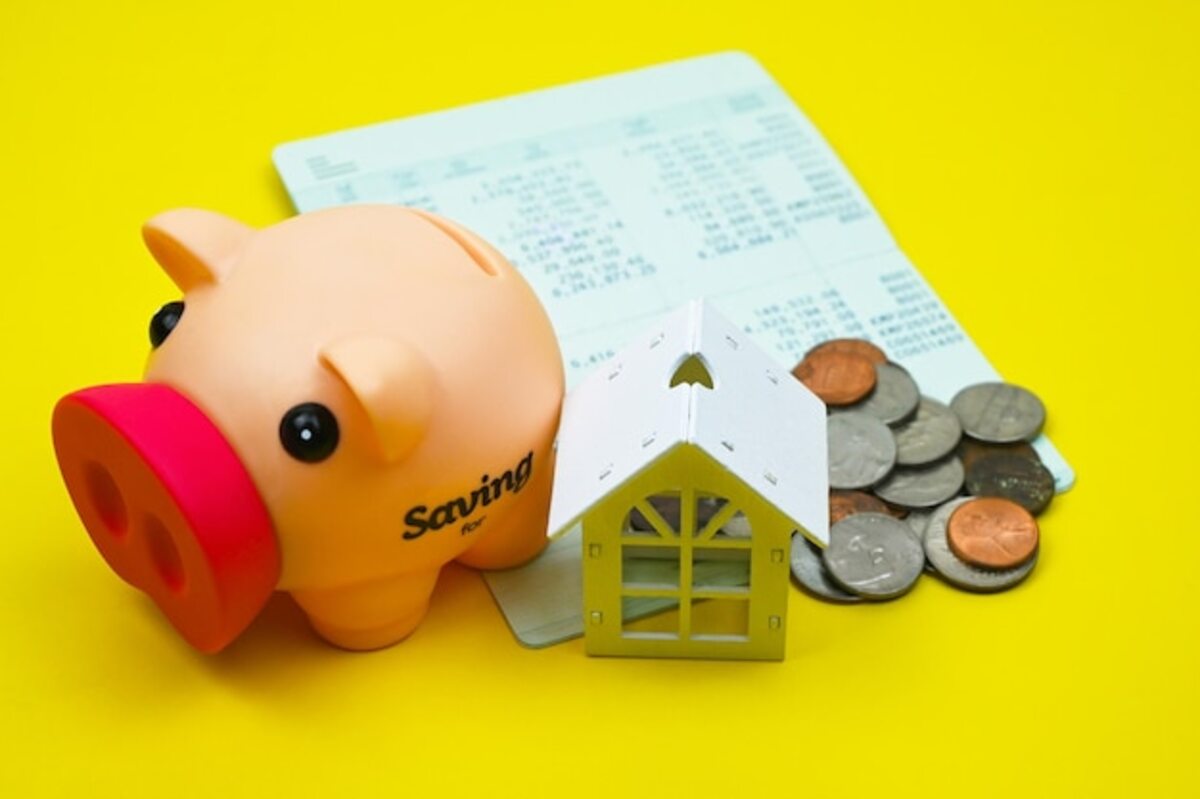
Are you ready to take the big step towards buying your home? In this practical guide, we will walk you through the crucial financial decisions you need to consider to make this dream a reality. From the initial savings to evaluating credits and hidden costs, every step is vital to ensure that your investment is smart and sustainable. Get ready to transform your finances and find the perfect house without compromising your economic stability.
The importance of prior savings: how much do you really need?
Buying a home is one of the most important financial decisions you will make in your life, and prior savings play a fundamental role in this process. Before you dive into the search for your ideal home, it is essential to determine how much you really need to save. This savings should not only cover the down payment but also other associated expenses, such as taxes, closing fees, and moving costs. Evaluating these aspects will give you a clear picture of the total required and help you avoid unpleasant surprises in the future.
Having a solid financial cushion can make the difference between enjoying the buying process and experiencing it as a burden. A good starting point is to set a budget that considers your current income and expenses, as well as your long-term goals. Remember that investing in your financial education is also part of saving; educate yourself about the available mortgage options and consider consulting with a financial advisor if necessary. This way, you can make more informed decisions that align with your actual economic situation before taking the step towards purchasing your dream home.
Advertisements
How to set a realistic budget for home buying
Establishing a realistic budget for purchasing a home is a fundamental step that can make the difference between a successful investment and a financial burden. Start by evaluating your monthly income and deducting all your fixed expenses, such as utilities, food, and transportation. This will give you a clear idea of how much money you can allocate to your mortgage without jeopardizing your financial situation. Additionally, consider including a margin for unforeseen expenses and additional savings, which will allow you greater flexibility in case of unexpected changes in your finances.
Once you have a clear idea of how much you can spend monthly, research the average housing prices in the areas that interest you. Make sure to consider not only the purchase price but also other associated costs, such as property taxes, insurance, and maintenance expenses. It is advisable to use financial tools or consult with an advisor to simulate different mortgage scenarios and ensure that the budget stays within the established limit. With these steps clearly defined, you will be better prepared to make informed decisions when it comes to buying your future home.
Credit evaluation: keys to obtaining the best interest rate
The evaluation of your credit is a fundamental step in the home buying process, as it directly influences the interest rate that financial institutions will offer you. A good credit history will not only allow you to access more attractive loans, but it could also provide you with the opportunity to negotiate more favorable terms. To improve your credit profile, make sure to pay your bills on time, keep your credit card balances low, and regularly check your credit report for errors that could affect it. The better your credit score, the more options you will have to choose from among different offers.
Additionally, it is essential to understand the different factors that determine interest rates. Financial institutions often evaluate aspects such as the loan amount, the term, and the debt-to-income ratio. Therefore, having a clear understanding of these elements and preparing adequately can make a difference when applying for a mortgage loan. Also, consider exploring different institutions and comparing their proposals; not all offer the same conditions. Remember that a slight variation in the rate can translate into significant savings over time, so do not hesitate to ask questions and seek advice if necessary to ensure an informed and beneficial decision for your financial future.
Hidden costs in home buying that you should consider
When buying a home, many people focus on the property's price and the mortgage amount, but it is crucial to consider the hidden costs that may arise during the process. These additional expenses are often not obvious at first and can significantly impact your budget. Among them are property taxes, insurance, and maintenance and repair costs. Additionally, you should consider closing fees, which range from legal fees to administrative expenses. Ignoring these costs can lead you to an uncomfortable financial situation.
Another important aspect to evaluate is the costs related to the move and any necessary modifications in the new home. For example, if you plan to make renovations or improvements before moving in, this could compromise part of the capital you had allocated for other purposes. Likewise, it is essential to consider a fund for unexpected expenses; there is always the possibility that unforeseen problems may arise after purchasing the house. In summary, being aware of these hidden costs will allow you to make more informed decisions and improve your ability to manage your finances in the long term as you become a homeowner.
Effective strategies to save faster for your home
To accelerate your saving process and get closer to buying your home more quickly, it is essential to establish a clear and realistic budget. Start by identifying your monthly income and expenses, ensuring that you allocate a significant portion of your income to the housing savings fund. An effective strategy is to create an "automatic payment" system that transfers a specific amount to your savings account as soon as you receive your salary. This way, you ensure that saving becomes a priority from the start, reducing the temptation to spend that money on other things.
In addition to the budget, consider implementing additional tactics that can help you increase your savings. For example, you can explore options such as reducing unnecessary expenses or looking for alternative sources of income, like freelance jobs or selling items you no longer need. It is also helpful to take advantage of promotions and discounts on everyday purchases; every little saving adds up when it comes to reaching an important financial goal. Remember that setting clear and measurable objectives will allow you to track your progress and stay motivated throughout the process.
Comparison between buying or renting: smart financial decisions
When evaluating whether it's better to buy or rent a home, it's essential to consider your long-term financial goals. Buying a house can be an excellent investment, as it allows you to build equity as the property's value increases over time. Additionally, mortgage payments can result in a more predictable expense in the long run compared to renting, where prices can fluctuate annually. However, purchasing a property also involves significant upfront costs such as the down payment and closing costs, as well as maintenance and repair responsibilities that do not arise when renting. On the other hand, renting offers flexibility and less immediate financial commitment. It is ideal for those who are still unsure about their job or personal stability, or for those who prefer to avoid the burdens of maintenance and repairs. Moreover, renting may allow you to invest that saved capital in other financial opportunities that could offer higher short-term returns. Ultimately, the decision between buying or renting should be based on a detailed analysis of your current financial situation and your future goals; each option has its advantages and disadvantages that must be carefully weighed before making a final decision.
Financing options: mortgages and accessible loans in Costa Rica
When considering the purchase of a home in Costa Rica, financing options become a fundamental aspect that can either facilitate or complicate your process. Mortgages are one of the most common alternatives, and in this country, there are various financial institutions that offer competitive rates and flexible conditions tailored to different buyer profiles. When choosing a mortgage, it is crucial to evaluate the down payment amount, the available terms, and whether the interest is fixed or variable. Additionally, do not forget to read the loan terms carefully to avoid unpleasant surprises in the future.
Another interesting option is accessible loans that special programs often offer for first-time buyers or those with limited income. These credits may include grants or preferential rates that facilitate home acquisition without overburdening your finances. It is advisable to research government or private initiatives that support new homeowners, as they could provide you with significant benefits. Always remember to compare different offers and consult with a financial advisor to find the financing option that best suits your needs and financial capabilities.
Practical tips for negotiating the price of your future home
Negotiating the price of a home can be an intimidating process, but with the right strategies, you can achieve a mutually beneficial agreement. First, research the real estate market in the area where you wish to buy. Knowing the prices of similar properties will give you a solid foundation to argue your proposal and demonstrate that you are informed. Do not underestimate the power of a good presentation; showing genuine interest in the house and establishing a connection with the seller can positively influence their decision when it comes to negotiating.
Another key piece of advice is to be prepared to ask questions about the property and any potential defects or repair needs. This will not only help you better understand what you are purchasing, but it will also provide you with a valid argument to request a price reduction. Additionally, consider having a clear limit in mind before starting negotiations and stick to your budget. Patience is essential; if you do not reach a satisfactory agreement, do not hesitate to explore other options. At the end of the day, it's about finding a home that meets your expectations without jeopardizing your financial well-being.
Advertisements
More in Saving for Housing

Finance and Planning, Saving for Housing
How to secure your housing investment through strategic saving.

Finance and Planning, Saving for Housing
Navigate the financial maze to acquire your desired home.

Finance and Planning, Saving for Housing
Build your financial confidence by acquiring your new home.

Finance and Planning, Saving for Housing
Financial strategies for achieving a secure home purchase
Most viewed in Finance and Planning

Finance and Planning, Mortgage Loans
Keys to negotiate better terms on your mortgage

Finance and Planning, Financial Planning
Dollars or colones: where colón buyers face less competition

Finance and Planning, Housing Costs
Where US$200,000 buys a house in Alajuela

Finance and Planning, Insurance
How to choose a home insurance that fits your budget