
Strategies for building financial security when buying your home
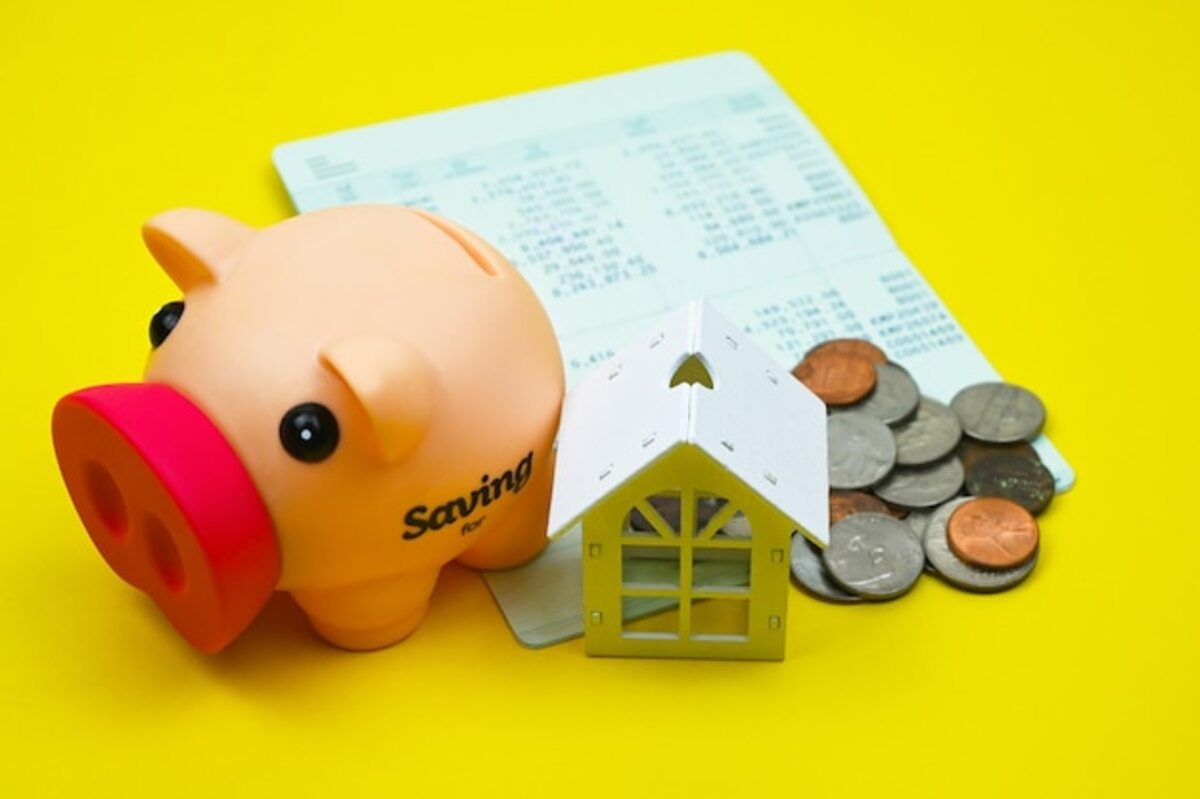
Building financial security when buying your home is one of the most crucial decisions you can make. In this article, I will provide you with practical and effective strategies to maximize your savings and minimize risks in the home acquisition process. You will learn how to plan your finances wisely, avoiding unpleasant surprises on the way to your dream home. Get ready to transform your approach and become an informed and confident buyer.
The importance of prior savings: how much do you really need?
The importance of prior savings is fundamental when considering the purchase of a home. Before embarking on this process, it is crucial to determine how much you really need to save. This not only involves the amount of the down payment that is generally required, but also other associated costs, such as closing costs, taxes, and possible repairs. A detailed analysis of your financial situation will allow you to set a clear and realistic goal, thus avoiding unpleasant surprises that could compromise your long-term financial security.
Moreover, having solid savings not only gives you greater confidence when negotiating favorable terms with sellers or financial institutions, but it also acts as a cushion against unforeseen events. By having enough capital set aside, you can face emergencies without affecting your daily finances. Therefore, investing time in calculating and accumulating these prior savings is an essential strategy to ensure that your dream of homeownership becomes a positive and sustainable experience.
Advertisements
Assessment of your current financial situation: initial steps
Evaluating your current financial situation is an essential step before embarking on the purchase of a home. To begin, it is crucial that you conduct a complete inventory of your monthly income and expenses. This includes not only your salary but also any additional income you may have, such as bonuses or freelance work. Also, record all your fixed and variable expenses, from your current rent to utilities and any debts you may be paying. Having a clear view of your finances will allow you to determine how much you can allocate monthly to a mortgage without compromising your economic stability.
Once you have a clear picture of your income and expenses, it's time to analyze your credit score. This number plays a crucial role in obtaining financing for your home, as it directly influences the interest rates that will be offered to you. If you find areas where you can improve your credit, such as paying off outstanding debts or reducing your use of available credit, consider implementing these strategies before starting the buying process. Additionally, set a realistic budget for the home purchase and make sure to include not only the cost of the property itself but also other associated expenses like taxes, insurance, and long-term maintenance costs. With these initial steps clearly defined, you will be better prepared to take the next big step toward financial security by acquiring your home.
Establishing a realistic budget for buying a home
Establishing a realistic budget is one of the first fundamental steps in the home buying process. Before you start looking for properties, it is crucial to assess your current finances, including income, monthly expenses, and any outstanding debt. Gather all the necessary information to have a clear view of your economic situation. Consider not only the price of the home but also other associated costs such as taxes, insurance, maintenance, and association fees if applicable. This will allow you to set a budget that is sustainable and in line with your financial capabilities without compromising your stability.
Once you have determined your initial budget, it is advisable to establish a margin for unforeseen expenses. Life is full of surprises, and in financial matters, this can include unexpected costs related to home buying or changes in your personal circumstances. By allocating an additional percentage to your total budget to cover these unforeseen expenses, you ensure greater financial security during the buying process. This planning will not only help you avoid future economic stress but also provide you with peace of mind knowing that you are prepared to face any challenges that may arise on the path to becoming a homeowner.
Financing options: mortgages and mortgage loans
When considering the purchase of a home, understanding the financing options available is essential to ensure a successful and sustainable transaction. Mortgages are one of the most common methods for financing the purchase of a home, and they typically offer lower interest rates compared to other types of loans. When opting for a mortgage, it is crucial to evaluate different lenders and mortgage products, as each may have specific terms that better suit your financial situation. Analyzing factors such as the loan term, interest rate (fixed or variable), and associated costs can make the difference between a successful investment and a long-term financial burden.
On the other hand, mortgage loans also represent a viable option for many buyers. These loans can be used not only to acquire properties but also to make improvements to them or even refinance existing mortgages. It is crucial to research government programs or local incentives that may facilitate access to these loans, especially if you are a first-time buyer. Additionally, maintaining a good credit history and saving for a down payment can open doors to better financial terms. By making informed decisions about these financing alternatives, you can build financial security while embarking on the exciting adventure of buying your home.
Strategies to increase your monthly savings capacity
To increase your monthly savings capacity, it is essential to establish a clear and realistic budget that helps you identify your income and expenses. Start by recording all your expenses, from fixed ones like rent or bills to variable ones like entertainment and occasional purchases. Once you have a complete view of your financial situation, you will be able to identify areas where you can cut costs. Consider eliminating or reducing non-essential expenses and allocating those funds to savings for your future home. Remember that every small adjustment counts and adds up to your final goal.
Another effective strategy is to automate your savings. Set up automatic transfers from your checking account to a specific savings account for your home purchase right after you receive your salary. This way, you'll save without having to think twice about it, and you'll avoid the temptation to spend that money on other things. Additionally, set clear goals for how much you want to save each month and periodically review your progress; this will not only keep you motivated but also allow you to make adjustments if necessary to meet your financial goals.
Hidden costs when buying a house: what you should consider
When buying a house, it is essential to consider not only the price of the property but also the hidden costs that may arise during the process and after the purchase. These costs can include expenses such as transfer taxes, closing fees, insurance, and long-term maintenance. Many first-time buyers underestimate these additional expenses, which can lead to unexpected financial problems. Therefore, it is crucial to create a detailed budget that accounts not only for the initial cost of the home but also for a realistic estimation of all these associated expenses.
Additionally, you must consider the costs related to repairs and home improvements. When purchasing a property, especially if it is older, unforeseen issues may arise that require immediate or planned attention. From minor fixes to significant renovations, these aspects should be an integral part of your financial planning. Conducting a thorough analysis when evaluating properties will allow you to anticipate these eventualities and ensure you have a reserve fund to cover those needs. Remember that the key to building financial security when buying your home lies in being well-informed and prepared to face any economic challenges that may arise on the path to your new residence.
How to choose the right location without compromising your finances
Choosing the right location for your home is one of the most important decisions that will influence not only your quality of life but also your long-term finances. When selecting a neighborhood, consider factors such as proximity to your workplace, schools, services, and public transportation. Researching the future development of the area can help you anticipate whether property prices will rise or fall. Opting for a growing location can be a smart strategy to maintain or increase the value of your investment without having to commit to an excessive budget.
Additionally, it is essential to evaluate the cost of maintenance and the taxes associated with property in different areas. Some locations may seem attractive due to low initial prices, but they could prove costly due to high taxes or frequent renovation needs. Carefully analyze your monthly expenses and ensure that the new location not only aligns with your dreams but is also financially sustainable. Taking the necessary time to study the local real estate market will allow you to make an informed choice that respects both your desires and your financial limitations.
Stay flexible: adapting your plans to unforeseen financial changes.
Staying flexible when buying your home is essential to adapt to unforeseen financial changes that may arise along the way. Life is full of surprises, and you may face unexpected situations like medical expenses, job changes, or fluctuations in the real estate market. Therefore, it is crucial to have an adaptable financial plan that allows you to adjust your expectations and decisions without compromising your economic security. Consider establishing a specific emergency fund for home buying, which will provide you with a financial cushion if things don't go as you expected. Moreover, being flexible also means being open to reevaluating your options and priorities. Perhaps the home of your dreams is not as affordable as you thought, or you may need to consider different locations or types of properties. Keeping an open mindset can help you discover opportunities better aligned with your current resources. Remember that buying a home is a dynamic process, and adapting to changing circumstances can be the key to achieving a successful and sustainable acquisition over time. Flexibility will not only help you navigate financial challenges but will also enable you to make more informed and confident decisions at every step of the way toward your new home.
Advertisements
More in Saving for Housing

Finance and Planning, Saving for Housing
How to secure your housing investment through strategic saving.

Finance and Planning, Saving for Housing
Navigate the financial maze to acquire your desired home.

Finance and Planning, Saving for Housing
Build your financial confidence by acquiring your new home.

Finance and Planning, Saving for Housing
Financial strategies for achieving a secure home purchase
Most viewed in Finance and Planning

Finance and Planning, Mortgage Loans
Keys to negotiate better terms on your mortgage

Finance and Planning, Financial Planning
Dollars or colones: where colón buyers face less competition

Finance and Planning, Housing Costs
Where US$200,000 buys a house in Alajuela

Finance and Planning, Insurance
How to choose a home insurance that fits your budget