
Tips for making confident decisions when buying your home
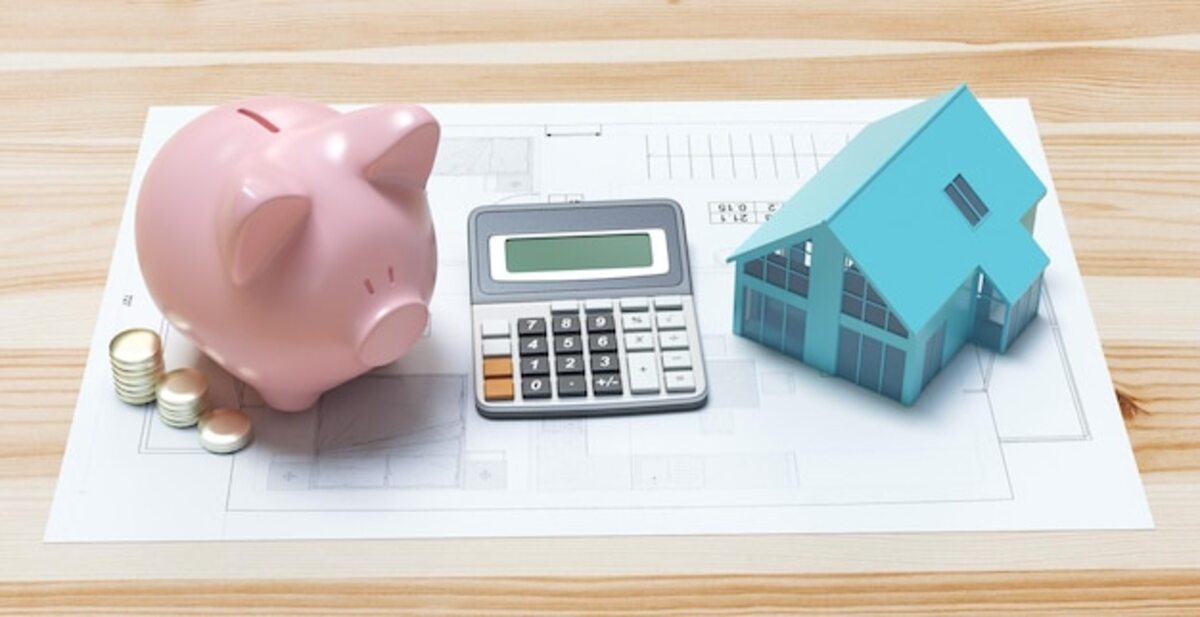
Are you ready to take the step towards buying your home? Making secure decisions in this process can be overwhelming, but with the right advice and necessary support, you can navigate the path with confidence. In this article, you will discover effective strategies that will help you maximize your resources and take advantage of support programs available in Costa Rica. Preparing financially is key to securing your investment and creating the home you have always dreamed of. Let's get started!
Understanding the importance of a solid budget
Understanding the importance of a solid budget is the first crucial step in the home buying process. A well-structured budget not only provides you with a clear view of your finances, but it also helps you set realistic limits on what you can afford to spend. This includes considering not only the price of the property but also other associated costs such as taxes, insurance, maintenance, and unexpected expenses. By having a complete picture of your financial resources, you will be able to make more informed decisions and avoid common pitfalls that can lead to long-term financial complications.
Additionally, a solid budget will allow you to prioritize your needs and wants when searching for your new home. For example, by clearly defining how much you can invest without compromising your financial stability, you will be able to focus on properties that truly align with your expectations and requirements. This not only facilitates the search for the ideal home but also reduces the stress associated with impulsive decision-making. Remember that every colón counts: being aware of your expenses and savings can make the difference between a satisfying purchase and an experience filled with regrets.
Advertisements
Financing options: Which one is best for you?
When considering the purchase of a home, one of the most important decisions you will face is how to finance your investment. There are various options available, from traditional mortgages to government financing programs that may offer lower interest rates and favorable terms. Analyze each option carefully: do you prefer a fixed-rate loan that provides stability in monthly payments or a variable-rate loan that may adjust over time? Also, consider aspects such as the loan term and whether you have enough savings to cover the down payment. A financial advisor can be very helpful in this process, providing you with a clear perspective on which alternative best suits your needs.
In addition to conventional mortgage loans, you can also explore alternatives such as credit unions or direct financing with developers. These options often have more flexible requirements and can make it easier to obtain the necessary capital to purchase your home. Don't forget to research subsidies and specific programs in Costa Rica that promote home buying for first-time buyers, as they could significantly alleviate the initial financial burden. Evaluating all these possibilities will allow you to make an informed and secure decision, ensuring that your dream of homeownership is not only attainable but also sustainable in the long term.
Government support programs: Your ally in home buying
Government support programs are an invaluable tool for those seeking to acquire their homes. In many countries, including Costa Rica, there are initiatives designed to facilitate access to property through subsidies, loans with preferential rates, and financial advice. These programs not only help reduce the initial cost of purchase but also provide guidance on the process, enabling future homeowners to make informed and secure decisions. Researching what options are available can make the difference between a successful purchase and a frustrating endeavor.
In addition to direct subsidies, some governments offer tax incentives and specific benefits for priority groups such as young buyers or low-income families. Taking advantage of these opportunities can mean accessing more favorable conditions on your mortgage and even reducing the total amount paid in interest. It is essential to stay informed about the calls and requirements necessary to benefit from these programs, as they may vary by region and current policies. By considering these resources as part of your financial plan, you can move toward buying your home with greater confidence and security.
How to assess your creditworthiness before buying
Evaluating your creditworthiness is a fundamental step before embarking on the purchase of your home. To do this, it is important to conduct a thorough analysis of your personal finances. Start by reviewing your monthly income and expenses, as well as any existing debt. A well-structured budget will allow you to have clarity on how much you can allocate to the mortgage without compromising your financial stability. Additionally, make sure to know your credit score, as this indicator directly influences the terms of the loan you will be able to obtain.
Once you have completed this initial assessment, consider consulting with a financial advisor or a lending institution for more specific information about the available products and their requirements. They will be able to provide you with a clear insight into the maximum amount you could finance and the applicable interest rates based on your credit profile. Don't forget that there are also government programs aimed at facilitating access to housing for different segments of the population; being informed about these options can open new doors for you in the process of acquiring your home.
The importance of researching the local real estate market
Researching the local real estate market is a crucial step that should not be overlooked when buying a home. Each area has its own characteristics, price trends, and supply and demand dynamics that can significantly influence your decision. By understanding the market context in which you wish to purchase your home, you can identify opportunities and avoid unpleasant surprises. Taking the time to analyze aspects such as the historical appreciation of properties, available infrastructure, and urban development plans can help you make a more informed and confident choice.
Additionally, knowing the local real estate market will allow you to compare different options and assess which one best fits your needs and budget. It's not just about finding the right property, but also understanding if you are paying a fair price for it. Price differences between neighborhoods or areas can be significant, so it's essential to conduct a thorough analysis. Furthermore, talking to local real estate agents or consulting online resources will provide you with valuable information about market expectations and factors that could influence your long-term investment. With this information in hand, you'll be better prepared to make informed decisions that protect your investment and bring you closer to that dream home.
Legal advice: Why you shouldn't overlook it?
Legal advice is a crucial element that you should not overlook when buying your home. This process involves a series of complex documents and contracts, where any mistake can cost you time and money. Having a lawyer specialized in real estate will provide you with the necessary peace of mind to ensure that all legal aspects are in order. From reviewing the purchase agreement to verifying that the property is free of liens, their knowledge will help you avoid unpleasant surprises in the future. Furthermore, a professional will be able to guide you in complying with local and national regulations, which is essential for a secure transaction.
Another aspect to consider is the protection of your rights as a buyer. Legal advice not only focuses on the documents but also on ensuring that your interests are safeguarded throughout the process. An experienced lawyer can negotiate clauses that benefit your purchase conditions and offer you guidance on how to proceed if disputes arise with the seller or if you encounter unexpected issues after acquiring the property. Investing in legal advice is a wise decision that will allow you to make informed choices and protect your long-term investment, thus giving you the confidence to fully enjoy your new home.
Strategies to negotiate the price of your new home
Negotiating the price of your new home may seem like an intimidating task, but with the right strategies, you can become an effective negotiator. First, it is essential to conduct thorough research on the real estate market in the area where you want to buy. Knowing the prices of similar properties will give you a solid foundation to argue your offer. Additionally, consider aspects such as how long the property has been on the market and whether there have been previous price reductions; this can give you clues about the seller's willingness to negotiate. It is always beneficial to have concrete information to support your proposals.
Another key aspect of negotiation is establishing a cordial relationship with the seller or their agent. Open and honest communication can facilitate an environment conducive to reaching a mutually beneficial agreement. Listening to their needs and concerns will also help you find points of agreement that may be essential during price discussions. Do not hesitate to ask questions and express your expectations; effective negotiation is based on transparency and mutual respect. Remember that you are not only buying a property but also creating a home, so always seek what best fits your needs and budget while maintaining empathy in the process.
Inspections and appraisals: Ensure a smart purchase
Inspections and appraisals are fundamental steps in the home buying process, as they allow you to make informed decisions and avoid unpleasant surprises. Before finalizing the purchase, it is essential to conduct a thorough inspection of the property to identify potential structural, electrical, or plumbing issues. A professional inspector can detect problems that are not obvious at first glance and that could represent significant costs in the future. Investing in a good inspection not only provides you with peace of mind but also prepares you to negotiate better on the price with the seller.
On the other hand, the appraisal is another crucial aspect that you should not overlook. This process evaluates the actual value of the property and ensures that you are not overpaying for your future home. With a reliable appraisal report, you will have a solid foundation for your negotiations and will be able to justify your offer to the seller. Additionally, many financial institutions require an appraisal before approving a mortgage loan, so make sure to consider these aspects as an integral part of your strategy when buying a home. In this way, you will be taking firm steps toward a smart and secure purchase.
Maintaining a long-term focus on your real estate investment
Maintaining a long-term focus on your real estate investment is crucial to maximizing the value of your purchase and ensuring that your home is a source of wellbeing. When considering the purchase of a property, it is important not only to evaluate the initial cost but also to analyze how it will appreciate over time. This involves researching the location, market trends, and economic projections, as these factors will influence the revaluation of your investment. A well-located home can offer significant benefits over the years, becoming a valuable asset for you and your family.
Additionally, adopting a long-term mindset will help you resist the temptation to make impulsive decisions based on temporary market fluctuations. By focusing on your long-term personal and financial goals, you will be better able to plan for eventualities such as necessary improvements or renovations that increase the value of your property. Remember that each home has its own life cycle; investing in regular maintenance and sustainable improvements not only preserves its current state but also contributes to its future appreciation. Ultimately, cultivating this perspective will allow you to fully enjoy your home while building a legacy for future generations.
Advertisements
More in Support Programs

Finance and Planning, Support Programs
Keys to access support programs and improve your economy

Finance and Planning, Support Programs
Boost your economy with community financial support initiatives.

Finance and Planning, Support Programs
Secure your real estate investment with expert and local advice.

Finance and Planning, Support Programs
Tips for choosing secure financing for your new home
Most viewed in Finance and Planning

Finance and Planning, Mortgage Loans
Keys to negotiate better terms on your mortgage

Finance and Planning, Financial Planning
Dollars or colones: where colón buyers face less competition

Finance and Planning, Insurance
How to choose a home insurance that fits your budget

Finance and Planning, Taxes and Expenses
Transform your monthly expenses into saving opportunities.