
Guide to avoiding common mistakes when financing your new home
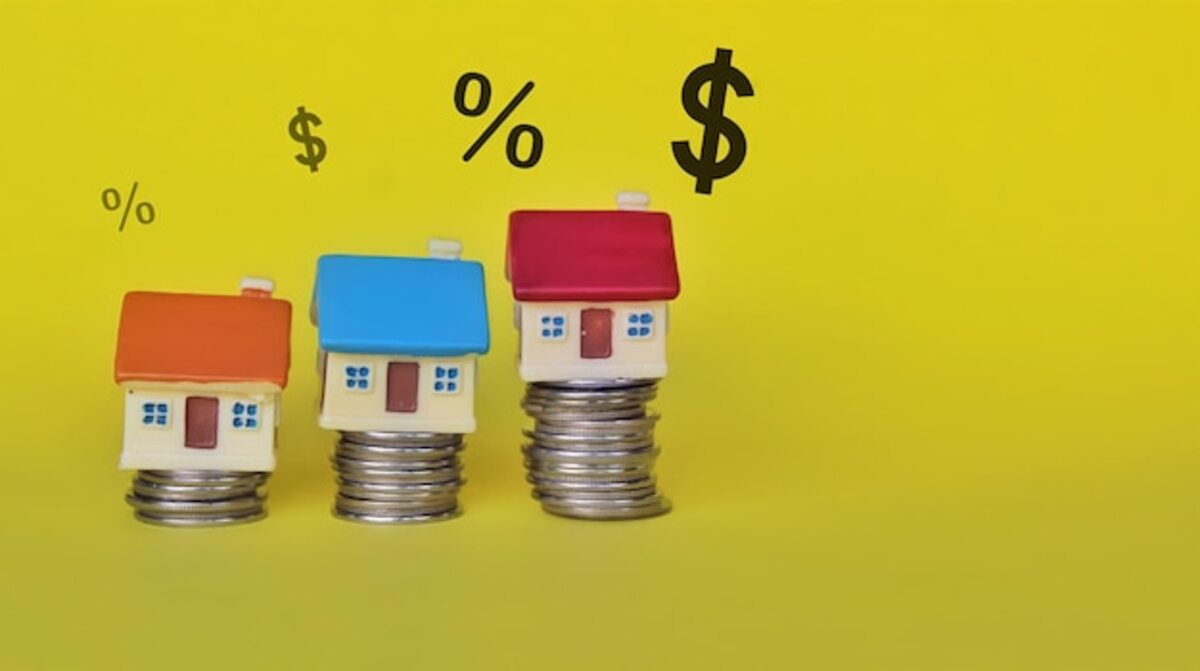
Are you ready to take the big step of financing your new home in Costa Rica? Before you dive into this exciting journey, it's crucial to avoid common mistakes that can cost you time and money. In this guide, you'll discover how to manage the taxes and expenses associated with purchasing a property, ensuring that you make informed and strategic decisions. Don't let unpleasant surprises ruin your dream; join me in breaking down what you need to know to navigate the financial process smoothly.
Understanding the hidden costs when buying a home
When purchasing a home, it is essential to keep in mind that the purchase price is not the only expense you will face. Hidden costs can surprise inexperienced buyers and destabilize their budget. Among these expenses are transfer taxes, notary fees, as well as costs related to property inspection and appraisal. Ignoring these aspects can lead you to exceed your financial capacity, so it is crucial to conduct a thorough analysis of all potential associated expenses before closing the deal.
Additionally, there are other factors that can influence the total cost of the property in the long term. For example, the monthly maintenance fees if you are buying in a condominium or development, as well as the necessary insurance to protect your new home. It is also important to consider the costs of utilities and any repairs or renovations that may be needed after the purchase. By having a clear and complete view of these hidden expenses, you will be able to better plan your investment and avoid unpleasant surprises in the future.
Advertisements
The importance of a good property evaluation
A good property evaluation is essential for making informed decisions when financing your new home. This process involves not only determining the market value of the property but also identifying potential structural or legal issues that could affect your long-term investment. Having a detailed report on the condition of the property will give you a clear understanding of what you are buying and help you avoid unpleasant surprises after closing the transaction. Remember that an attractive price may hide significant defects that, if not addressed, can lead to additional costs in repairs or even in litigation.
In addition, a proper evaluation will help you negotiate better purchasing conditions. If the analysis reveals aspects that require attention, you can use this information as leverage to request discounts or improvements from the seller. This not only ensures that you get a better deal, but also gives you the peace of mind of knowing that you are investing in a property with a promising future. In summary, dedicating time and resources to a good evaluation of the property is a key strategy to ensure that your dream of financing a home becomes a satisfying and trouble-free experience.
Taxes associated with home purchase: what you need to know
When purchasing a home, it is essential to consider the associated taxes that can influence your total budget. One of the main taxes to take into account is the Real Estate Transfer Tax (ITBI), which is applied to the property's value and is paid at the time of transfer. This tax is usually a percentage of the property's value and can vary depending on the locality. Knowing this cost from the outset will help you avoid financial surprises during the purchasing process, allowing you to better plan your expenses.
In addition to the ITBI, it is important to be aware of other recurring taxes such as the Property Tax, which you will need to pay annually once you are a homeowner. There are also additional costs related to utilities and maintenance, which can be unexpected if not considered in advance. Educating yourself about these tax obligations and budgeting accordingly will allow you to manage your finances better and enjoy your new home in Costa Rica without worries.
How to calculate the total budget for your new house
Calculating the total budget for your new home is a fundamental step in the financing process. To begin, you should consider not only the purchase price of the property but also other associated expenses that are often overlooked. These can include transfer taxes, legal fees, appraisal costs, and insurance. A good practice is to create a detailed list of all these potential expenses and add their amounts to the base price of the home. This way, you will have a clear view of the total you will need to close the transaction without unpleasant surprises.
It is also advisable to set aside an additional margin in your budget for unforeseen circumstances or necessary repairs once you move into your new home. Often, buyers underestimate the maintenance and improvement costs that may arise after acquiring the property. By including an additional percentage—such as between 5% and 10% of the total cost—you can ensure a financial cushion that will allow you to handle any eventuality without compromising your long-term economic situation. Remember that properly planning your budget will give you greater security and peace of mind throughout the purchasing process.
Strategies for negotiating additional expenses with the seller
Negotiating additional expenses with the seller can be a crucial step in the financing process of your new home. Often, these hidden costs can add a significant amount to the total purchase, so it is essential to be prepared to discuss and negotiate. Before starting the conversation, research the typical expenses associated with the property and make sure you are clear on the areas where you could argue for a reduction. For example, if you find that certain repairs are necessary or that there are unforeseen costs, use this information as leverage to request the seller to cover some of those expenses or adjust the final price.
Additionally, it is important to approach the negotiation with a collaborative mindset rather than a confrontational one. Establishing a good relationship with the seller can facilitate dialogue and open opportunities to reach an agreement that benefits both parties. Do not hesitate to express your concerns regarding additional costs and ask them directly if they are willing to cover some of them or to offer incentives, such as including furniture or making necessary repairs before the purchase. Always maintain a positive and flexible attitude; remember that every small saving counts and can make a difference in your final budget.
Consequences of not considering future maintenance
Failing to consider the future maintenance of your new home can lead to a series of consequences that will impact both your budget and your quality of life. Ignoring the importance of this aspect can result in unpleasant surprises, such as unexpected repairs and hidden costs that arise over time. For example, if you do not properly assess the condition of the electrical system or plumbing at the time of purchase, you may find yourself urgently needing to make significant investments shortly after moving in, which could have been warned against with prior analysis. This will not only affect your finances but also your peace of mind and enjoyment of the new home.
Additionally, neglecting preventive maintenance can significantly decrease the resale value of your property. Houses that show a lack of care in their maintenance tend to be less attractive to future buyers and may require substantial discounts on their price to sell quickly. Therefore, it is essential to establish a financial plan that considers not only mortgage payments and other immediate expenses but also the necessary investments to maintain the integrity and functionality of the home in the long term. By doing so, you will be ensuring not only a place to live comfortably but also a solid investment for the future.
Useful resources and financial tools for home buyers
When financing your new home, it is essential to have useful resources and financial tools that help you make informed decisions. One of the first tools you should consider is the mortgage calculators available online. These calculators allow you to estimate your monthly payments, as well as understand the impact of different interest rates and payment terms on your budget. Additionally, many financial institutions offer simulators that provide you with a clearer view of the total cost of the mortgage, allowing you to compare offers and choose the one that best fits your needs.
Another invaluable resource is government programs and nonprofit organizations that offer advice for homebuyers. These programs can provide you with guidance on financing, grants, or tax incentives available to facilitate the purchase of your home. Likewise, do not underestimate the power of mobile applications designed to manage your personal finances; some can even help you set a specific budget for your real estate purchase and monitor your expenses throughout the process. By using these tools effectively, you can avoid costly mistakes and ensure a smoother experience when acquiring your new home in Costa Rica.
Advertisements
More in Taxes and Expenses

Finance and Planning, Taxes and Expenses
Transform your monthly expenses into saving opportunities.

Finance and Planning, Taxes and Expenses
Tips to secure your real estate investment during the buying process

Finance and Planning, Taxes and Expenses
Keys to financing your new home without complications
Finance and Planning, Taxes and Expenses
Guide to Financial Decision-Making When Buying Your Ideal Home
Most viewed in Finance and Planning

Finance and Planning, Mortgage Loans
Keys to negotiate better terms on your mortgage

Finance and Planning, Financial Planning
Dollars or colones: where colón buyers face less competition

Finance and Planning, Housing Costs
Where US$200,000 buys a house in Alajuela

Finance and Planning, Insurance
How to choose a home insurance that fits your budget