
Guide to Understanding Investment in Your Ideal Home in Costa Rica
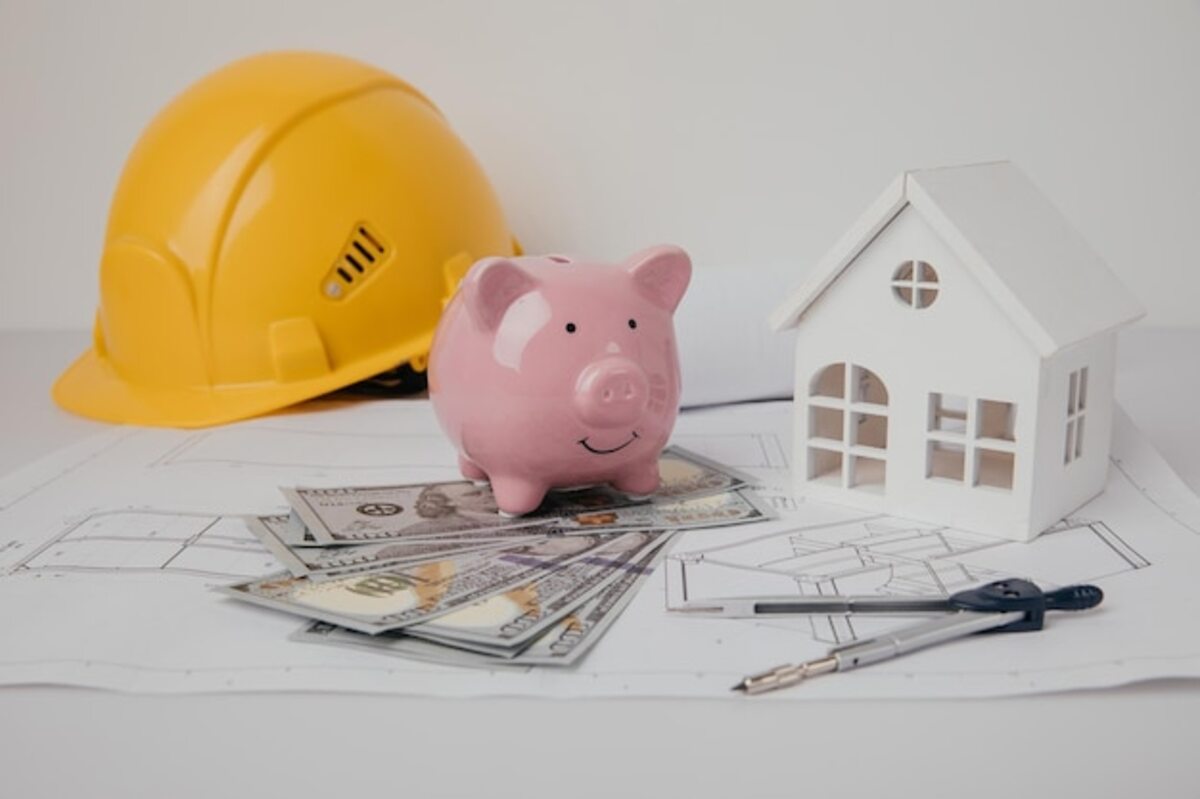
Are you ready to take the big step towards acquiring your ideal home in Costa Rica? Investing in real estate is not just about finding the perfect house, but also about understanding the taxes and expenses involved that can affect your budget. This guide will provide you with the necessary tools to navigate this process, ensuring that your investment is smart and sustainable. With a clear focus on the financial aspects, we will help you make informed decisions so that your Costa Rican dream becomes a reality.
The taxes to consider when buying a property in Costa Rica.
When buying a property in Costa Rica, it is essential to consider several taxes that can influence your investment. One of the most relevant is the Property Transfer Tax, which is applied to the value of the property and is paid at the time of the transfer. This tax is usually 1.5% of the agreed selling price and it is crucial to include it in your budget to avoid unpleasant surprises. Additionally, if you decide to finance the purchase through a mortgage loan, you should also consider the expenses associated with the deed and registration of the property, which usually add an additional percentage.
Another tax to consider is the Property Tax (IBI), which is paid annually and calculated based on the cadastral value of the property. This tax can vary depending on the location and characteristics of the property, so it is advisable to inquire about the specific rates in the desired area. Additionally, some municipalities charge extra fees for public services or urban maintenance, which should also be taken into account in the total expenses when acquiring a home. Understanding these taxes will allow you to make appropriate financial planning and fully enjoy your new home without unexpected economic worries.
Advertisements
Hidden costs: what no one tells you about buying a home
When purchasing a home, it is essential to be aware that expenses are not limited solely to the purchase price. Hidden costs can arise at various stages of the process and can significantly impact your budget. Among these expenses, we find transfer taxes, notary fees, and real estate agent commissions that are often not considered when assessing the total cost of the property. Additionally, it is important to remember that each property will also have its own recurring expenses such as maintenance, utilities, and association fees if you belong to a condominium. These aspects are crucial to avoid unpleasant surprises in the future.
Another aspect to consider is the inspections and repairs that may arise after the purchase. Often, buyers underestimate the need for a professional inspection before closing the deal, which could reveal costly structural or electrical issues that would need to be addressed in the short term. It is also advisable to have a fund set aside for any eventualities related to the home; this includes anything from minor repairs to more significant emergencies. At the end of the day, being aware of these hidden costs will allow you to make more informed decisions and ensure a more enjoyable and stress-free experience on your way to your ideal home in Costa Rica.
Maintenance costs: how to budget for the future
When considering the investment in your ideal home in Costa Rica, it is crucial to have a clear understanding of the maintenance costs that will arise over time. These expenses include not only the regular upkeep of the property, such as necessary repairs and improvements, but also utilities and management fees if you decide to live in a condominium or a gated community. To budget appropriately, it is advisable to establish a reserve fund that covers between 1% and 3% of the total value of the home each year. This way, you will be prepared for any unforeseen circumstances without affecting your personal finances.
Also, do not forget to include in your financial planning the costs associated with garden care and outdoor areas, especially if you live in a tropical climate where vegetation grows quickly. Consider the possibility of hiring professional services for specific tasks such as deep cleaning or pest treatments. By creating a comprehensive budget that takes these aspects into account, you will be able to better manage your economic resources in the long term and enjoy your home more fully without unpleasant surprises. With proper planning, your investment will become not only a place to live but also a solid asset.
Income tax on rented properties: what you need to know
The income tax on rented properties is a crucial aspect that every investor must consider when acquiring a home in Costa Rica. When you decide to rent a property, the income generated is subject to taxes, which can significantly influence your net earnings. It is essential to understand how this tax is calculated and what deductions may apply, such as maintenance expenses and management fees. Familiarizing yourself with these regulations will not only help you meet your tax obligations but also allow you to optimize your returns as a property owner.
Additionally, proper management of income tax can offer opportunities to maximize your investment. For example, you might consider using legal structures such as corporations to better manage taxation and protect your assets. It is also advisable to maintain a detailed record of all income and expenses related to the rental property, as this will facilitate tax reporting and ensure that you take advantage of all available deductions. In summary, understanding these tax aspects is not only essential to avoid unpleasant surprises but also to ensure a safe and profitable investment in the Costa Rican real estate market.
Strategies to Reduce Costs When Acquiring Property
When searching for the ideal property in Costa Rica, it is essential to consider strategies that allow you to reduce costs and maximize your investment. One of the most effective ways to do this is by researching the local market and comparing prices in different areas. Some zones may offer similar properties at a significantly lower cost. Additionally, having a clear understanding of market trends can help you identify optimal times to buy, which can result in considerable savings. Do not underestimate the power of negotiation; many times, sellers are willing to lower the price or include upgrades that could increase the property's value without you having to spend more.
Another key strategy is to explore financing options that offer competitive interest rates and favorable terms. Considering local financial institutions or cooperatives may provide you with more accessible alternatives. Additionally, if you have a good credit history, you might qualify for loans with better terms. It is also advisable to evaluate potential subsidies or government incentives aimed at first-time buyers, which can alleviate some of the initial costs associated with purchasing a home. By implementing these tactics, you will not only be reducing your immediate expenses but also securing a solid long-term investment in your ideal Costa Rican home.
The importance of the appraisal and its impact on your finances
The appraisal of a property is a fundamental process that can significantly impact your finances when acquiring your ideal home in Costa Rica. This procedure involves the professional valuation of the property, which provides you with a fair estimate of the market price. Knowing the real value of the property will not only help you negotiate better during the buying process but will also be crucial in determining your future expenses and taxes, as many costs, such as property tax, are calculated based on the assessed value or appraisal of the property. An accurate appraisal ensures that you do not overpay and allows you to set clear expectations about your investment.
Additionally, a good appraisal can be decisive if you decide to finance your purchase through a mortgage. Financial institutions often require an appraisal report as part of the credit process to ensure that they are lending money on an asset whose value is properly supported. If the appraisal turns out to be lower than the agreed price with the seller, you may face difficulties in obtaining full financing or even need to renegotiate the terms of the deal. Therefore, conducting this analysis is not only a recommended practice; it is a smart strategy that strengthens your financial position and provides you with peace of mind when investing in one of the most important assets of your life: your home.
How to finance your dream home without compromising your economic stability
Financing your ideal home in Costa Rica requires strategic planning that allows you to maintain balance in your personal finances. Before embarking on the search for your house, it is essential to establish a realistic budget that considers not only the cost of the property but also additional expenses such as taxes, insurance, and maintenance. Evaluating your monthly income and expenses will help you determine how much you can allocate to the mortgage without compromising your economic stability. Also consider other sources of financing, such as specific housing loans offered by banking institutions, as well as direct financing options with developers or builders.
It is also advisable to research government programs or tax incentives that may facilitate the acquisition of your home. Some projects may offer preferential interest rates or subsidies that will allow you to access better credit conditions. Another effective strategy is to opt for professional financial advice, which can guide you through the process and help you make informed decisions about loans and early payments. Ultimately, it is about finding a balance between your dreams of owning a home and ensuring long-term financial health. With the right preparation and necessary knowledge, you can make your dream a reality without jeopardizing your economic well-being.
Legal advice: wisely investing in your Costa Rican property
Legal advice is a fundamental aspect of the real estate investment process in Costa Rica. When acquiring a property, it is crucial to have the guidance of a lawyer specialized in real estate law who can help you understand local regulations, as well as the rights and obligations involved in the purchase. A professional will guide you through each stage, from reviewing legal documents to negotiating the contract, ensuring that your investment is protected and free of hidden burdens that may arise later. Additionally, knowledge of the legal framework will allow you to avoid future conflicts and ensure a transparent transaction.
Another vital aspect to consider is the tax planning associated with your investment. Legal advice not only encompasses regulatory compliance but also how to optimize your tax situation when acquiring a property in Costa Rica. An experienced lawyer can provide you with information about the tax implications related to the purchase, ownership, and sale of real estate, which is essential for maximizing your economic benefits. Investing wisely means being informed about all the factors that can impact your wealth, and having proper legal advice will give you the peace of mind necessary to fully enjoy your ideal home in this beautiful country.
Advertisements
More in Taxes and Expenses

Finance and Planning, Taxes and Expenses
Transform your monthly expenses into saving opportunities.

Finance and Planning, Taxes and Expenses
Keys to financing your new home without complications
Finance and Planning, Taxes and Expenses
Guide to Financial Decision-Making When Buying Your Ideal Home

Finance and Planning, Taxes and Expenses
Tips to secure your real estate investment during the buying process
Most viewed in Finance and Planning

Finance and Planning, Mortgage Loans
Keys to negotiate better terms on your mortgage

Finance and Planning, Financial Planning
Dollars or colones: where colón buyers face less competition

Finance and Planning, Insurance
How to choose a home insurance that fits your budget
Finance and Planning, Taxes and Expenses
Transform your monthly expenses into saving opportunities.