
Key tips for ensuring a successful home purchase
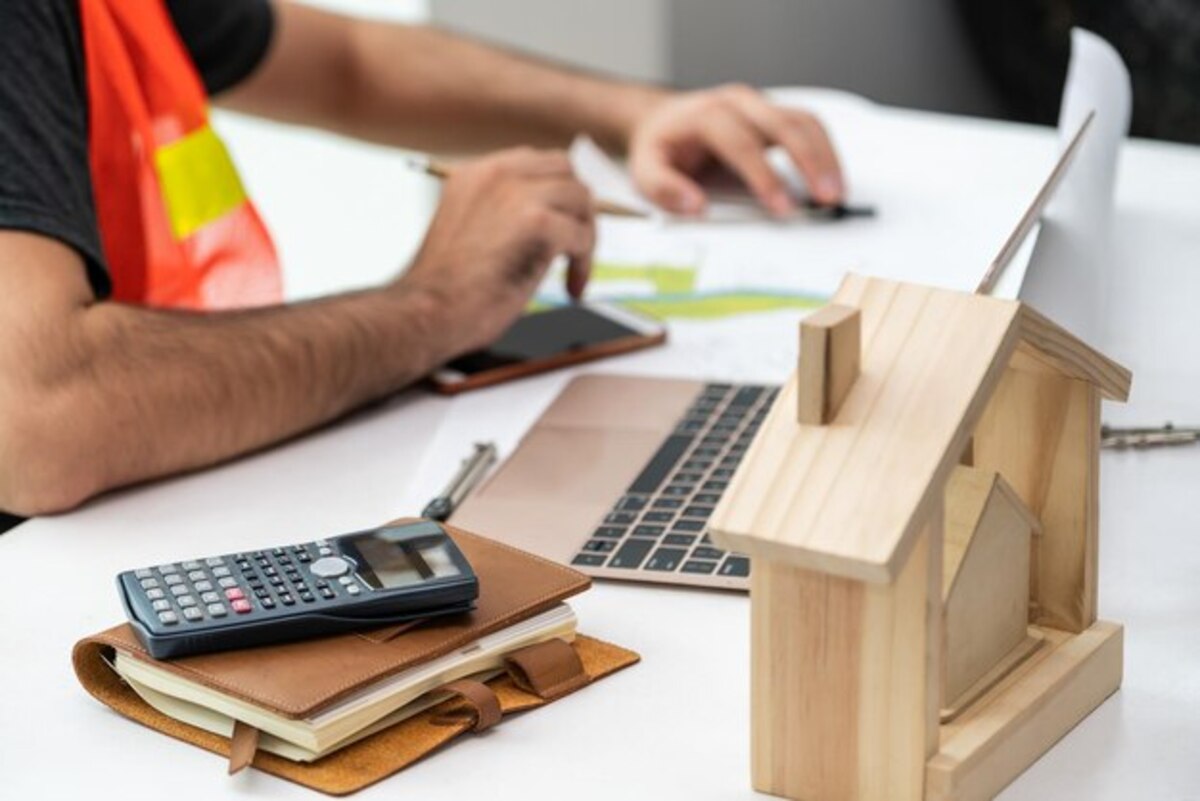
Ensuring a successful home purchase in Costa Rica involves not only finding the perfect house but also understanding the taxes and expenses that come with this important step. From transfer fees to maintenance costs, every detail matters to avoid unpleasant surprises. In this article, we will provide key tips that will help you navigate the financial maze of home buying, ensuring that your investment is truly fruitful and secure. Get ready to build the home of your dreams without complications!
Understanding property tax: What do you need to know?
Understanding property tax is essential for any homebuyer in Costa Rica. This tax is based on the value of the property and is calculated annually, meaning that you must be prepared to pay an initial sum when acquiring your home, as well as consider the recurring costs that come with ownership. It is important to research current rates and how they may vary depending on the location and type of property, as this will directly affect your long-term budget. Familiarizing yourself with these details will enable you to make more informed decisions and avoid financial surprises.
In addition to property tax, it is also essential to understand other tax obligations related to the purchase of real estate. For example, transfer taxes can represent a significant expense at the time of acquiring the property. These taxes are usually calculated as a percentage of the purchase price and must be paid before formalizing the property deed. Knowing these aspects will help you better plan your finances and ensure that you are considering all costs associated with your new investment, allowing you to fully enjoy your new home without unexpected financial worries.
Advertisements
Additional expenses when buying a home in Costa Rica
When buying a home in Costa Rica, it is vital to keep in mind that expenses are not limited to the purchase price alone. Among the most relevant additional costs are transfer fees and property taxes, which can vary depending on the location and value of the property. Additionally, it is important to consider notary fees and other legal expenses related to the deed process. These costs can add up to a significant percentage of the total property price, so it is advisable to create a detailed budget to avoid surprises on the way to your new home.
Another aspect to consider is the recurring expenses associated with the maintenance and operation of the home. This includes utility fees such as water, electricity, and internet, as well as costs for maintaining common areas if the property is located in a condominium or development. Additionally, don't forget to consider the necessary insurance to protect your investment against unforeseen events. By being aware of these additional expenses from the beginning, you can make more informed decisions and ensure that your purchase is truly sustainable in the long term.
The hidden costs of buying a house: a detailed analysis
When buying a house, it is essential to look beyond the sale price and consider the hidden costs that may arise throughout the process. One of the main expenses that many buyers overlook is the transfer fees and taxes associated with the property. In Costa Rica, these costs can vary significantly depending on the location and value of the home. Additionally, other expenses such as title studies, legal fees, and notary services must be taken into account, as they are essential to ensure a smooth and legally valid transaction. The sum of all these elements can significantly increase the total cost of the purchase, making it crucial to create a budget that considers these variables.
Another important aspect to consider is the recurring costs related to the property itself. This includes annual property taxes, homeowner's insurance, and maintenance fees. Many times, new homeowners underestimate these expenses or are not prepared for them. For example, while a house may seem affordable at first, if it requires major repairs or energy updates in the short term, those additional costs can severely impact your financial stability. Conducting a detailed analysis and including an emergency fund in your financial planning will help you avoid unpleasant surprises after closing the deal and ensure that your new home is truly a worry-free place without unexpected economic concerns.
How to calculate the total budget for your new home
Calculating the total budget for your new home is an essential step that should not be taken lightly. First, it is crucial to consider the purchase price of the property, but this is just the beginning. In addition to the initial cost, you will need to include transfer taxes, legal fees, and notary expenses. Don't forget the inspection and appraisal costs, which are vital to ensure that you are making a smart investment. By adding these elements together, you will gain a clearer picture of the necessary outlay at the purchasing stage.
Once you have an estimate of the immediate costs, it is equally important to project the long-term expenses associated with the property. This includes the monthly mortgage payment (if applicable), as well as property taxes and maintenance fees. Also consider utility expenses such as water, electricity, and internet. Creating a comprehensive budget that accounts for both initial costs and recurring ones will allow you to make informed decisions and avoid financial surprises in the future, thereby ensuring a more pleasant experience in your new home.
The importance of title studies and their financial impact
Title study is a crucial process in purchasing a home, as it ensures that the seller legally owns the property and that there are no hidden liens or encumbrances on it. By verifying the titles, the transaction is made transparent and secure, preventing potential future conflicts. This analysis also allows for the identification of any legal restrictions or disputes related to the property that could affect your right to fully enjoy it. Ignoring this stage can lead to costly legal issues and financial complications in the future.
In addition to the legal aspect, the financial impact of a title study is significant. Any irregularity in the documents could lead to unexpected expenses, such as fines or even costs associated with litigation. On the other hand, a thorough verification can facilitate access to more favorable financing, as banking entities often assess both the property and its legal situation before granting mortgage loans. In summary, investing time and resources in a proper title study not only protects your initial investment but also optimizes your chances of achieving a positive long-term return.
Tax planning: benefits and considerations when buying a house
Tax planning when buying a house is a fundamental aspect that can significantly influence your long-term investment. In Costa Rica, buyers must be aware of several taxes associated with property acquisition, such as property tax and transfer fees. These costs are not limited to the time of purchase; you also need to consider how they will affect your finances in the future. Good tax planning will allow you to maximize your deductions and optimize your tax situation, which can lead to substantial savings over time.
It is also crucial to evaluate how buying a home will impact your annual tax return. For example, the interest paid on mortgage loans may be deductible, which represents a significant advantage for many homeowners. However, each financial situation is unique and deserves a detailed analysis. Consulting with a financial expert or a tax advisor can provide you with a clear and personalized insight into the tax implications of your purchase, helping you make informed decisions that strengthen your economic stability while enjoying the home you have always wanted.
Financing options: what expenses to consider?
When considering the purchase of a home, it is essential to evaluate the available financing options and the associated costs. Among the immediate costs are the down payment, which typically ranges from 10% to 30% of the total property value. It is also important to consider additional expenses such as legal fees, appraisal fees, and transfer taxes, which can add a significant percentage to the final price. Understanding these elements will give you a clear view of the capital needed to close the transaction without unexpected issues.
In addition to the initial cost, it is vital to plan for the recurring expenses associated with the property. This includes homeowners insurance, which protects your investment against potential damages, as well as property tax contributions that you will need to pay annually. Also, keep in mind the maintenance and utility costs, which are essential to keep your new home in optimal condition. Evaluating these variables will help you determine a realistic budget and ensure that your purchase is not only successful at the time of acquisition but also sustainable over time.
Tips for negotiating prices and terms with sellers
Negotiating prices and terms with sellers is a crucial skill to ensure a successful home purchase. Before starting any conversation, it is essential to conduct thorough research on the real estate market in the area you are interested in. This includes knowing the average price of similar properties, as well as identifying current market trends. Being well-informed will give you an advantage when presenting your offer and arguing why your proposal is fair, which can lead to a more favorable closing.
Also, do not underestimate the importance of establishing a good relationship with the seller or their agent. Open and honest communication can facilitate the negotiation process. Ask questions about the property and show genuine interest; this will not only create a friendlier atmosphere but could also reveal valuable information that helps you adjust your offer. Remember that the willingness to compromise on certain aspects, such as closing dates or inclusions in the deal, can be key to reaching a satisfactory agreement for both parties.
Long-term maintenance: anticipating future expenses
Long-term maintenance is one of the most critical aspects that is often overlooked when buying a home. It's not just about ensuring that your new house is in optimal condition at the time of purchase, but also about anticipating and planning for future expenses related to its maintenance. This includes everything from regular care of the garden and electrical and plumbing systems to the potential need for renovations or structural repairs in the future. Conducting a detailed inventory of the property's facilities and features can help you identify areas that may require specific attention, allowing you to set an appropriate budget for these expenses.
It is also advisable to research the average lifespan of various elements in the home, such as roofs, appliances, and HVAC systems. With this in mind, you can properly schedule any necessary replacements or improvements over time. Also consider creating a specific fund for "emergencies" or "maintenance," where you can accumulate money for those unforeseen expenses that always arise. By having a clear understanding of the costs associated with long-term maintenance, you will not only be better financially prepared but also ensure that your home remains in excellent condition for many years.
Advertisements
More in Taxes and Expenses

Finance and Planning, Taxes and Expenses
Transform your monthly expenses into saving opportunities.

Finance and Planning, Taxes and Expenses
Tips to secure your real estate investment during the buying process

Finance and Planning, Taxes and Expenses
Keys to financing your new home without complications
Finance and Planning, Taxes and Expenses
Guide to Financial Decision-Making When Buying Your Ideal Home
Most viewed in Finance and Planning

Finance and Planning, Mortgage Loans
Keys to negotiate better terms on your mortgage

Finance and Planning, Financial Planning
Dollars or colones: where colón buyers face less competition

Finance and Planning, Housing Costs
Where US$200,000 buys a house in Alajuela

Finance and Planning, Insurance
How to choose a home insurance that fits your budget