
Strategies to secure financing for your new home
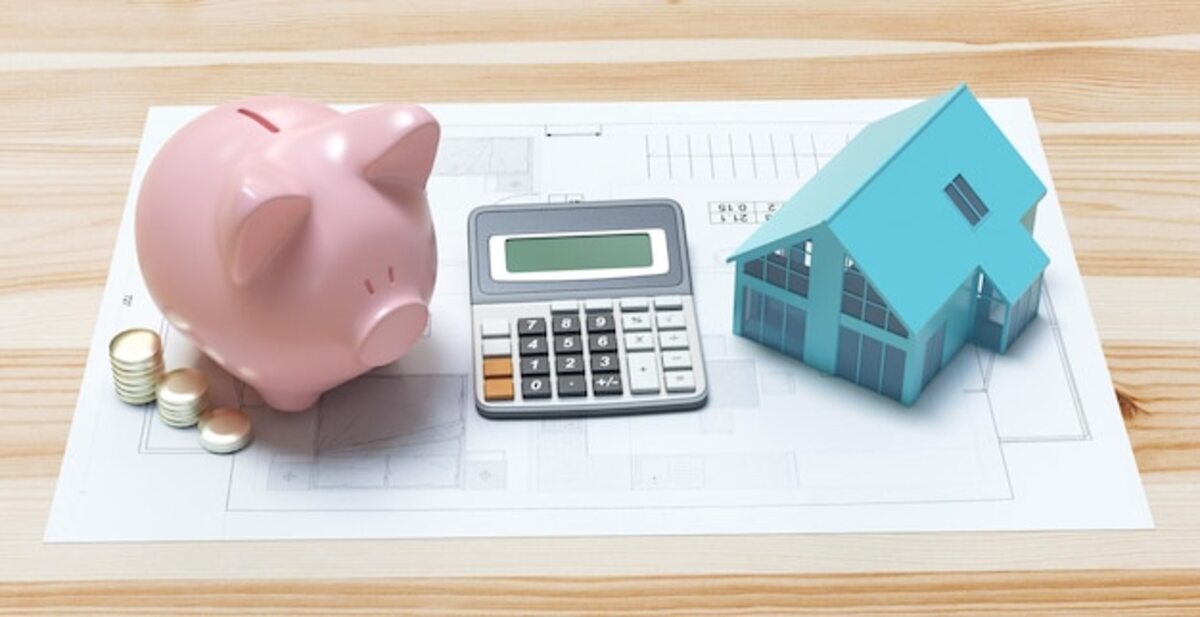
Securing financing for your new home is a crucial step on the path to homeownership, especially in an environment where taxes and expenses may seem overwhelming. With the right strategies, you can navigate this process with confidence and optimize your resources. In this article, we will explore various tactics that will not only help you reduce costs but also allow you to achieve that dream of having your own home without financial complications.
Understanding Property-Related Taxes
Understanding property-related taxes is essential for anyone considering purchasing a new home. Property taxes are a financial burden that can vary significantly depending on the location and value of the property. By educating yourself on how these taxes are calculated, you can better anticipate the costs associated with your new home. Additionally, it is crucial to know about available tax deductions, as some jurisdictions offer incentives for buying a first home or for homeowners under certain conditions, which could alleviate some of the financial burden.
Another crucial aspect to consider is the relationship between property taxes and mortgage financing. Most lending entities will include the estimated cost of property taxes in their calculation of monthly payments, which will affect your total budget. It is advisable to conduct thorough research on tax rates in different areas and consult with local experts to obtain accurate information. This way, you can adequately plan your expenses and ensure that your investment is sustainable in the long term. With a good understanding of these tax elements, you will be in a stronger position to make informed financial decisions when acquiring your new home.
Advertisements
Assess Your Creditworthiness: Key to Obtaining Financing
Evaluating your creditworthiness is a crucial step in the process of securing financing for your new home. Before approaching lenders, it is essential to understand your current financial situation, which includes your income, debts, and any other financial commitments. This will not only give you a clear idea of how much you can afford to spend on a property, but it will also help you identify areas where you could improve before applying for a loan. A good credit history can be the difference between obtaining a favorable interest rate or facing less advantageous terms.
Additionally, conducting a thorough analysis of your creditworthiness will allow you to address potential obstacles in advance. If you find that your credit score is not at its best, you can work on improving it before actively seeking financing. This may involve paying bills on time, reducing outstanding balances, or even correcting errors on your credit report. By being well-prepared and understanding your personal finances, you will be able to negotiate with greater confidence and secure the best available options to finance the purchase of the home you have always desired.
Previous Savings: Strategies to Gather the Down Payment
To gather the down payment for your new home, it is essential to implement saving strategies that align with your lifestyle and financial goals. One of the most effective tactics is to create a detailed budget. Analyze your monthly income and expenses, and determine how much you can allocate for savings. Consider setting up a specific savings account for your down payment; this will not only help you keep your funds separate but also allow you to see your progress as you save. Additionally, prioritize essential expenses and look for opportunities to cut costs in areas such as entertainment, dining out, or unnecessary subscriptions.
Another valuable strategy is to automate your savings. Set up automatic transfers from your checking account to your designated savings account right after you receive your salary. This way, you ensure that a portion of your income is allocated to savings before you even have a chance to spend it. You might also consider generating additional income through freelance work or online sales; that extra income can significantly contribute to your down payment fund. With a disciplined and proactive approach to saving, you will be closer to achieving that goal of owning your home without compromising your current financial stability.
Government Assistance Programs and Available Subsidies
Government assistance programs and subsidies are valuable tools that can facilitate access to housing for many people. There are various initiatives, both at the federal and state levels, designed to support homebuyers at different stages of their process. These programs can range from down payment assistance to subsidies for closing costs, allowing those facing financial constraints to take the step toward ownership. Researching and understanding the options available in your area is essential to maximize these benefits.
In addition to direct subsidies, some governments offer tax incentives that can reduce the economic burden associated with buying a home. Programs like first-time homebuyer tax credits or specific deductions for mortgage interest are just a few ways you can significantly reduce your long-term costs. It is advisable to consult with a financial advisor or a real estate agent who is familiar with these government aids, so you can ensure you discover all the opportunities that align with your needs and financial situation.
Compare Financing Options: Mortgage Loans vs. Personal Loans
When considering financing options to acquire your new home, it is essential to compare mortgages and personal loans, as each offers advantages and disadvantages based on your financial needs. Mortgages are generally the most popular option for purchasing homes, as they are specifically designed for this purpose and tend to offer lower interest rates compared to other types of loans. Additionally, the repayment terms are longer, which can make it easier to access larger amounts without overly straining your monthly budget. However, these loans often require a more rigorous approval process and may include additional costs such as insurance and fees.
On the other hand, personal loans can be an attractive option if you need quick financing or if you are looking to cover a smaller amount that does not justify a mortgage loan. They often have a simpler application process and fewer formal requirements; however, interest rates can be significantly higher. This means that while you may be able to obtain the money quickly for a specific purchase or project related to your new home, monthly payments could end up being higher in the long run. Carefully evaluating both alternatives will allow you to make an informed decision that aligns with your financial goals and your ability to manage the debt associated with the purchase of your home.
Hidden Costs When Buying a House: What Should You Consider?
When buying a house, it's easy to focus solely on the property's price and the immediate expenses associated with the purchase, such as the down payment or closing costs. However, it's essential to consider the hidden costs that may arise during the process and after acquiring your new home. These can include appraisal fees, inspection costs, and expenses related to financing, such as lender commissions. Additionally, don't forget to account for homeowners insurance and property taxes, which can vary significantly depending on the location. By adding all these elements together, you might find yourself facing a financial picture different from what you initially envisioned.
In addition to the aforementioned costs, other hidden expenses may include long-term maintenance and unexpected repairs that arise over time. It is advisable to create a reserve fund to address these eventualities without compromising your monthly budget. Also, consider the fees associated with utilities and maintenance dues if you opt for a property in a gated community. Having a holistic view of all these aspects will allow you not only to make more informed decisions when buying your home but also to ensure that your dream remains affordable over time.
The Importance of a Realistic Budget for Your New Home
A realistic budget is the cornerstone for securing financing for your new home. Before you dive into searching for properties, it is essential to have a clear understanding of your monthly income and expenses. This will not only allow you to determine how much you can afford to spend on a house, but it will also help you identify areas where you can cut unnecessary expenses. By setting a clear limit that matches your financial situation, you will avoid falling into the trap of excessive mortgages that can jeopardize your long-term economic stability. A conscious and methodical approach to budgeting will provide you with greater clarity and control over your decisions.
Additionally, a well-structured budget will allow you to anticipate and plan for other costs associated with buying a home, such as taxes, insurance, and maintenance expenses. These additional costs are often overlooked when calculating the total price of acquiring a new home. Therefore, including these elements in your budget helps avoid unpleasant surprises after making the purchase. Remember that being realistic not only means being prudent; it also involves being flexible in the face of unforeseen changes in your finances or personal circumstances. With good budget management, you will be better prepared to face any financial challenges on the path to your new home.
Financial Advice: When and How to Seek Professional Help?
Financial advisory is an invaluable resource that can make the difference between a successful home purchase and a stressful experience. It is advisable to seek professional help at key moments, such as when starting the search for financing or before signing any contract. An experienced financial advisor can provide you with a clear view of your options, assess your economic situation, and help you identify the most suitable loans for you. This type of guidance will not only allow you to better understand the terms and conditions of the financing but will also provide you with strategies to improve your credit profile and increase your chances of obtaining the best rates.
Having an expert by your side is especially useful if you are facing complex financial situations or if you are a first-time buyer. They can guide you in creating a realistic budget that considers not only the cost of the home but also additional expenses like taxes, insurance, and maintenance. By investing in financial advice from the beginning, you will be better prepared to make informed decisions and avoid costly mistakes in the future. Remember that securing the right financing is not just about finding the cheapest loan; it's about building a comprehensive strategy that supports your dream of homeownership without compromising your financial stability.
Maintaining Financial Stability After Buying Your Home
Maintaining financial stability after purchasing your home is essential to ensure that your investment remains a valuable asset over time. Once you have closed the purchase, it is crucial to establish a realistic budget that includes not only the mortgage payments but also other associated expenses such as property taxes, maintenance, and insurance. Make sure to allocate a portion of your monthly income to an emergency fund for unexpected home-related issues, such as urgent repairs or unexpected fluctuations in your personal finances. This planning will allow you to face any financial challenges without jeopardizing your stability.
Additionally, consider periodically reviewing your expenses and adjusting your lifestyle if necessary. It's easy to fall into the trap of excessive spending after making a significant purchase like a house, but maintaining a disciplined approach will help you preserve liquidity and avoid financial stress. Investing in financial education can be an excellent strategy to better understand how to manage your resources after acquiring your home. Remember that maintaining financial stability involves not only meeting your mortgage obligations but also planning for the future and ensuring that your new home remains a safe and pleasant place without compromising your finances.
Advertisements
More in Taxes and Expenses

Finance and Planning, Taxes and Expenses
Transform your monthly expenses into saving opportunities.

Finance and Planning, Taxes and Expenses
Keys to financing your new home without complications
Finance and Planning, Taxes and Expenses
Guide to Financial Decision-Making When Buying Your Ideal Home

Finance and Planning, Taxes and Expenses
Tips to secure your real estate investment during the buying process
Most viewed in Finance and Planning

Finance and Planning, Mortgage Loans
Keys to negotiate better terms on your mortgage

Finance and Planning, Financial Planning
Dollars or colones: where colón buyers face less competition

Finance and Planning, Insurance
How to choose a home insurance that fits your budget
Finance and Planning, Taxes and Expenses
Transform your monthly expenses into saving opportunities.