
Essential aspects to avoid surprises when buying a home
Avoiding surprises when buying a home is crucial to ensure a safe and satisfactory investment. In Costa Rica, where the diversity of properties can be overwhelming, it is essential to consider key aspects that go beyond the appearance of the house. From basic maintenance to legal details, every element matters to ensure that your new home is a place of happiness and not of worries. Here are the essential aspects you should consider before sealing the deal.
Technical inspection: What to check before buying?
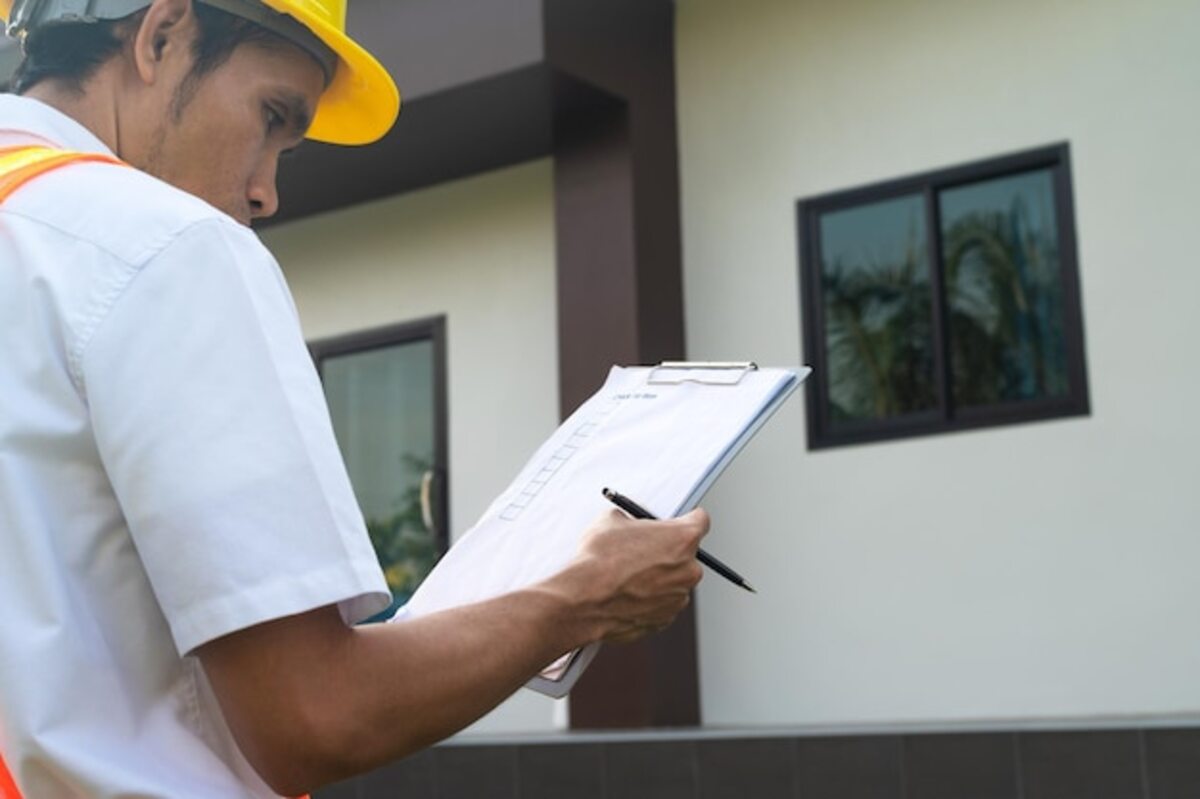
The technical inspection of a property is a crucial step in the purchasing process, as it allows for the identification of potential issues that could turn into costly surprises in the future. It is advisable to hire a professional inspector who has experience in the local market and can evaluate structural aspects such as the foundation, electrical and plumbing systems, as well as the condition of the roof and walls. Checking these elements will not only give you a clear idea of the integrity of the home but can also be useful for negotiating the price or requesting repairs before closing the deal.
In addition to structural elements, it is important to consider other technical factors such as the energy efficiency of the home. Check the windows, doors, and heating or cooling systems; all of these aspects directly influence your monthly bill and the overall comfort of the home. You should also pay attention to possible signs of moisture or infestations, as these problems can worsen over time if not properly addressed. In summary, a detailed technical inspection not only protects your investment but also provides you with peace of mind knowing that you are making an informed decision.
Advertisements
Importance of preventive maintenance in new homes.
Preventive maintenance in new homes is crucial for extending the property's lifespan and ensuring its functionality. When purchasing a house, many homeowners tend to focus on aesthetic and design aspects, but neglect the regular care that a home requires. Implementing a preventive maintenance program from day one not only helps identify minor issues before they become costly repairs but also ensures that all home systems—such as plumbing, electricity, and heating and cooling—operate optimally. This creates a safer and more comfortable environment for all residents.
Additionally, preventive maintenance contributes to the long-term value of the home. Well-maintained houses tend to appreciate better in the real estate market and are more attractive to future buyers. A proven record of proper maintenance can be a significant differentiator when you decide to sell your property in the future. Therefore, investing time and resources in preventive care will not only benefit your daily quality of life but will also be a smart financial decision as you plan your family legacy.
Hidden costs: Additional expenses you need to consider.
When purchasing a home, many buyers focus on the property's price and immediate expenses such as the mortgage, insurance, and taxes. However, there are hidden costs that can arise throughout the process and are vital to consider to avoid unpleasant surprises. For example, closing costs, which include legal fees, real estate agent commissions, and administrative fees. These amounts can add up to a significant sum to the total cost of the purchase, so it is advisable to request a detailed breakdown before finalizing the deal.
In addition to the initial expenses, it is important to consider the recurring costs associated with the property. Regular maintenance, unforeseen repairs, and contributions to homeowners' associations are just a few examples. Also, don't forget to research the utility rates in the area; these can vary significantly depending on the location. Considering all these elements will allow you to establish a more realistic budget and ensure that your investment is not only viable in the short term but also sustainable in the long term.
Necessary documentation to avoid legal issues.
The purchase of a property not only involves the investment of a considerable amount of money but also entails a series of legal responsibilities that must be carefully managed. To avoid legal issues in the future, it is vital to have all the necessary documentation before finalizing the purchase. This includes verifying the title of ownership, ensuring that it is free of liens, mortgages, or litigation. Additionally, it is advisable to request a cadastral certificate and other documents that demonstrate the legitimacy of the seller and the legality of the property. This process may seem tedious, but it is essential to ensure that your new home does not become a source of conflict.
It is also important to take into account the permits and licenses related to the construction and use of the property. Make sure that all modifications made to the property have the relevant authorizations from local authorities. The lack of these documents could not only result in financial penalties but also complications when making future transactions or modifications to the home. Investing the necessary time to gather and review this documentation will allow you to fully enjoy your new home without unpleasant surprises on the horizon.
Strategies for assessing the structural condition of the property.
To ensure that your investment in housing is solid, it is crucial to evaluate the structural condition of the property. One of the most effective strategies is to conduct a professional inspection. Having a certified inspector can provide you with an objective view of the property's condition, identifying hidden problems such as leaks, structural damage, or faulty electrical systems. This thorough analysis will allow you to make informed decisions and negotiate repairs or adjustments to the property's price before closing the deal.
In addition to hiring an expert, you can conduct an initial review on your own. Carefully observe aspects such as the walls, ceilings, and floors for cracks or deformities. Pay attention to the plumbing and electrical systems; for example, check for signs of moisture or corrosion on faucets and pipes. It is also advisable to investigate the materials used in construction and their maintenance history. These additional steps can provide you with valuable information about the level of care the property has received over time and help you avoid unpleasant surprises after the purchase.
Keys to choosing a suitable and sustainable location.
Choosing a suitable and sustainable location for your new home is crucial not only for your comfort but also for preserving the environment in which you will live. Before making a decision, research the area's infrastructure: access to public transport, hospitals, schools, and shops are elements that directly impact your quality of life. Additionally, consider the projected urban growth; a location with sustainable development plans can increase its long-term value and contribute to a healthier and more balanced environment.
Another fundamental aspect is to evaluate the environmental impact of the chosen location. Look for areas that promote sustainable practices such as green spaces, efficient waste management systems, and access to renewable energy sources. You will not only be investing in a property but also contributing to the well-being of the planet. Remember that a good location is not measured solely by its immediate convenience but by its potential to offer a lifestyle harmonious with nature and the surrounding communities.
Tips on utilities and their impact on the home.
When evaluating a property, it is crucial to understand how utilities can impact your experience as a homeowner. These services include water, electricity, gas, and waste collection, and their availability and cost vary significantly between different areas. Before making a decision, research the current rates for these services in the area where you plan to buy. A home that seems affordable can become a financial burden if the monthly utility costs are high or if there are recurring issues with the supply.
In addition to the cost, it is important to consider the quality and infrastructure of these services. Ask your neighbors about their experience with the local public service; this will give you a clear idea of the reliability of the supply and any inconveniences they may have. It is also advisable to check if there are plans for improvement or expansion by the responsible entities, as this can affect both quality and cost in the long term. Being clear about these aspects will allow you to make more informed decisions and avoid unpleasant surprises after making the purchase.
The relevance of knowing the history of the property before making a decision.
Knowing the history of the property you are considering buying is crucial to avoid unpleasant surprises in the future. Every house has a unique narrative that can influence its value, its condition, and your experience as an owner. From hidden structural issues to significant events that have occurred on the property, understanding this background can provide you with a clear insight into what you are truly acquiring. Researching repairs made, previous owners, and any legal controversies related to the home will enable you to make more informed decisions and avoid unfortunate investments.
Additionally, investigating the context of the neighborhood is also essential. The history of the area can reveal changes in infrastructure, commercial development, or even alterations in the community that could affect your quality of life. For example, if an area has experienced rapid but disorganized growth, you might face issues related to noise or safety. By understanding both the property's past and its surroundings, you can ensure that your new home is not only a good place to live today but also a solid investment for the future.
Advertisements
More in Basic Maintenance

Home, Basic Maintenance
Key aspects for a smooth move to your new home
Home, Basic Maintenance
Tips for assessing the durability of your new home in Costa Rica
Home, Basic Maintenance
Essential maintenance to maximize the security of your new home

Home, Basic Maintenance
Key aspects to choose a home that protects your investment
Most viewed in Home

Home, Furniture
Furniture that promotes the art of rest and disconnection

Home, Furniture
How to select furniture that reinforces your investment in Costa Rica
Home, Essential Appliances
Appliances that ensure functionality and style in your home
Home, Security and Technology
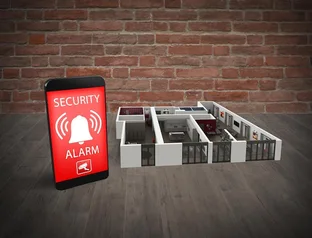
Early warning systems for smart home security