
Key aspects to evaluate the quality of your new home
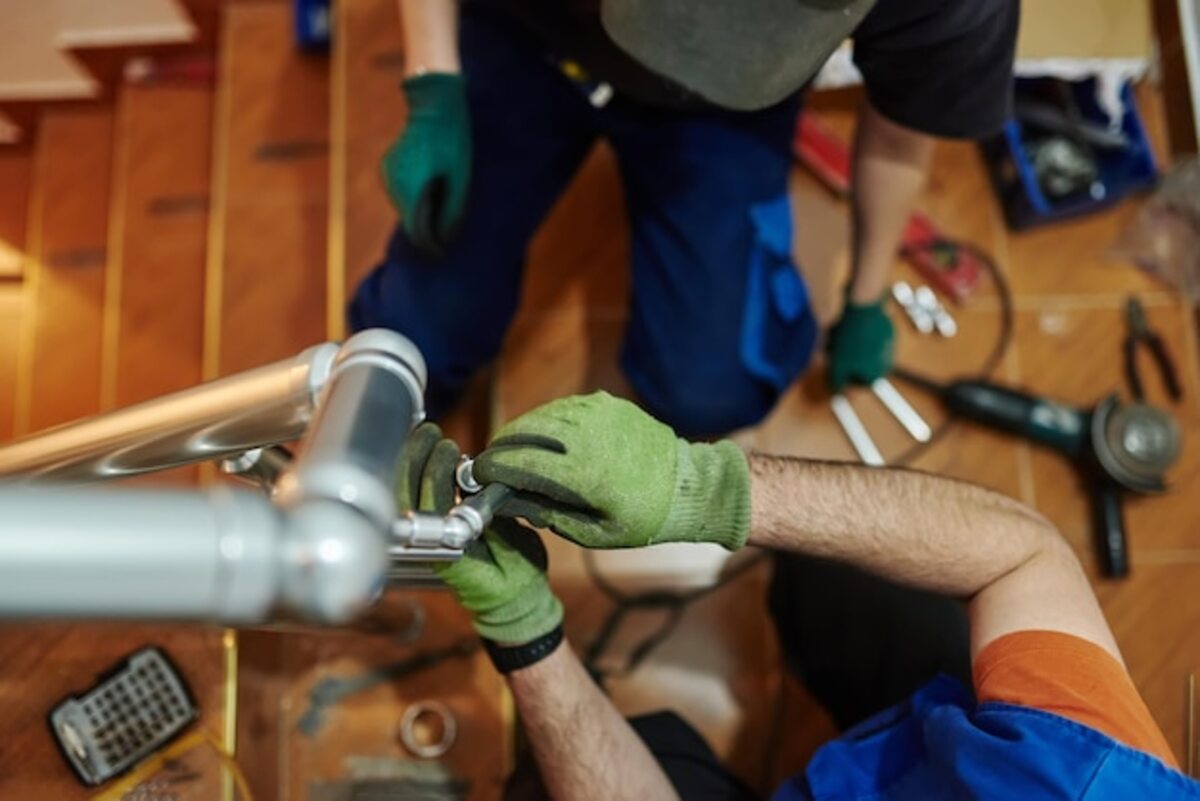
Evaluating the quality of your new home is essential to ensure that your home is not only a refuge but also a smart investment. In this article, we will show you the key aspects to consider when conducting this evaluation. From the structure to the electrical and plumbing systems, every detail matters to guarantee the proper maintenance of your new space. Get ready to become an expert in identifying the essential elements that ensure the durability and comfort of your home.
Structural inspection: What to look for in walls and ceilings?
Inspecting the walls and ceilings is a crucial part of evaluating the quality of your new home. When looking at the walls, watch for signs of moisture, such as stains or bubbles in the paint, which could indicate leaks or more serious structural issues. Additionally, pay attention to cracks; while some may be superficial and aesthetically simple to repair, others that are deeper may signal a problem with the foundation or settling of the house. Also, remember to check the alignment of the walls; any tilt may indicate deficiencies in the structure.
Roofs are equally important in this inspection. Check for visible leaks or areas where the roofing material has deteriorated. A damaged roof not only compromises the integrity of the home but can also result in costly long-term repairs. Check the condition of the insulation, as good insulation contributes to energy savings and maintaining a comfortable environment inside the home. By conducting a thorough inspection of these key areas, you will have a better idea of the overall solidity of your new home and its ability to withstand the passage of time.
Advertisements
Electrical systems: Safety and energy efficiency.
When evaluating the quality of your new home, the electrical systems are a crucial aspect that should not be overlooked. Safety is paramount; a poorly installed or aging electrical system can pose a considerable risk, including fires or electric shocks. It is advisable to check the condition of the wiring, switches, and outlets to ensure they meet current regulations. Additionally, verify if recent updates have been made to the electrical system, as this can significantly impact the safety and functionality of the home.
Energy efficiency also plays an important role in the evaluation of electrical systems. A well-designed system not only reduces the risk of failures and accidents but also helps to lower energy bills in the long term. Consider installing LED bulbs, smart thermostats, and efficient appliances that meet the necessary certifications. These elements not only enhance home comfort but are also a sustainable investment that benefits the environment and increases the value of your property in the future.
Plumbing: Keys to prevent leaks and future problems.
Plumbing is one of the most critical systems in any home, and a thorough evaluation can prevent leaks and costly long-term issues. When inspecting the plumbing in your new house, it is essential to check the condition of the pipes, faucets, and drains. Look for visible signs of moisture or stains on the walls and ceilings, as well as unusual odors that may indicate hidden leaks. A well-maintained plumbing system not only ensures a reliable water supply but also contributes to the overall health of the home by preventing mold growth and other moisture-related problems.
In addition to the visual inspection, consider performing a pressure test on the pipes to detect possible leaks that may not be evident to the naked eye. Also, make sure to check the fixtures, such as water heaters and pumps, as their proper functioning is vital for daily comfort. Maintaining a regular preventive maintenance schedule will help identify any issues before they turn into an emergency, allowing you to fully enjoy your new home without unpleasant surprises related to plumbing.
Windows and doors: Insulation and security.
When evaluating the quality of your new home, windows and doors play a crucial role in terms of insulation and security. A good window system not only involves an attractive aesthetic but should also provide optimal performance in energy efficiency. Double or triple glazed windows help reduce heat loss during winter and keep the home cool in summer. Additionally, well-sealed frames minimize drafts, resulting in lower energy bills and greater indoor comfort. It is important to verify that the windows have energy efficiency certifications to ensure they meet the appropriate standards.
Security is also fundamental when considering the doors and windows of your new home. Exterior doors should be sturdy, preferably made of durable materials like steel or solid wood, and include high-quality locks to provide an effective barrier against intruders. Likewise, windows should have secure locking mechanisms and optionally grilles or anti-intrusion systems for added peace of mind. Don't forget to check for additional measures like laminated glass or smart solutions that integrate alarms and cameras, which not only enhance security but also increase the perceived value of the home. With these considerations in mind, you can ensure that your new home is both a safe haven and an energy-efficient space.
Interior finishes: Materials and their wear resistance.
When evaluating the interior finishes of your new home, it is essential to consider the materials used and their wear resistance. Wall, floor, and ceiling coverings not only affect the aesthetics of your home but also need to withstand daily use. Materials such as ceramic, vinyl, and treated wood are popular choices for their durability and ease of maintenance. On the other hand, more delicate finishes like wallpaper or certain paints may require additional care to maintain their original appearance over time. It is important to inquire about the properties of each material in terms of stain resistance, moisture, and scratches.
Additionally, the quality of the finish can influence the longevity of the space. For example, laminate flooring is an economical option that can offer a similar appearance to natural wood; however, its wear resistance is lower compared to solid woods or ceramic tiles. It is also important to consider how these materials interact with other elements of the home, such as natural light and local weather conditions. By selecting interior finishes that are both aesthetically pleasing and functional, you will not only enhance the comfort of your home but also ensure a more solid long-term investment.
Outdoor spaces: Evaluation of the garden and common areas.
When evaluating the quality of your new home, outdoor spaces play a crucial role in the overall perception of the house. A well-maintained garden and adequate common areas are not only aesthetically pleasing but can also increase the property's value. Observe the condition of the grass, plants, and trees; healthy vegetation indicates good prior maintenance. Additionally, check for efficient irrigation systems and proper drainage to avoid moisture issues or flooding in future rainy seasons. The garden's orientation is also important: a space with good sun exposure can be ideal for enjoying outdoor activities.
On the other hand, common areas should be designed to promote coexistence and community enjoyment. Evaluate aspects such as lighting, pathways, and urban furniture; all of this contributes to creating a welcoming and safe environment. It is advisable to check for sufficient green spaces, benches, or recreational areas that invite use by residents. It is also relevant to investigate the management and maintenance of these spaces: understanding how cleaning and conservation tasks are organized will give you a clear idea of the neighborhood's commitment to its environment. Ultimately, these elements not only improve your quality of life but also reflect the long-term potential of your real estate investment.
Local regulations: Compliance with Costa Rican regulations.
Compliance with local regulations is an essential aspect when evaluating the quality of your new home in Costa Rica. The country has a series of regulations that ensure the safety, efficiency, and sustainability of constructions. These regulations cover everything from the proper use of materials to space planning, ensuring that each home meets the required standards to protect its occupants and the environment. When purchasing a property, it is crucial to verify that the builder or developer has complied with these regulations, which will not only provide you with peace of mind but can also influence the future valuation of your property.
Additionally, being informed about local regulations will allow you to identify potential issues before making the purchase. This includes reviewing building permits, licenses, and necessary certifications that ensure the construction has been carried out in accordance with the stipulations set by the competent authorities. Do not underestimate the importance of this evaluation; a home built without compliance with regulations can lead to significant risks and unexpected costs for repairs or adjustments later on. Therefore, make sure to have all the appropriate documentation before making a final decision about your new home.
Preventive maintenance: Strategies to extend the lifespan of your home.
Preventive maintenance is one of the most effective strategies for extending the lifespan of your home. Conducting periodic inspections and regular maintenance on key systems such as electrical, plumbing, roofs, and facades not only prevents major problems but also allows you to identify areas that require attention before they become costly repairs. For example, cleaning drains and gutters can prevent leaks and structural damage, while regularly checking the electrical system ensures the safety of your home and prevents unexpected failures.
In addition to technical reviews, it is essential to maintain a suitable environment within the home. This includes controlling humidity to prevent mold and ensuring good ventilation. Small daily actions, such as changing air filters and checking seals on windows and doors, significantly contribute to energy efficiency and the overall well-being of the space. Implementing a maintenance schedule will help you organize these essential tasks, ensuring that your home remains in optimal condition for many years.
Advertisements
More in Basic Maintenance

Home, Basic Maintenance
Key aspects for a smooth move to your new home
Home, Basic Maintenance
Tips for assessing the durability of your new home in Costa Rica
Home, Basic Maintenance
Essential maintenance to maximize the security of your new home

Home, Basic Maintenance
Key aspects to choose a home that protects your investment
Most viewed in Home

Home, Furniture
Furniture that promotes the art of rest and disconnection

Home, Furniture
How to select furniture that reinforces your investment in Costa Rica
Home, Essential Appliances
Appliances that ensure functionality and style in your home
Home, Security and Technology
Early warning systems for smart home security