
Tips to ensure the structural safety of your new home
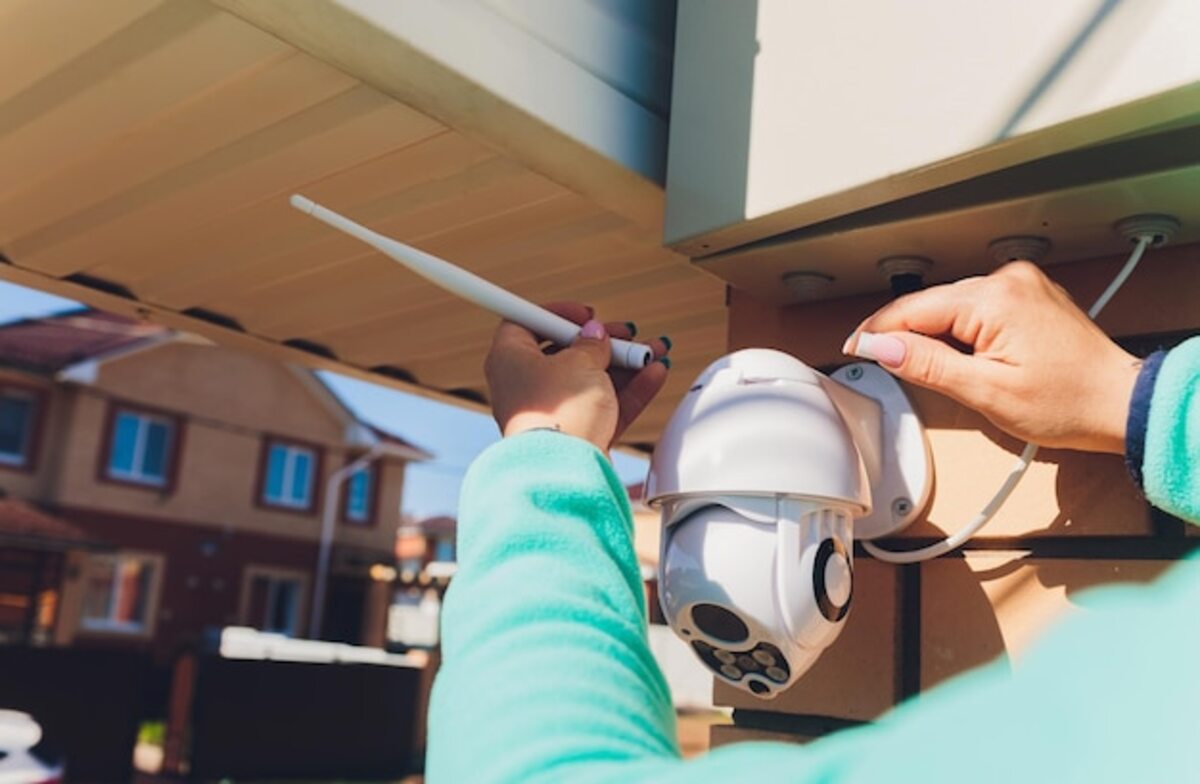
Diving into the adventure of acquiring a new home is exciting, but it also comes with a great responsibility. Ensuring the stability and structural safety of your residence is essential to protect your investment and guarantee the well-being of your family. In this article, you will discover practical and effective tips that will allow you to maintain the integrity of your new home over time, ensuring that every corner is safe and welcoming. Your home deserves the best!
Initial assessment: Complete structural inspection
The initial assessment of a property is a crucial step that should not be overlooked. Before formalizing the purchase, it is advisable to conduct a complete structural inspection that encompasses all visible and hidden aspects of the property. This includes checking the foundations, walls, roof, and plumbing system, as well as verifying any signs of moisture or pests. A professional inspector can identify potential issues that could become significant expenses in the future, giving you the opportunity to negotiate repairs or price adjustments.
In addition to the visual inspection, consider requesting reports on the condition of the land and any potential environmental risks that may affect the stability of your new home. Factors such as landslides, flooding, or settling can compromise the long-term safety of the structure. Having a clear overview of these elements from the beginning allows you to make informed decisions and ensure that your home is a safe haven for you and your family. Remember that prevention is always more economical than repair; therefore, investing time and resources in a thorough assessment is essential to protect your new investment.
Advertisements
Importance of proper drainage in the foundation
Proper drainage is a crucial aspect of the foundation of any home, as it prevents water accumulation around the base of the structure. When water accumulates, it can create pressure on the foundations, which in turn can cause cracks and weakening in the walls and floors. A good drainage system not only protects the structure but also minimizes the risk of problems such as mold and material deterioration, thus ensuring a healthy environment for the occupants. Therefore, investing in proper installation and maintenance of drainage is essential to preserve the structural integrity of the home.
Additionally, efficient drainage contributes to the stability of the surrounding terrain, preventing landslides or sinkholes that could compromise the foundations over time. It is essential to consider factors such as the slope of the land and local weather conditions when designing the drainage system. The implementation of perimeter ditches, gutters, and appropriate piping allows for redirecting water away from the house, ensuring that heavy rains or snowfalls do not pose a threat to your new investment. In summary, well-planned and executed drainage is key to ensuring not only the structural safety of the home but also its longevity and comfort.
Regular roof maintenance: Key to preventing leaks
Regular roof maintenance is one of the most crucial tasks to prevent leaks and structural damage in your home. A well-maintained roof not only protects the interior of the house from the elements but also contributes to energy efficiency and overall comfort. It is advisable to conduct periodic visual inspections to detect any signs of wear, such as broken shingles, moss buildup, or moisture stains, which could indicate underlying issues. Additionally, cleaning the gutters and drains will help prevent clogs that can lead to overflow and unwanted leaks.
Do not underestimate the importance of having a professional carry out more thorough maintenance. Scheduling annual inspections with a roofing expert will allow you to identify and address issues before they become costly repairs. This proactive approach will not only extend the lifespan of the roof but also provide you with peace of mind knowing that your home is protected against potential leaks. Remember that every small effort in maintenance can translate into significant savings and long-term security for you and your family.
Ventilation and humidity: How to prevent structural issues
Proper ventilation and humidity control are crucial factors in preventing structural problems in your home. Poor air circulation can lead to moisture accumulation, which in turn promotes the growth of mold and fungi, as well as the corrosion of materials. Ensure that each room has windows that can be easily opened and consider installing extractors in moisture-prone areas, such as bathrooms and the kitchen. Additionally, regularly check the condition of heating and cooling systems, as proper maintenance will contribute to efficient ventilation.
On the other hand, it is essential to monitor humidity levels inside the home. A hygrometer can be a useful tool to assess whether the environment is too humid or dry. If you detect high humidity levels, investigate potential sources such as leaks or pipes with leaks. Implementing dehumidifiers or using absorbent products can be an effective solution to control excessive humidity. Adopting these measures will not only protect the physical structure of your home but also improve indoor air quality, creating a healthier space for you and your family.
Review and maintain electrical and plumbing installations
Reviewing and maintaining the electrical and plumbing systems is a crucial aspect of ensuring the structural safety of your new home. The electrical systems are essential not only for the operation of electronic devices but also to prevent risks such as short circuits or fires. It is advisable to have a professional inspection at least once a year, which includes checking outlets, switches, and the overall condition of the wiring. Additionally, make sure that all devices comply with current regulations and consider upgrading those that may be obsolete or hazardous.
On the other hand, plumbing is equally essential, as any leak or damage in the pipes can lead to larger problems such as mold, structural damage, and even affect the quality of water in your home. Conduct periodic checks to detect invisible leaks and ensure that the drains are functioning properly. Knowing where the water shut-off valves are located will help you act quickly in case of an emergency. Regular preventive maintenance in both systems not only ensures a safe environment but also allows you to fully enjoy your new home without unnecessary worries.
Pest control: Protecting the structure of your home
Pest control is a crucial aspect of maintaining the structural integrity of your home. Insects like termites, ants, and rodents can not only cause visible damage to wood and other materials but can also compromise the stability of structures. Therefore, it is essential to conduct regular inspections and be alert to any signs of infestation. Often, pest problems go unnoticed until they become severe, so implementing preventive measures from the beginning can save you time and money in the long run. To protect your home from these invisible threats, consider hiring professional pest control services or implementing preventive methods such as sealing cracks in walls and windows, keeping areas clean and clutter-free, and properly storing food. Additionally, make sure to regularly check areas prone to infestations, such as basements and attics. With a proactive approach to pest control, you will not only preserve the physical structure of your house but also create a healthier environment for you and your family.
The connection between good home maintenance and effective pest control is undeniable; by taking care of every aspect of the environment in which you live, you are investing in the long-term safety of your new sanctuary.
Appropriate use of durable building materials
The proper use of durable building materials is essential to ensure the structural safety of your new home. When selecting materials, it is important to choose those that not only meet local regulations but are also recognized for their strength and longevity. Materials such as reinforced concrete, steel, and treated wood are ideal because they offer stability and are less susceptible to issues like corrosion or deterioration. Additionally, consider the climate of your region; for example, in areas prone to humidity, it is crucial to choose products that are waterproof or mold-resistant to maintain the integrity of the home over time.
Investing in sustainable and high-quality materials can lead to significant savings in the long run. While some may have a higher initial cost, their durability reduces the need for frequent repairs and constant maintenance. Additionally, these materials are often designed to improve the energy efficiency of your home, contributing to a more comfortable and eco-friendly environment. Ultimately, building smart from the start will allow you to enjoy a safe and welcoming home for many years.
Warning signs: When to call a professional?
When it comes to the structural safety of your home, it is crucial to pay attention to certain signs that could indicate the need for professional intervention. Visible cracks in the walls or ceiling, especially if they are wide or extend, can be an alarming sign of deeper problems within the structure. You should also observe if there are doors or windows that do not close properly, which could suggest a misalignment in the building's framework. These symptoms often indicate ground movement or issues with the foundations, and it is vital to address these matters before they escalate into more serious conditions. Another sign that should not be overlooked is the presence of dampness or mold in specific areas, such as basements and attics. Water accumulation can weaken internal structures and cause significant long-term damage. If you notice any signs of persistent moisture or deformities in the surfaces, it is advisable to contact an expert for a thorough evaluation. Do not wait for small concerns to turn into major problems; investing time and resources in preventive maintenance can save you considerable future distress and expenses.
Additionally, if you notice strange noises at night, such as creaks or knocks coming from inside the walls, this could indicate an underlying structural problem. These signs not only affect the safety of your home but also your peace of mind and daily well-being. Acting quickly upon noticing these anomalies will allow you to make informed decisions about when to call a professional and thus ensure the continued stability of your new home.
Disaster preparedness: Preparing your home for emergencies
Disaster planning is a crucial aspect that every homeowner should consider when establishing their new home. Whether you live in an area prone to hurricanes, earthquakes, or floods, it is essential to know the specific risks of your area and take proactive measures. This can include creating a family emergency plan that outlines evacuation routes, meeting points, and a basic supply kit that includes non-perishable food, water, medications, and flashlights. Preparing your family to face adverse situations not only ensures their safety but also provides peace of mind in the face of the unexpected.
In addition to family preparedness, ensure that your home is equipped to withstand natural disasters. Inspect the structure and key systems such as the roof, electrical system, and plumbing to ensure they meet local building codes. Consider investing in structural reinforcements or improvements such as impact-resistant windows or adequate drainage systems. Prevention is always better than regret; by anticipating potential emergencies and making necessary adjustments to your home, you will be protecting not only your material possessions but also the life and well-being of your loved ones.
Advertisements
More in Basic Maintenance
Home, Basic Maintenance
Key aspects for a smooth move to your new home
Home, Basic Maintenance
Tips for assessing the durability of your new home in Costa Rica
Home, Basic Maintenance
Essential maintenance to maximize the security of your new home

Home, Basic Maintenance
Key aspects to choose a home that protects your investment
Most viewed in Home

Home, Furniture
Furniture that promotes the art of rest and disconnection

Home, Furniture
How to select furniture that reinforces your investment in Costa Rica
Home, Essential Appliances
Appliances that ensure functionality and style in your home
Home, Security and Technology
Early warning systems for smart home security