Abusive clauses in home purchases and their real impact

Abusive clauses in the purchase of housing are an increasingly relevant issue in Costa Rica. Many buyers find themselves trapped in contracts that violate their rights, affecting not only their finances but also their quality of life. In this article, we will analyze how these clauses can harm you and what measures you can take to protect yourself. Knowing your rights is essential for making a safe and fair investment. Don't let them deceive you!
What are abusive clauses in the sales contract?
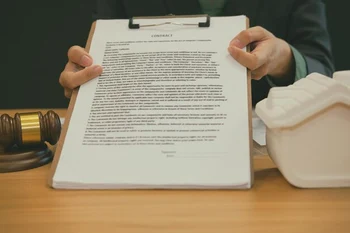
Abusive clauses in a purchase-sale contract refer to those provisions that, by their nature and content, impose disproportionate or unfair conditions on one of the parties, usually on the consumer. These clauses can be considered an unfair practice, as they limit the rights of the buyer and excessively favor the seller or the financial entity. A common example may be the inclusion of excessive penalties for delays in payment or the imposition of hidden charges that are not clearly explained in the contract. Such practices not only affect the buyer's economy but can also lead to adverse situations in which the consumer feels trapped.
The identification of abusive clauses is crucial to protect your rights as a buyer. In many cases, these clauses are written in technical or legal language that can be confusing for those who are not familiar with the subject. Therefore, it is advisable to carefully read each section of the contract and seek legal advice if unfavorable terms are detected. Current legislation establishes certain limits and criteria regarding what is considered abusive; however, many consumers are unaware of these aspects and end up signing harmful agreements. Knowing what constitutes an abusive clause will enable you to make more informed decisions and avoid falling into contractual traps.
2. The most common clauses to pay attention to
The most common clauses to pay attention to in home purchase contracts are typically those that limit your rights as a buyer. One of the most insidious is the clause that establishes disproportionate penalties for breach, which can lead to significant financial losses if unforeseen circumstances arise. Additionally, it is important to be alert to conditions that grant the seller the unilateral right to modify terms of the contract, leaving the buyer in a vulnerable position with no options to defend their interests. These practices can result in very unfavorable situations, where buyers are forced to accept unfair conditions.
Another crucial aspect is the clauses related to financing and additional costs. Often, contracts include variable interest rates or hidden expenses that are not clearly explained at the time of signing. This can lead to confusion about the true total cost of the housing, impacting your family budget in the long term. Likewise, it is essential to read carefully any provision that limits the ability to claim or challenge decisions made by the seller or the bank, as this could severely restrict your options if you encounter issues later on. Knowing and understanding these aspects will enable you to make informed decisions and protect your rights as a consumer in the purchasing process.
3. Economic impact of abusive clauses in your mortgage
Abusive clauses in mortgage contracts can have a significant economic impact on the lives of buyers. These provisions, which are often imposed without fair negotiation, can result in monthly payments that are higher than expected, excessive interest rates, or even disproportionate penalties for default. This can lead to situations of unsustainable debt, where the homeowner not only struggles to meet their financial obligations but is also forced to forgo other essential aspects of their daily life. The economic burden translates into stress and anxiety, affecting not only personal finances but also family stability.
In addition to the immediate impact on the family budget, abusive clauses can trigger long-term consequences that affect homeowners' ability to build wealth. When the costs associated with the mortgage skyrocket due to unfair conditions, many buyers may be forced to delay important projects such as their children's education or even saving for retirement. In some cases, this situation can lead to payment default and, ultimately, the loss of the home. It is crucial for buyers to be proactive and inform themselves about their rights before signing any mortgage contract to ensure that their investment is safe and beneficial in the long term.
4. How to identify a contract with abusive clauses
Identifying a contract with abusive clauses is a fundamental step to protect your rights as a home buyer. These clauses often appear in fine print or in unclear sections of the document, making them go unnoticed by many. Common examples include disproportionate conditions regarding penalties for breach, limitations on the seller's liability, or exclusions of fundamental warranties. It is crucial to read each part of the contract carefully and, if possible, to have the support of a real estate law professional who can help you identify these hidden risks.
In addition to paying attention to the specific conditions of the contract, you should also be informed about the regulations and laws in force that protect consumers in the real estate sector. The institutions responsible for regulating the sector can provide you with guidance on what practices are considered abusive and what your rights are as a buyer. Don't hesitate to question any clause that seems suspicious or unfair; remember that any agreement should be balanced and not detrimental to either of the parties involved. Education and proactivity are your best tools to avoid falling into unfavorable situations when acquiring a property.
5. Consumer rights when purchasing a home
When purchasing a home, consumers have fundamental rights that must be respected by sellers and developers. Firstly, every buyer has the right to receive clear and truthful information about the property they are acquiring, which includes details about the legal status of the property, payment conditions, and any encumbrances or liens that may affect the purchase. This transparency is essential for buyers to make informed decisions and avoid unpleasant surprises in the future. Additionally, they have the right to access a fair contract that does not contain abusive clauses that limit their options or disproportionately favor the seller. Furthermore, it is important to highlight the right to protection against deceptive practices. Consumers have the power to demand clear answers to any questions related to the purchase of their home. This means they can resort to legal avenues if they believe they have been victims of deceit or an abusive clause in their contract. Knowing these rights not only empowers the consumer but also creates a more balanced environment in the real estate market, where justice prevails and fair competition among the different parties involved in the purchase process is promoted.
6. Real examples of cases with abusive clauses in Costa Rica
In Costa Rica, several cases have come to light in which homebuyers have been harmed by abusive clauses in their contracts. For example, a family purchased a new apartment and found that the contract included a disproportionate penalty clause in case of payment delays. Despite having fulfilled their obligation, the construction company attempted to impose excessive fines that threatened to put them in an unsustainable financial situation. Such practices not only affect family finances but also generate stress and emotional distress.
Another notable case involved a group of homeowners who acquired land to build their homes. In the signed contracts, the development companies included clauses that granted them the right to unilaterally modify the plans and specifications of the project without consulting the buyers. This led to situations where the delivered homes did not meet the agreed-upon standards, thus affecting the quality of life of their residents. These examples highlight the urgent need to be vigilant and educated about the legal implications when purchasing a property, as abusive clauses can have serious and unexpected consequences.
7. Legal steps to challenge abusive clauses
To challenge abusive clauses in home purchase contracts, it is essential to follow a legal process that ensures the protection of your rights as a consumer. The first step is to identify the clauses you consider unfair or disproportionate. These may include conditions that limit your ability to rescind the contract, excessive penalties, or terms that disproportionately favor the seller. Once identified, it is advisable to gather all documentation related to the purchase and seek specialized legal advice to evaluate the available options. Once you have the necessary legal backing, you can proceed to file a formal complaint with the competent authorities. This may involve approaching institutions such as the Defensoría del Consumidor or initiating legal proceedings if necessary. It is crucial to act promptly, as there are specific deadlines for challenging abusive clauses. Additionally, maintaining open communication with the seller may allow for an amicable agreement before escalating the situation legally. Knowing these steps empowers you to confront unfavorable situations and defend your rights in the real estate sector.
Education about your rights and the legal tools available will not only help you in this specific case, but will also better prepare you for future transactions. At the end of the day, being informed and proactive can make a significant difference in your experience as a homebuyer, thus ensuring a safer and fairer investment.
8. Tips for a safe and surprise-free home purchase
When considering the purchase of a home, it is crucial to conduct thorough research that allows you to avoid unpleasant surprises in the future. Before signing any contract, make sure to read each clause carefully and seek legal advice if necessary. A lawyer specialized in real estate can help you identify abusive clauses that could compromise your investment or your rights as an owner. Additionally, check the reputation of the seller or developer; recommendations from other buyers can be a valuable source of information to ensure you are dealing with a reliable professional.
Another important aspect is to conduct a detailed inspection of the property before finalizing the purchase. This includes verifying the physical condition of the property and ensuring that there are no hidden problems that could incur additional expenses in the future. Additionally, inform yourself about the costs associated with the property, such as taxes, maintenance, and possible extraordinary fees. Having clarity on all these aspects will allow you to make more informed decisions and avoid unpleasant financial surprises once the purchase is closed. Remember that being well-prepared is key to ensuring a fair and secure transaction in the real estate world.
Most viewed articles in the category Legal Aspects

Legal implications of confidentiality clauses in contracts
Discover the legal implications of confidentiality clauses in contracts and how they affect your business. Protect your valuable information today..
Legal consequences of force majeure clauses in contracts
Discover the legal implications of force majeure clauses in contracts and how they can affect your rights and obligations..

Legal consequences of errors in the drafting of deeds
Discover the serious legal consequences that can arise from errors in drafting deeds and how to avoid them to protect your interests..

Consequences of the lack of formality in legal contracts
Discover the serious consequences of not formalizing legal contracts. Protect your interests and avoid conflicts with this essential guide..