Beware of hidden clauses in your housing contract.

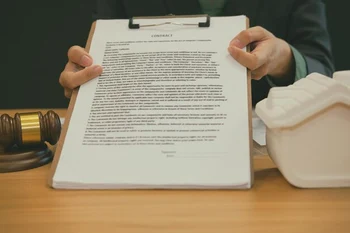
Are you about to sign a housing contract? Be careful! Hidden clauses can become a legal trap that affects your peace of mind and finances. In this article, we will explore how to identify these abusive clauses and protect your rights as a tenant or owner. Knowing your obligations and the rights that assist you is crucial to avoid unpleasant surprises in the future. Don't let the fine print ruin your dream of a safe home.
What are hidden clauses in a housing contract?
Hidden clauses in a housing contract are provisions that, although they may be present in the document, are not clearly explained or adequately highlighted. These clauses often include unfavorable conditions for the tenant or owner, such as additional charges, limitations on modifying the property, or even the waiver of certain legal rights. The lack of transparency can lead to complicated situations where the signatories are not fully aware of the implications they are accepting by signing the contract. It is essential to read every line carefully and question any term that is not completely clear.
Identifying these abusive clauses requires a thorough review of the contract and, in many cases, the advice of an expert in real estate law. Often, hidden clauses are specifically designed to favor the landlord or seller, which can result in significant disadvantages for the tenant or buyer. Therefore, it is important to ask questions and demand clarifications until you feel confident about what you are signing. Knowing your rights and having a clear understanding of the document is essential to avoid unwanted commitments and ensure that your experience with housing is positive and safe.
2. Characteristics of abusive clauses: what you need to know.
Abusive clauses are contractual provisions that impose disproportionate, unbalanced, or unfair conditions on one of the parties involved. In the context of a housing contract, this can manifest in excessive charges for common expenses, disproportionate penalties for late payments, or the imposition of obligations that significantly limit the tenant or owner's ability to enjoy their home. It is essential that before signing any agreement, you carefully review each clause and assess whether they truly reflect a fair balance between both parties.
Another common characteristic of abusive clauses is their lack of transparency. Often, these clauses are presented in confusing or technical language, hidden among the rest of the content of the contract. This makes it difficult for the tenant or owner to fully understand the implications of what they are agreeing to. Therefore, it is advisable to ask for clarifications from the landlord and not hesitate to seek legal advice if something is unclear. Knowing your rights will allow you to make informed decisions and avoid falling into unfavorable situations that could compromise your long-term financial and emotional stability.
3. How to identify potentially harmful clauses.
Identifying potentially harmful clauses in a housing contract requires attention to detail and a critical approach. One of the main red flags is the use of ambiguous or technical language that could confuse. Clauses that seem too good to be true may hide unfavorable conditions, such as sudden rent increases or penalties for early termination. It is essential to read each section carefully, paying special attention to terms like "additional costs," "tenant responsibilities," and "automatic renewal." If anything is unclear, do not hesitate to seek clarifications before signing.
Another key aspect is to be alert to clauses that limit your rights. For example, some provisions may include waivers of your right to file legal claims or demand necessary repairs in the housing. Also, check for restrictions on modifications to the property, such as painting the walls or hanging pictures. A lack of flexibility can be a sign that the landlord is more focused on protecting themselves than on providing you with a comfortable and livable space. Don’t rush; take your time to understand each part of the contract and consider consulting with a specialized lawyer if you find anything suspicious. Your home should be a safe place, and that starts with a fair and transparent contract.
4. Legal consequences of accepting abusive clauses.
Accepting abusive clauses in a housing contract can lead to serious legal consequences that could affect your financial stability and personal well-being. In many cases, these clauses can result in the imposition of disadvantageous conditions, such as the payment of excessive fines or the arbitrary limitation of your rights as a tenant or owner. By accepting terms that have not been fairly negotiated, you could find yourself in situations where you are forced to comply with obligations that are neither equitable nor reasonable, which could lead you to prolonged and costly legal disputes.
It is also important to keep in mind that some abusive clauses may be considered null by law. However, proving their abusive nature can be a complicated process and requires specialized legal knowledge. While you can turn to judicial instances to challenge such clauses, this involves time and resources that you could have avoided if you had paid attention to the details of the contract from the beginning. Therefore, it is always advisable to read each section of the contract carefully and, if necessary, seek legal advice before signing any binding document. Protecting your rights from the outset is essential to ensure a positive experience in your home.
5. Tenant rights against misleading contracts.
Tenants have fundamental rights that protect them against misleading contracts and abusive clauses. It is essential to know these rights in order to act accordingly if you find yourself in a situation that does not conform to what was agreed. First of all, any clause that limits the tenant's ability to exercise their rights, such as the right to privacy or to peaceful use of the dwelling, can be considered null and void. Likewise, landlords are required to provide clear and truthful information about the terms of the contract. Any lack of transparency may result in legal claims from the tenant.
It is also important to remember that tenants have the right to receive reasonable prior notice before any changes to the terms of the lease, as well as the right to request necessary repairs in the property without fear of retaliation. If any clause in the lease seems unfair or disproportionate, the tenant has the option to challenge it legally. Therefore, it is always advisable to read each section of the lease carefully and, if necessary, consult with a professional to ensure that your rights are properly protected and to avoid unwanted surprises in your home.
6. Strategies for negotiating fairer contracts.
When negotiating a housing contract, it is essential to approach the conversation with a clear and well-informed mindset. Before sitting down to discuss the terms, research the local real estate market and familiarize yourself with the average rental or sales prices in the area. This will provide you with a solid foundation to argue your proposals and ensure that you are not accepting disadvantageous conditions. Do not hesitate to raise your concerns about clauses that you find unclear or potentially abusive; a good landlord will be willing to clarify any doubts and adjust the contract to reflect a fairer agreement.
Another key aspect in negotiation is to be flexible yet firm. While it is important to reach a mutually beneficial agreement, you should not compromise your rights or accept unfavorable conditions just to please the owner or real estate agent. Propose reasonable alternatives that offer viable solutions to the contentious points. Additionally, consider including a periodic review clause in the contract, which will allow you to reassess its conditions as market circumstances or your personal needs change. Ultimately, the goal is to achieve a fair contractual relationship that not only protects your interests but also promotes harmonious coexistence between tenants and owners.
7. Legal resources available for those affected by abusive clauses.
When a person is affected by abusive clauses in their housing contract, it is essential to know the legal resources available to assert their rights. First, it is advisable to initiate a mediation or conciliation process with the contracting party, where the contract conditions can be discussed and an amicable agreement sought. This option can not only be less costly and quicker than litigation, but it also allows for maintaining a cordial relationship with the landlord or seller. However, if this route proves ineffective, there are more formal legal mechanisms that can be utilized. In the event that abusive clauses are detected, the affected party can file a complaint with consumer protection agencies or tenant associations. These entities are designed to provide advice and support to those facing disadvantageous situations in their contracts. Furthermore, if the situation warrants it, the affected party has the option to take their case to the competent courts. In this regard, having the support of a lawyer specialized in real estate law can make a difference when arguing and demonstrating how those clauses negatively impact the rights of the tenant or owner. Knowing these resources is essential to protect your home and ensure that your rights are respected.
8. Importance of legal advice when signing a contract.
Legal advice when signing a housing contract is essential to protect your interests and ensure that you fully understand the terms you are committing to. A lawyer specialized in real estate law can help you review the document, identifying hidden clauses that may not be obvious at first glance. These clauses may include unfavorable conditions regarding rent increases, restrictions on subleasing, or penalties for early cancellations. By having expert advice, you can avoid unpleasant surprises that could impact your financial and emotional stability.
In addition, a legal professional can provide you with guidance on your rights and obligations as a tenant or owner. This not only helps you make informed decisions, but also gives you the confidence needed to negotiate better terms in your contract. Investing in legal advice may seem like an additional expense at first, but in the long run, it can save you money and worries by preventing legal conflicts. In an environment where abusive clauses are more common than one might think, having the right support is crucial to ensure that your housing experience is positive and secure.
9. Real stories: cases of hidden clauses and their impacts on tenants.
Stories of tenants who have faced hidden clauses in their contracts are more common than one might think. A notable case is that of Ana, who upon moving into her new apartment discovered a clause that required her to pay an additional amount for maintenance services that she had never requested or used. This situation not only led her to an unexpected expense but also affected her monthly budget and her ability to enjoy her new home. The lack of transparency from the landlord made Ana feel trapped in a contract that did not reflect the reality of her situation.
Another example is Carlos, who found a clause that required him to give 60 days' notice for any intention to terminate the contract, under penalty of losing the deposit. Carlos assumed this was a common practice, but when he had to move due to an unexpected job change, he realized the financial and emotional impact this represented. His story highlights the importance of reading each line of the contract carefully and questioning any unclear or disproportionate terms. Knowing these experiences can help other tenants stay more alert and protect themselves against potential abuses in housing contracts.
Most viewed articles in the category Legal Aspects

Legal implications of confidentiality clauses in contracts
Discover the legal implications of confidentiality clauses in contracts and how they affect your business. Protect your valuable information today..
Legal consequences of force majeure clauses in contracts
Discover the legal implications of force majeure clauses in contracts and how they can affect your rights and obligations..

Legal consequences of errors in the drafting of deeds
Discover the serious legal consequences that can arise from errors in drafting deeds and how to avoid them to protect your interests..

Consequences of the lack of formality in legal contracts
Discover the serious consequences of not formalizing legal contracts. Protect your interests and avoid conflicts with this essential guide..