Legal keys to avoid scams in home buying

Buying a home is one of the most important decisions in anyone's life, but it can also become fertile ground for legal traps. In this article, we will provide essential keys to identify and avoid abusive clauses that can harm your rights as a buyer. Knowing your rights and how to protect yourself against potential fraud will allow you to make informed and secure decisions. Get ready to become a savvy buyer and protect your investment!
What are abusive clauses in sales contracts?
Abusive clauses in sales contracts are provisions that, due to their content or manner of inclusion, impose disproportionate or unfair conditions on one of the parties involved. Generally, these clauses favor the seller or the financial entity to the detriment of the buyer, which can lead to unfavorable situations such as excessive interest payments, waiver of fundamental rights, or the imposition of excessive penalties. Recognizing them is essential to ensure a fair transaction and protect your rights as a buyer.
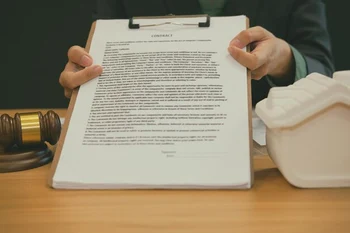
Identifying abusive clauses requires a careful analysis of the contract before signing it. Common examples may include conditions that limit the right to claim for hidden defects, stipulations that allow unilateral changes in prices or interest rates without prior notice, or those that require the buyer to assume unspecified additional costs. It is essential to read each section of the contract thoroughly and seek legal advice if anything is unclear. This precaution will help you avoid unpleasant surprises and ensure that your purchase is fair and secure.
2. Identification of hidden clauses: warning signs to watch for
Identifying hidden clauses is a crucial skill that every homebuyer must develop. Often, contracts may include misleading or difficult-to-understand terms that, if not detected in time, can result in significant financial consequences. A common red flag is the use of complicated legal jargon; if a term or condition is not clearly explained, it likely hides unfavorable implications. Additionally, pay attention to any clause that seems disproportionate concerning your rights as a property owner. For example, conditions that limit your ability to sell the property or impose excessive penalties for noncompliance may be indicative of abuses. Another important aspect to consider is the deadlines and due dates mentioned in the contract. Lack of clarity about when you need to make payments or fulfill certain obligations can be a hidden trap. If the dates seem too tight or unrealistic, this may be a deliberate attempt to create confusion and take advantage of the buyer. It is always advisable to consult a legal professional before signing any document; they can help you identify these dangers and ensure that you understand all the clauses and their impact on your future property. Stay alert and remember that transparency is key in any successful real estate transaction.
3. Consumer rights: how to legally defend yourself
Consumer rights are a fundamental pillar in any purchasing transaction, especially in the housing sector. As a buyer, it is crucial that you know your rights to act appropriately in any adverse situation. This includes the right to receive clear and truthful information about the property's conditions, as well as the right to demand that the agreed terms in the contract are fulfilled. If you detect any irregularity or abusive clause, it is essential that you are prepared to exercise your rights and seek legal advice if necessary. Remember that the law is on your side and protects you against unfair practices. Additionally, an effective way to legally defend yourself is to document all interactions and agreements made during the purchasing process. Keep copies of emails, contracts, and any communication with real estate agents or sellers. If you face a legal problem, having this evidence will be invaluable to support your position. You may also consider the possibility of filing a complaint with government agencies or consumer associations if you feel your rights have been violated. Being proactive and informed about your legal options not only empowers you as a buyer but also helps you avoid common traps in home buying.
4. Common examples of abusive clauses in the real estate market
One of the most common examples of abusive clauses in the real estate market is the inclusion of disproportionate penalty clauses. These stipulations often establish excessive fines for the buyer in case of breach, which can create an unsustainable financial burden. For example, if a buyer decides to withdraw from the purchase for legitimate reasons, the clause could require them to pay an amount that significantly exceeds what was initially agreed upon. It is essential to read each section of the contract carefully and question any penalty that does not adhere to principles of reasonableness and proportionality.
Another critical aspect is the clauses that limit or exclude the seller's liability in case of hidden defects or structural issues in the property. Sometimes, contracts include provisions that exempt the seller from any type of claim after the sale, leaving the buyer unprotected against potential unpleasant surprises. This situation can be especially detrimental if significant problems arise after closing the sale. To avoid falling into this trap, it is advisable to include clear warranties about the condition of the property and ensure that any known defects are properly documented before signing the contract.
5. Importance of legal review before signing a contract
Before signing a home purchase agreement, it is crucial to conduct a thorough legal review. This step not only involves reading the terms and conditions of the agreement but also understanding each clause in its entirety. A real estate attorney can identify potential legal pitfalls that may not be obvious to the average buyer, such as abusive clauses or hidden rights that could affect the property in the long term. This review provides an additional layer of security that ensures your investment is protected and that you are fully aware of your responsibilities and rights.
Additionally, legal review allows for better negotiation of the contract terms before signing. If irregularities or unfavorable terms are detected, having a qualified legal advisor gives you the opportunity to propose modifications to the seller or even reconsider the purchase if the conditions are unacceptable. At the end of the day, this process not only protects your invested capital but also contributes to a smoother and more reliable closing, ensuring that every transaction is aligned with the law and your personal interests. Remember, prevention is always better than regret when it comes to such a significant investment as purchasing a home.
6. Resources available to report unfair practices
To ensure that your rights as a homebuyer are protected, it is crucial to know the resources available to report unfair practices. There are various institutions and organizations dedicated to consumer protection, where you can file complaints or reports if you feel you have been a victim of any type of fraud or abusive clause. These can include consumer associations, government consumer protection offices, and online platforms dedicated to defending the rights of buyers. Additionally, many of these organizations often offer free or low-cost legal advice to help you understand your situation and what steps to take.
It is also important to keep in mind that you can resort to the judicial realm if unfair practices persist. The law provides legal mechanisms to defend yourself, such as civil lawsuits for breach of contract or claims for damages. Before reaching this stage, we recommend gathering all documentation related to the purchase and any communication with the seller or real estate agent. Having a clear record not only strengthens your case but also facilitates the work of attorneys specialized in real estate law, who can guide you on the best actions to take in adverse situations. Knowing these resources empowers you to act against possible irregularities and thus protect your most valuable investment.
7. Practical tips for negotiating fair terms in your contract
Negotiating fair terms in your home purchase contract is essential to ensure that your investment is protected. Before signing any document, it is crucial to take the necessary time to review each clause and discuss them with the seller. Do not hesitate to ask questions about terms you do not understand or consider disadvantageous. Open communication can lead to adjustments that benefit both parties, and often, sellers are willing to be flexible if they feel comfortable with the process.
Another practical tip is to have the support of a real estate lawyer during the negotiation. This professional can provide you with expert insight into the contract terms and help you identify potential legal pitfalls hidden within the clauses. Additionally, a lawyer can advise you on drafting additions or modifications to the contract that ensure your rights as a buyer and prevent future conflicts. Remember that negotiating is not just about getting a fair price, but also about establishing equitable and clear terms that protect your long-term interests.
Most viewed articles in the category Legal Aspects

Legal implications of confidentiality clauses in contracts
Discover the legal implications of confidentiality clauses in contracts and how they affect your business. Protect your valuable information today..
Legal consequences of force majeure clauses in contracts
Discover the legal implications of force majeure clauses in contracts and how they can affect your rights and obligations..

Legal consequences of errors in the drafting of deeds
Discover the serious legal consequences that can arise from errors in drafting deeds and how to avoid them to protect your interests..

Consequences of the lack of formality in legal contracts
Discover the serious consequences of not formalizing legal contracts. Protect your interests and avoid conflicts with this essential guide..