Protect your investment: legal keys for homebuyers

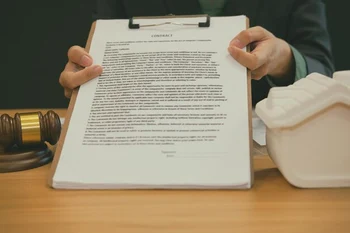
Protecting your investment when buying a home is essential, especially in a market where abusive clauses can jeopardize your assets. In this article, we will provide you with essential legal keys that every buyer should know to avoid unpleasant surprises. You will learn to identify and combat clauses that could harm your rights and finances. Don't let a lack of information work against you!
1. What are abusive clauses? Definition and examples.
Abusive clauses are contractual provisions that impose disproportionate or unfair conditions on one party, typically the consumer. In the context of home buying, these clauses can drastically limit the rights of the buyer or impose excessive obligations on them. For example, a clause that allows the seller to unilaterally modify the price of the property without adequate justification is considered abusive. These conditions are often designed to benefit the seller at the expense of the buyer, creating an imbalance in the contractual relationship that can be detrimental to the one acquiring the home.
Recognizing abusive clauses is crucial to protect your investment and avoid unpleasant surprises in the future. Some common examples include provisions that exclude the seller's liability for hidden defects in the property or those that grant excessively short deadlines for making claims. Legislation often considers such clauses null or unenforceable, but identifying them requires attention and knowledge from the buyer. By being informed about these practices, you can negotiate with greater confidence and ensure that your contract is fair and equitable, thereby safeguarding your rights as a property owner.
2. Main risks associated with abusive clauses in housing contracts.
Abusive clauses in housing contracts are provisions that unfairly imbalance the obligations and rights of the involved parties, generally to the detriment of the buyer. These elements can include hidden conditions, disproportionate penalties, or excessive limitations on the exercise of fundamental rights such as ownership or use of the property. By signing a contract that contains such clauses, the buyer may encounter unexpected restrictions that affect their ability to make changes to the property or even hinder its future sale. These types of risks not only compromise the economic investment but can also affect the quality of life of the owner.
Another significant risk associated with abusive clauses is the potential financial loss. For example, some provisions may require the buyer to incur additional costs for services that should already be covered in the original contract, such as maintenance or insurance. Furthermore, if a legal dispute arises due to a poorly drafted or unfair clause, legal expenses can increase significantly, representing an additional and unforeseen financial impact. Therefore, it is crucial to read each term and condition of the housing contract carefully before signing it and to seek legal advice when necessary to ensure that your rights are adequately protected.
3. Costa Rican legislation on consumer protection in real estate.
Costa Rican legislation establishes a series of regulations that protect consumers in the real estate sector, thus ensuring safety and transparency in real estate transactions. The Consumer Protection Law is fundamental in this context, as it regulates aspects such as misleading advertising and abusive clauses in contracts. This law ensures that all information provided by sellers is clear and truthful, allowing buyers to make informed decisions without fear of unpleasant surprises that could affect their investment.
In addition to the Consumer Protection Law, there are specific regulations related to the buying and selling of properties, such as the Civil Code and the Securities Market Regulatory Law. These legal provisions are essential for protecting the rights of the buyer, establishing clear requirements regarding the delivery of the property and the responsibilities of the seller. It is vital for buyers to know their rights and feel empowered to demand compliance with these laws, thus avoiding unfavorable situations that could compromise their long-term assets.
4. How to identify abusive clauses before signing a contract.
When signing a home purchase agreement, it is crucial to pay attention to clauses that may be abusive. These are those that impose disproportionate or unfair conditions, limiting your rights as a buyer. To identify them, it is advisable to read each article of the contract carefully and look for terms that seem excessively favorable to the seller. Words like "irrevocable," "exclusivity," or "high penalty" in case of breach can be indicators of an abusive clause. If something seems unclear, do not hesitate to ask for clarifications and consider consulting a lawyer specialized in real estate law.
It is also important to familiarize yourself with current legislation that protects consumers in the real estate sector. Many countries have specific regulations that prohibit unfair clauses and establish fundamental rights for buyers. Researching these laws will give you greater confidence when reviewing a contract, allowing you to question aspects that seem excessive or unreasonable. Remember that your signature represents a significant financial commitment; therefore, equipping yourself with knowledge and appropriate information is key to avoiding legal traps. Do not spare efforts in thoroughly reviewing the contract: protecting your investment starts here.
5. Legal consequences of accepting abusive clauses.
Accepting abusive clauses in a sales contract can have serious legal consequences for the buyer. These clauses, which are often disproportionate and favorable to the seller, can limit the buyer's rights or impose excessive obligations on them. In many cases, courts have annulled such clauses as they are considered contrary to good faith and public order. However, it is essential for the buyer to be alert and recognize the implications of unconditionally accepting what is presented to them. Ignoring these risks can lead to a complicated financial situation and even the loss of the property.
In addition to potential financial losses, accepting abusive clauses can result in a prolonged legal process if you decide to challenge those conditions in the future. Lack of adequate information about your rights as a consumer puts you in a vulnerable position against unfair practices by promoters or sellers. It is essential to know the local laws that protect buyers and seek legal advice before signing any document. Prevention is key; informing yourself and acting diligently will allow you to protect your investment and ensure that your purchase is safe and beneficial in the long term.
6. Steps to take if you find an abusive clause in your contract.
If you find an abusive clause in your sales contract, the first thing you should do is analyze it carefully. Identify which aspects of the clause may be considered disproportionate or unfair. Abusive clauses often limit your rights as a buyer or impose excessive obligations, so it is important to document all the details and understand how they affect you. Gather all relevant information, including the complete contract and any communication related to the negotiation.
The next step is to consult a lawyer specialized in real estate law. An expert will be able to offer you guidance on the validity of the clause and the possible legal actions you can take. If it is determined that it is indeed an abusive clause, the lawyer can help you initiate a claim process or even negotiate with the seller to modify the contract. Remember that acting quickly is key to protecting your rights and your investment; do not let a harmful clause compromise your long-term assets.
7. Legal resources and support available for affected buyers.
When facing complicated situations as a homebuyer, it is essential to know the legal resources and support available to protect your rights. There are various organizations and government entities that offer assistance to buyers affected by abusive practices in the real estate sector. From consumer advocacy offices to homeowners' associations, these resources can provide legal guidance, advice on how to file complaints, and, in some cases, legal representation. Do not underestimate the importance of these institutions; their expertise can be crucial in resolving disputes and ensuring that your rights are respected.
It is also advisable to inform yourself about local and national laws that regulate the real estate market. Many jurisdictions have laws specifically designed to protect buyers against abusive or misleading clauses in purchase agreements. Consulting with a lawyer specialized in real estate can be a valuable investment, as they can provide you with a detailed analysis of the contract before you sign it and help you identify any irregularities. Knowing your rights and having the right support will allow you to face any challenges with confidence and ensure that your investment is adequately protected.
8. Strategies for negotiating contracts without detrimental clauses.
Negotiating home purchase contracts can be an intimidating process, but having effective strategies can make a difference. First, it is essential to prepare by researching both the real estate market and common practices in purchase contracts. Take the time to read and understand each clause of the proposed contract. Identify those that may be detrimental, such as those that limit your ability to rescind or impose excessive penalties. Good preparation will give you confidence during the negotiation and allow you to argue your position clearly.
Additionally, do not hesitate to actively negotiate. Communicate your concerns to the seller or the real estate agent and propose reasonable modifications to any clauses you find problematic. Often, sellers are willing to negotiate certain terms to close the sale. You may also consider involving a lawyer specialized in real estate; their expertise can help you identify hidden risks and ensure that the contract is fair. Remember that protecting your investment is a priority: do not be afraid to request changes until you feel completely comfortable with the terms before signing any document.
Most viewed articles in the category Legal Aspects

Legal implications of confidentiality clauses in contracts
Discover the legal implications of confidentiality clauses in contracts and how they affect your business. Protect your valuable information today..
Legal consequences of force majeure clauses in contracts
Discover the legal implications of force majeure clauses in contracts and how they can affect your rights and obligations..

Legal consequences of errors in the drafting of deeds
Discover the serious legal consequences that can arise from errors in drafting deeds and how to avoid them to protect your interests..

Consequences of the lack of formality in legal contracts
Discover the serious consequences of not formalizing legal contracts. Protect your interests and avoid conflicts with this essential guide..