Protect your investment: legal keys to avoid abuses in housing

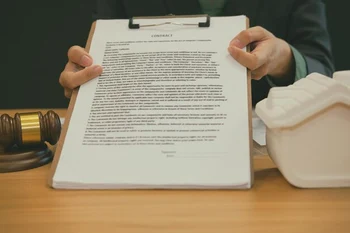
Protecting your investment in housing is essential, and understanding abusive clauses may be the key to avoiding unpleasant surprises. In this article, we will explore the legal aspects that will help you identify and combat unfair practices in rental and purchase agreements. With clear and persuasive information, you will learn how to safeguard your rights as a homeowner or tenant, ensuring that your home remains a safe and fair space.
1. What are abusive clauses? Definition and examples.
Abusive clauses are provisions in contracts that, due to their content or form, unfairly imbalance the rights and obligations of the parties involved, favoring one of them. These clauses are often unilaterally imposed by the stronger contractor, such as financial entities or landlords, and often go unnoticed by the average consumer. They tend to be written in complex or confusing terms that hinder the understanding of the real impact they can have on the contractual relationship. Therefore, it is essential that both owners and tenants are able to identify these clauses before signing any agreement. A common example of an abusive clause can be found in lease agreements where excessive penalties for breach are stipulated, such as the obligation to pay several months of rent in advance if the tenant decides to leave the property before the agreed time. Another frequent practice is the inclusion of clauses that allow the owner to increase the rent without adequate justification or without reasonable prior notice. Recognizing these examples is crucial to protecting your rights and ensuring fair treatment in any transaction related to your housing.
2. Identification of abusive clauses in housing contracts.
Identifying abusive clauses in housing contracts is essential to protect your investment and ensure that your rights are respected. These clauses may include conditions that disproportionately favor one party, such as excessive penalties for late payments, the obligation to waive fundamental rights, or clauses that limit the tenant's or owner's ability to make improvements to the property. Carefully review each section of the contract and look for terms that seem unfair or inequitable. Remember that a contract should be a fair agreement between both parties, and any provision that creates imbalance deserves attention.
It is also important to be aware of local and national regulations regarding leases and property sales, as these laws establish clear limits on what is considered an abusive clause. For example, some jurisdictions explicitly prohibit certain practices such as charging exorbitant fees or including terms that prevent the tenant from subletting the property without valid justification. By knowing your legal rights, you can challenge any clause you consider abusive and demand its removal before signing the contract. This way, you ensure not only your personal protection but also a fairer environment for everyone involved in the real estate process.
3. Costa Rican regulations on abusive clauses.
In Costa Rica, the regulations regarding abusive clauses are framed within the Civil Code and the Consumer Protection Law. These legal provisions establish that any clause that infringes upon the rights of the consumer or imposes disproportionate conditions is considered null and void. Therefore, it is essential for both landlords and tenants to be aware of their rights and the limitations imposed by the law. Abusive clauses may include conditions such as excessive penalties for late payments, waivers of fundamental rights, or the inability to terminate the contract under reasonable circumstances.
Additionally, the National Institute for Consumer Defense plays an active role in monitoring and regulating these unfair practices. Consumers have the right to report any irregularities to this institution, which can intervene to protect their interests. It is essential for those involved in real estate transactions to understand how to identify these abuses and to stay informed about their legal rights to act accordingly. By being aware of these regulations, you can build a safer and fairer environment in your home, thus avoiding unpleasant surprises that could compromise your investment.
4. Consumer rights against unfair clauses.
Consumers have fundamental rights that protect them from unfair clauses in housing-related contracts. These clauses may include disproportionate conditions, excessive penalties, or limitations on basic rights, such as access to essential services. It is crucial for both landlords and tenants to be informed about their ability to challenge these provisions. Legislation often provides tools to question and annul agreements that do not respect fairness and balance in contractual relationships, thereby ensuring fair treatment.
It is also important to know the defense mechanisms available in situations of abuse. Consumers can turn to consumer protection agencies or seek legal advice to assess the validity of suspicious clauses and determine if there is a breach by the landlord or seller. Staying informed about the rights and resources available empowers tenants and property owners, allowing them to make more informed and secure decisions when signing a contract. Ultimately, recognizing and combating abusive clauses not only protects your investment but also promotes a fairer housing environment for all.
5. How to proceed in the face of an abusive clause: legal steps.
When you encounter an abusive clause in your housing contract, the first thing you should do is clearly identify it. This involves carefully reading the document and highlighting those terms that you consider disproportionate or that limit your rights as a tenant or owner. Once identified, it is essential to document any communication related to the clause, as well as gather evidence that supports your position. This initial step is crucial to strengthen your case in the future and ensure that you are well-prepared for any legal actions that may follow. The next step is to try to resolve the situation amicably and directly with the other party. You can send a formal letter requesting the modification or removal of the abusive clause, explaining the reasons why you believe it does not comply with the law or contractual justice principles. If this option does not yield results, do not hesitate to seek specialized legal advice. An attorney experienced in real estate law can guide you on how to proceed legally, evaluate your options, and, if necessary, represent you in court to defend your rights and protect your investment. Remember that taking proactive action can make a difference in resolving conflicts related to your home.
6. Real cases: victims of abusive clauses in Costa Rica.
In Costa Rica, several cases have come to light where landlords and tenants have been victims of abusive clauses in their rental agreements. For example, there are testimonies from tenants who encountered disproportionate rent increases without prior notice, which not only caused them financial stress but also uncertainty about their home. Some contracts included clauses that allowed the landlord to terminate the agreement without clear justification, leaving tenants in a precarious situation. These examples highlight the importance of reading each detail of the contract carefully before signing.
Furthermore, in the realm of buying and selling, situations have been documented where buyers were deceived by hidden clauses that limited their rights to make modifications to the property or even forced them to pay unexpected fees. These types of practices not only affect the economic well-being of individuals but can also lead to prolonged and costly legal conflicts. The accumulated experience of those who have faced these issues highlights the urgent need to be well-informed about the clauses of the contract and to have adequate legal advice to protect against potential abuses.
7. Practical tips for drafting a secure housing contract.
Drafting a housing contract is essential to protect your rights and avoid future conflicts. To begin with, it is crucial to include all relevant details about the property, as well as the obligations and rights of both parties. Make sure to specify the amount of rent or sale price, the duration of the contract, and the conditions for its renewal or termination. Don't forget to add clauses that address common situations, such as the handling of deposits, property maintenance, and procedures in case of breach. The clearer and more detailed the contract is, the easier it will be to avoid misunderstandings.
Another important recommendation is that all contracts be signed by both parties with a date and witnesses if possible. This not only formalizes the agreement but also provides a solid legal foundation in case of disputes. Additionally, consider including an annex with the necessary documents, such as copies of identifications or payment receipts, which will facilitate the verification of the information provided. Finally, consider consulting a legal professional before signing any document; their expertise can be invaluable in detecting abusive clauses or hidden risks that could compromise your long-term investment.
8. Resources and organizations that protect your rights as a tenant or homeowner.
To ensure your rights as a tenant or property owner, it is essential to have the support of resources and organizations that specialize in consumer protection. Many jurisdictions offer free or low-cost legal services that can help you better understand your situation and identify abusive clauses in lease or purchase agreements. These services often include legal advice, mediation between parties, and, in some cases, legal representation in more complex situations. Additionally, some non-governmental organizations are dedicated exclusively to advocating for the rights of tenants and property owners, providing valuable information about local laws and available resources. On the other hand, it is advisable to stay informed about tenant and landlord associations operating in your area. These entities not only provide support and guidance but also conduct campaigns to promote changes in public policies related to housing. Participating in these organizations can be an excellent way to stay informed about best practices and legal updates that may affect your situation as a property owner or tenant. By joining these support networks, you can share experiences and obtain practical advice that helps protect your investment while contributing to the overall well-being of the housing environment.
Most viewed articles in the category Legal Aspects

Legal implications of confidentiality clauses in contracts
Discover the legal implications of confidentiality clauses in contracts and how they affect your business. Protect your valuable information today..
Legal consequences of force majeure clauses in contracts
Discover the legal implications of force majeure clauses in contracts and how they can affect your rights and obligations..

Legal consequences of errors in the drafting of deeds
Discover the serious legal consequences that can arise from errors in drafting deeds and how to avoid them to protect your interests..

Consequences of the lack of formality in legal contracts
Discover the serious consequences of not formalizing legal contracts. Protect your interests and avoid conflicts with this essential guide..