
Tips to avoid abusive clauses in your home purchase

Save the articles and properties you like so you always have them at hand.
Create a free account
Avoiding abusive clauses in home purchases is crucial to protect your investment and your rights as a buyer. In the dynamic Costa Rican real estate market, we often encounter conditions that can be unfavorable or misleading. This article will provide you with practical tips and effective strategies to identify and negotiate these clauses, ensuring that your purchasing experience is fair and transparent. Get ready to make informed decisions and empower yourself in the process of acquiring your home!
What are abusive clauses?
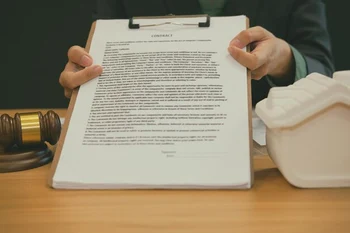
Abusive clauses are those conditions established in a contract that create an evident disproportion between the rights and obligations of the parties involved, unfairly favoring one of them. In the context of home buying, these clauses can manifest in the form of excessive penalties, limitations on the seller's liability, or impositions that restrict the buyer's rights. Identifying these types of clauses is essential to avoid future conflicts and ensure that your investment is protected. It is important to note that abusive clauses are not always obvious at first glance and may be written in complex legal language that makes them difficult to understand. Therefore, it is essential to read each section of the contract carefully and, if necessary, consult with a lawyer specialized in real estate law. By being aware of what constitutes an abusive clause, you can negotiate more equitable conditions and ensure that your experience in buying a home is fair and beneficial for you as a buyer.Advertisements
2. Identification of common abusive clauses in real estate contracts
The identification of abusive clauses in real estate contracts is essential to avoid unpleasant surprises in the future. Among the most common clauses that can be detrimental are those that limit the rights of the buyer, such as those that establish excessive penalties for contract cancellation or exclusivity clauses that prevent the buyer from seeking other options within a specified period. Additionally, it is important to be wary of conditions that allow the seller to unilaterally modify the terms of the contract, which can leave the buyer in a vulnerable situation with no options. Another aspect to consider is the clauses related to financing and additional costs. Often, hidden charges or high interest rates are included that are not clearly explained at the time of signing. It is also common to find provisions that require advance payments without guaranteeing the effective delivery of the property. Therefore, it is advisable to read each section of the contract carefully and not hesitate to ask for clarifications on any points that may seem unclear or disadvantageous. By being aware of these abusive clauses, you will be able to negotiate better terms and protect your interests during the purchasing process.3. The importance of reading the fine print
The fine print of a contract is a fundamental aspect that many people tend to overlook in the home buying process. This text, often found in a small size and with technical language, contains crucial information about the terms of the agreement. Ignoring these details can lead to unpleasant surprises, such as additional costs, penalties, or limitations on the property. Therefore, taking the time to read and understand each clause is essential to protect your rights and your investment. Furthermore, understanding the fine print allows you to identify potential abusive clauses that could harm you in the long run. For example, you might find terms related to price adjustments, variable interest rates, or restrictions on the future sale of the property. Being aware of these conditions from the beginning allows you to negotiate better with the seller or even seek more favorable alternatives. In summary, carefully reading the fine print not only empowers you as a buyer but also helps you make more informed and secure decisions on your path to acquiring your ideal home.4. How to negotiate more favorable terms with the seller
Negotiating more favorable terms with the seller is an essential part of the home buying process that should not be underestimated. Before entering into negotiations, it is crucial to conduct thorough research on the real estate market, the prices of similar properties, and the current conditions of the sector. With this information in hand, you can present solid arguments that support your proposals and demonstrate to the seller that you are well-informed. Additionally, if you identify potentially abusive clauses in the initial contract, you can use them as starting points to discuss modifications that benefit both parties.The key to a successful negotiation also lies in establishing a cordial and open relationship with the seller. Listening to their needs and concerns will allow you to find common ground and build trust. Do not hesitate to raise your concerns regarding certain terms of the contract; often, sellers are willing to make concessions if they feel there is a genuine interest from the buyer. Remember that negotiation is a collaborative process: by working together towards a fair agreement, both you and the seller can benefit and avoid future conflicts related to abusive clauses.5. Legal resources available for buyers in Costa Rica
Homebuyers in Costa Rica have various legal resources that can be essential for protecting their rights and avoiding abusive clauses. First, the Consumer Protection Law establishes clear regulations regarding fair commercial practices, which includes the regulation of adhesion contracts, such as those commonly used in real estate transactions. This law allows buyers to challenge disadvantageous conditions and seek compensation if they believe their rights have been violated. It is crucial for buyers to be aware of this legislation, as it provides them with a solid legal foundation to defend their position against any irregularities.It is also advisable to turn to consumer advocacy organizations or real estate associations in Costa Rica, which offer legal advice and support. These entities can provide valuable information about the buyer's rights and help identify potentially abusive clauses before signing a contract. You might also consider consulting with a lawyer specialized in real estate law. An expert in the field can review the contract before your signature and point out any unfavorable or misleading terms, thus ensuring a safer and more transparent purchase. Familiarizing yourself with these resources not only empowers the buyer but also contributes to creating a more equitable and fair market for everyone.6. Consequences of accepting abusive clauses
Accepting abusive clauses in the purchase of a home can have serious consequences for the buyer, compromising not only their financial investment but also their peace of mind and rights. These clauses often include disadvantageous conditions that favor the seller or developer, such as excessive penalties for non-compliance or the obligation to waive fundamental rights. By signing a contract with these types of stipulations, the buyer exposes themselves to situations where they could lose money without justification or be forced to accept unfavorable conditions that limit their legal options in case of disputes.Additionally, abusive clauses can create a sense of distrust and stress throughout the home acquisition process. The lack of clarity and transparency in the terms can lead to misunderstandings that impact the relationship between the parties involved. Ultimately, accepting these unfair conditions not only affects the buying experience but can also have long-term financial repercussions, preventing the buyer from fully enjoying their new home. Therefore, it is essential to stay vigilant and seek proper advice to avoid falling into these legal traps that can jeopardize your financial security.7. The role of the lawyer in contract review
The role of the lawyer in contract review is essential to ensure that your home purchase is carried out without unpleasant surprises. A lawyer specialized in real estate law not only has the ability to identify abusive clauses but can also interpret the legal language of contracts, which often proves confusing for those not familiar with it. Their expertise will allow you to understand the legal implications of each term and condition, ensuring that you are fully informed before signing any document. Additionally, they can advise you on local regulations and specific buyer rights that may be relevant to your particular case.Having a lawyer during the contract review process is not only a preventive measure but also an invaluable support in case of future disputes. If disadvantageous or misleading clauses are detected, your lawyer can negotiate changes with the seller or their legal representative, providing you with greater security in the transaction. Ultimately, investing in legal services not only protects your immediate interests but also contributes to a smoother and more satisfying experience in acquiring your home. So, do not underestimate the importance of having a professional by your side; their knowledge can make the difference between a successful purchase and a legal nightmare.8. Abusive clauses in mortgages: what you need to know
Abusive clauses in mortgages are contractual provisions that can create significant disadvantages for the buyer. These conditions, often hidden or written in complicated language, may include disproportionate interest rates, excessive penalties for early payments, or the imposition of unnecessary insurance. It is crucial for you as a buyer to be vigilant and understand every aspect of the contract before signing it. The key is to carefully read all the terms and seek legal advice if necessary, as this will allow you to detect any signs of abuse and avoid unpleasant surprises in the future.It is also important to know your rights as a consumer when negotiating your mortgage. Laws protect buyers against clauses that are considered abusive or unfair. Therefore, do not hesitate to question any term that seems unfair or unreasonable; it is your right to demand clear and precise explanations. Being informed about current regulations and having the help of a real estate expert can be a great ally to ensure that your contract does not contain harmful clauses. This way, you can enjoy your new home without worries or unexpected burdens arising from a poorly structured mortgage.9. Real stories: experiences of buyers affected by abusive clauses
Stories of buyers who have faced abusive clauses in the purchase of their homes are more common than they seem. Many have found themselves trapped in contracts that included hidden penalties or unfavorable conditions, which were not clearly explained during the buying process. For example, a buyer recounted how, after signing an apparently standard contract, he discovered that his mortgage included a variable interest rate that could increase drastically after the first year. This not only affected his personal finances but also his peace of mind knowing that his home was subject to an uncertain financial burden. These experiences highlight the importance of reading each clause carefully and seeking legal advice if necessary.Other stories illustrate the emotional and financial impact that these abusive clauses can have on the everyday lives of buyers. One family shared how they felt disillusioned and vulnerable after realizing they had paid thousands extra due to hidden charges for services not rendered related to the property. The frustration and stress generated by this situation led them to rethink the entire buying experience, which could have been avoided with more research and a thorough review of the contract before signing. These accounts serve as warnings for future buyers: being informed and proactive can make the difference between a secure investment and an experience filled with unexpected complications.Advertisements
More in Abusive Clauses

Legal Aspects, Abusive Clauses
Protect your investment: keys to identify misleading clauses
+30 days
3 views

Legal Aspects, Abusive Clauses
How to secure a housing contract free of abusive clauses
+30 days
3 views

Legal Aspects, Abusive Clauses
Abusive clauses in home purchases and how to effectively avoid them.
+30 days
3 views

Legal Aspects, Abusive Clauses
Abusive clauses: how to identify them and take legal action
+30 days
3 views
Most viewed in Legal Aspects

Legal Aspects, Contracts
Legal implications of confidentiality clauses in contracts
+30 days
3,433 views
Legal Aspects, Contracts
Legal consequences of force majeure clauses in contracts
+30 days
3,012 views

Legal Aspects, Contracts
Consequences of the lack of formality in legal contracts
+30 days
2,974 views

Legal Aspects, Deeds
Legal consequences of errors in the drafting of deeds
+30 days
2,969 views