Legal aspects that ensure a successful home purchase

Buying a home is one of the most important decisions in anyone's life, and ensuring that this process is successful involves understanding the legal aspects surrounding it. In Costa Rica, knowing the appropriate contracts and regulations can make the difference between a good or bad deal. This article will guide you through the key elements you should consider to protect your investment and ensure a smooth transaction. Get ready to discover how to make your dream of homeownership a secure reality.
1. The importance of the sales contract: essential elements
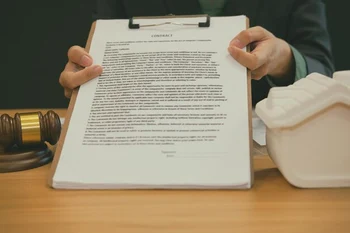
The sale of a property is a process that involves several essential elements that must be clearly established in a contract. This document not only serves as proof of the transaction but also protects the rights and obligations of both parties: the seller and the buyer. Among the fundamental elements of the contract are the precise identification of the involved parties, a detailed description of the property, the agreed price, and the payment conditions. It is also essential to include clauses about possible contingencies, such as obtaining financing or conducting pre-purchase inspections. These aspects help prevent misunderstandings and future disputes.
Another crucial element in the purchase agreement is the inclusion of warranties that assure the buyer about the legal status of the property. This involves verifying that there are no liens or encumbrances on the property, as well as ensuring that the seller has full capacity to carry out the sale. Furthermore, it is recommended to establish a clear timeline for the delivery process of the property and any other relevant conditions for both parties. Clarity on these points not only facilitates a smooth transaction but also provides peace of mind to the buyer knowing that their investment is legally protected. Ultimately, understanding each of these elements is essential to ensure a successful and hassle-free purchase.
2. Essential clauses in a real estate contract
When approaching the purchase of a property, it is essential that the real estate contract includes clauses that protect both the buyer and the seller. Among the most indispensable is the clause for the identification of the parties, which must clearly detail who is involved in the transaction. This not only helps to avoid confusion but is also crucial to ensure that all documents and procedures are valid and in order. Furthermore, it is vital to include a clause for the description of the property, where characteristics such as location, boundaries, and any additional assets that are part of the sale, whether a parking space or a garden, are specified.
Another vital clause is related to the price and payment conditions. This section should detail the total amount to be paid, as well as the payment schedule and possible penalties for non-compliance. It is also recommended to incorporate a clause about the condition of the property, where it is explicitly stated whether there are known defects or if it is accepted "as is." Finally, no less important is to include a dispute resolution clause; this can provide for alternative methods such as mediation or arbitration in case of future disagreements. Having these essential clauses ensures that both parties have clarity about their rights and obligations, which is key to a successful purchase.
3. Document verification: what do you need to review?
Document verification is a crucial step in the process of purchasing a home, as it ensures the legality and validity of the transaction. It is essential to review the property title to ensure that the seller is the legitimate owner and that there are no liens or encumbrances on the property. Additionally, you should request a certification from the National Registry confirming that the property is free of mortgages, liens, or any other type of limitation. This document will provide you with security regarding the rights you acquire at the time of purchase, protecting your investment in the long term.
Another important aspect to consider is the review of cadastral plans and building permits. Make sure that the property has all the necessary permits for its construction and use. This includes verifying whether it complies with local urban regulations, as well as whether any modifications have been made without authorization. The lack of these documents can lead to future legal issues and even jeopardize your right to the property. Therefore, it is advisable to seek specialized legal advice to help you carry out this thorough verification and thus ensure a safe and reliable purchase.
4. Rights and obligations of the buyer and seller
The rights and obligations of the buyer and seller are fundamental to ensuring a fair and transparent housing transaction. The buyer has the right to receive clear and truthful information about the property, including its physical and legal condition and any encumbrances or liens that may be associated. They also have the obligation to conduct a thorough analysis of the documentation related to the property, as well as to comply with the deadlines established in the purchase agreement. On the other hand, the seller has the duty to deliver the property in the agreed-upon condition and to ensure that there are no legal issues that could affect the transfer of the asset.
It is essential for both parties to be aware of their rights to avoid future conflicts. For example, if a hidden defect is discovered in the property after the purchase, the buyer may have the right to claim damages from the seller. Likewise, the seller must ensure that all required documents are in order before closing the sale, as any irregularity could lead to legal liabilities. Understanding these dynamics not only strengthens the relationship between buyer and seller but also protects the financial and emotional interests involved in this significant process.
5. The role of the notary: their role in home buying
The figure of the notary is fundamental in the process of purchasing a home, as they act as an impartial intermediary and expert in the field. In Costa Rica, the notary not only has the responsibility of formalizing the sales contract but also verifies the legality of the documents involved in the transaction. This includes reviewing the title of property, ensuring that there are no liens or encumbrances that could affect the new owner. In this way, their role is key to providing legal security and confidence to both the buyer and the seller. Furthermore, the notary has the obligation to advise the parties on their rights and obligations during the purchasing process. This involves explaining the legal implications of the contract and ensuring that all terms are clear and fair. Additionally, they are responsible for carrying out the necessary procedures before the Registro Nacional to register the property in the name of the new owner. Having a competent notary can make a significant difference, as their expertise protects buyers from potential future conflicts and ensures that the transaction is conducted in accordance with current laws.
6. Property registration: securing your investment legally
The property registration is a crucial step in the process of buying a home, as it ensures that your investment is legally protected. By registering the property in your name, you not only obtain official recognition as the owner, but also avoid future conflicts related to the ownership of the property. In Costa Rica, this procedure is carried out at the Registro Nacional and is essential to ensure that there are no liens or limitations on the property that could affect your right to fully enjoy it. Thus, by ensuring that all documents are in order and properly registered, you can sleep peacefully knowing that your investment is backed by the law. Moreover, property registration facilitates future transactions and provides legal security against third parties. If at any time you decide to sell your house or request a loan using the property as collateral, having a clear and updated registration will be a great ally. It is also important to mention that this process helps maintain a transparent history of the property, which can be decisive for potential buyers in the future. Therefore, taking the time to understand and correctly complete the property registration is an essential action to consolidate a successful purchase and protect your long-term interests.
7. Legal consequences for breach of contract
The breach of a real estate sales contract can lead to serious legal consequences for both the buyer and the seller. First, it is essential to understand that contracts are binding documents that establish rights and obligations for both parties. If one party fails to comply with the agreement—either by not making the payment on the stipulated date or by not delivering the property in the agreed conditions—the other party may sue for damages. This could include the recovery of the amount paid, as well as any additional damages that have arisen due to the breach. Furthermore, the legal consequences can extend beyond simple financial compensation. In some cases, the forced execution of the contract may be requested, which would compel the breaching party to fulfill their contractual obligations. This process can become lengthy and costly, affecting not only the initial investment but also the time and emotional resources of those seeking to establish their home. Therefore, it is crucial to have appropriate legal advice before signing any document related to the purchase of a home, ensuring that all terms are clear and fair for both parties involved.
Prevention is always better than cure, and knowing these legal implications will allow you to make informed decisions throughout the purchasing process.
Most viewed articles in the category Legal Aspects

Legal implications of confidentiality clauses in contracts
Discover the legal implications of confidentiality clauses in contracts and how they affect your business. Protect your valuable information today..
Legal consequences of force majeure clauses in contracts
Discover the legal implications of force majeure clauses in contracts and how they can affect your rights and obligations..

Legal consequences of errors in the drafting of deeds
Discover the serious legal consequences that can arise from errors in drafting deeds and how to avoid them to protect your interests..

Consequences of the lack of formality in legal contracts
Discover the serious consequences of not formalizing legal contracts. Protect your interests and avoid conflicts with this essential guide..