Legal aspects that guarantee your investment in housing

Are you thinking about investing in a home? Understanding the legal aspects surrounding it is essential to protect your investment. In Costa Rica, a well-structured contract not only guarantees your rights as a buyer but also prevents future conflicts. This article will guide you through the key elements you should consider when signing any agreement related to real estate, ensuring that your investment is backed by the law. Discover how to safeguard your assets and make informed decisions!
1. Importance of the purchase agreement in home buying
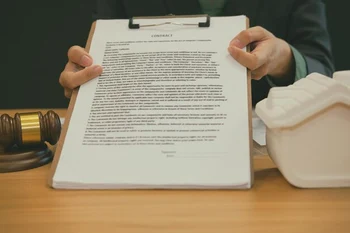
The sales contract is an essential document in the process of acquiring a home, as it establishes the conditions and terms under which the transaction will take place. Through this contract, both the buyer and the seller set their rights and obligations, providing clarity and legal security for both parties. Without a formal agreement, the chances of misunderstandings or disputes increase significantly, which could result in economic losses or legal complications in the future. Therefore, having a well-drafted contract is fundamental to ensure that the investment made is protected.
Additionally, a sales contract acts as a legal tool that can be used in case of breach by the seller or the buyer. This document should include key details such as the precise description of the property, the agreed price, the payment methods, and any additional conditions that are relevant to the transaction. By having these elements clearly outlined in the contract, the risks associated with fraud or subsequent claims are minimized. In summary, investing time in negotiating and properly drafting this type of contract is a smart decision that can make the difference between a successful purchase and a series of legal inconveniences.
2. Essential clauses in the earnest money contract
The essential clauses in a deposit contract are fundamental to ensure both the seriousness of the commitment between the parties and the protection of the interests of the buyer and the seller. In this type of contract, a sum is generally established that the buyer delivers as a sign of good faith, which can be used as part of the final payment or, in certain cases, lost if the agreement is breached. It is crucial that the conditions under which this amount can be refunded or not are specified, as well as the deadlines for the formalization of the purchase and sale. This not only provides security to the seller regarding the buyer's intention but also establishes a clear framework to avoid misunderstandings. Additionally, it is advisable to include clauses that detail the consequences of possible breaches by either party involved. For example, if the seller decides not to proceed with the sale after having received the deposit, it should be stipulated whether they must return double the amount delivered by the buyer. Such provisions act as a deterrent against unethical actions and reinforce trust in the transaction. By addressing these legal aspects from the outset, you can minimize risks and ensure that your investment is protected against any eventuality.
3. Rights and obligations of the buyer and seller
The rights and obligations of the buyer and seller are essential elements in any real estate transaction. As a buyer, you have the right to receive clear and truthful information about the property, including its legal status, physical conditions, and any encumbrances that may affect its value. This includes access to documents such as the property deed and certificates of encumbrances. Additionally, buyers have the obligation to make an agreed payment within the stipulated time and to respect the clauses of the contract they sign. Fulfilling these responsibilities not only ensures a smooth transaction but also establishes a relationship of trust between the parties involved. On the other hand, the seller has the duty to ensure that the property is free of encumbrances or hidden limitations at the time of sale. They are also obligated to deliver the property in the agreed conditions, which includes making necessary repairs or providing additional documentation if required. The seller's rights include receiving fair payment for their investment and obtaining legal protection against breaches by the buyer. Understanding these aspects is crucial to prevent misunderstandings and conflicts that may arise during or after the transaction, thus ensuring a positive experience for both parties.
4. The figure of the notary: their role in the legalization of contracts
The role of the notary is fundamental in the process of legalizing contracts in the real estate sector. In Costa Rica, this professional not only acts as an impartial witness but also verifies the authenticity and validity of the documents being signed. Their role encompasses everything from a thorough review of the legal background of the property to advising on the clauses of the contract that protect both parties involved. With a notary, buyers can have peace of mind knowing they are acquiring a property with a clear title free of hidden charges or liens.
Additionally, the notary is responsible for carrying out the formalization of the contract, which involves its registration in the Public Registry. This step is crucial, as it turns the contract into an official document that can be opposed to third parties. In this way, if any dispute related to the property arises in the future, there is a solid legal backing that protects the buyer's rights. Therefore, resorting to a notary not only ensures the proper formalization of the agreement but also reinforces confidence in such a significant investment as a home.
5. Tax implications when signing a housing contract
When signing a housing contract, it is crucial to consider the tax implications that may arise from the transaction. In many countries, including Costa Rica, purchasing property entails certain taxes that must be paid by both the buyer and the seller. For example, one must take into account the property transfer tax, as well as any local taxes that may apply. Ignoring these tax responsibilities could lead to penalties or legal issues in the future, affecting not only your investment but also your financial situation. In addition to the direct taxes associated with purchasing a home, it is important to consider how this investment may influence your tax return over time. Depending on how you use the property (residential or rental), you may be entitled to tax deductions or face additional obligations. Therefore, it is advisable to consult with a tax advisor before formalizing any agreement to fully understand how your new acquisition will impact your finances and to ensure compliance with all applicable regulations. This will not only protect your investment but also allow you to make more informed and strategic decisions regarding your assets.
6. How to handle contractual disputes: mediation and arbitration
Mediation and arbitration are two effective tools for handling contractual disputes that may arise in the realm of real estate investment. Mediation involves the participation of a neutral third party who facilitates communication between the conflicting parties, helping them reach a satisfactory agreement without the need to resort to judicial instances. This process is usually less costly and more agile, allowing disagreements over aspects of the contract, such as delivery times or payment conditions, to be resolved amicably and effectively. Moreover, by maintaining a cordial relationship, the parties can avoid tensions that could affect future transactions. On the other hand, if mediation fails to resolve the conflict, arbitration presents a viable alternative. In this case, an arbitrator or a panel of arbitrators makes a binding decision on the dispute, based on the evidence presented and the arguments put forth by both parties. This method is particularly useful in complex conflicts where a more formal and definitive resolution is required. Choosing arbitration can not only be faster than traditional litigation but also ensures greater confidentiality and flexibility regarding procedures. By incorporating these tools within the legal framework of your housing investment, you can ensure that any eventuality is handled effectively and professionally.
7. The validity of verbal vs written contracts in real estate.
The validity of verbal and written contracts in the realm of real estate is a crucial topic that every investor must understand. Generally, written contracts are preferable and more secure, as they provide a clear and tangible record of the terms agreed upon by the parties. This not only facilitates dispute resolution but also provides legal proof in case of future disagreements. However, in some specific cases, verbal contracts may be considered valid as long as they can be demonstrated through witnesses or circumstantial evidence, which can be complicated and risky for the buyer. It is important to note that laws regarding the validity of contracts can vary by jurisdiction, so familiarizing oneself with local regulations is essential. A verbal contract may lack the level of detail necessary to address critical aspects such as timelines, payment conditions, and specific responsibilities. Therefore, it is always recommended to formalize any agreement in writing. Investing in housing involves a significant financial commitment; ensuring you have a well-drafted contract will not only protect your investment but also provide you with peace of mind when conducting real estate transactions.
8. Legal aspects regarding warranties and insurance in new homes
When investing in a new home, it is crucial to understand the legal aspects related to warranties and insurance that protect your purchase. In many countries, including those in Latin America, laws require builders to offer warranties for construction or material defects for a specific period. These warranties are essential to ensure that any structural or quality issues are addressed at no additional cost to the homeowner. Make sure to thoroughly review the type of warranty offered, its duration, and the conditions under which you can claim it. Knowing these details will allow you to make more informed decisions and protect your long-term investment.
In addition to the guarantees offered by the builder, it is important to consider obtaining appropriate insurance for your home. This insurance can cover a variety of risks, from damages caused by natural phenomena to theft or vandalism. When choosing insurance, be sure to read the policy carefully to understand what is covered and what exclusions may apply. Also, inquire about the possibility of obtaining additional coverages that may be relevant based on the location and specific characteristics of the property. Good insurance not only protects your physical property but also provides you with peace of mind against unforeseen events that could affect your investment in the future.
9. Tips for reviewing a contract before signing
Reviewing a contract before signing is a crucial stage in the home investment process. First, it is essential to read each clause of the agreement carefully. Pay special attention to the terms related to the price, payment dates, and any penalties for non-compliance. Do not hesitate to seek clarification on any point you do not fully understand; transparency in this aspect is key to avoiding unpleasant surprises later. Also, make sure that all verbal promises are reflected in writing in the contract. This will not only provide you with greater security but will also strengthen your legal position.
In addition to reviewing the economic terms, it is important to verify the information about the property itself. Confirm that the seller is indeed the owner and that there are no liens or encumbrances that could affect your acquisition. Request copies of relevant documents, such as property titles and building permits, and ensure that everything is up to date according to current legislation. If you deem it necessary, having the advice of a lawyer specialized in real estate can be a smart investment to ensure that all legal aspects are properly covered before proceeding with the signing of the contract. This way, you can have the necessary peace of mind when making your real estate investment, minimizing future risks and ensuring a safe and successful purchase.
Most viewed articles in the category Legal Aspects

Legal implications of confidentiality clauses in contracts
Discover the legal implications of confidentiality clauses in contracts and how they affect your business. Protect your valuable information today..
Legal consequences of force majeure clauses in contracts
Discover the legal implications of force majeure clauses in contracts and how they can affect your rights and obligations..

Legal consequences of errors in the drafting of deeds
Discover the serious legal consequences that can arise from errors in drafting deeds and how to avoid them to protect your interests..

Consequences of the lack of formality in legal contracts
Discover the serious consequences of not formalizing legal contracts. Protect your interests and avoid conflicts with this essential guide..