Legal aspects that protect your investment in real estate

Investing in real estate is one of the most important financial decisions you can make, and understanding the legal aspects that support it is crucial for protecting your assets. In this article, we will explore how contracts play a fundamental role in the security of your investment and provide you with the necessary tools to navigate the complex legal world of Costa Rica. Knowing your rights and obligations not only gives you peace of mind but also ensures that your investment is safeguarded against any eventuality.
Investing in real estate is one of the most significant decisions you can make, and having the right support is essential. In Costa Rica, the deeds are the legal pillar that safeguards your investment and guarantees your rights as an owner. Understanding the legal aspects surrounding this process not only provides you with security but also empowers you when making transactions. Join us to explore how to protect your assets and ensure a prosperous future in the Costa Rican real estate market.
The Importance of Public Writing in Real Estate
1. Importance of contracts in real estate
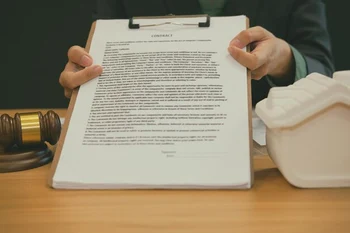
Real estate contracts are essential tools that establish the rules of the game between the parties involved. These documents detail crucial aspects such as the property price, payment conditions, and any specific clauses that may influence the transaction. By signing a contract, both the buyer and the seller are legally obligated to comply with the agreed terms, which provides a clear framework that protects the interests of both parties. Without a formalized contract, the chances of misunderstandings or conflicts increase significantly, putting the investment at risk and generating additional costs.
The public deed is an essential document in the field of real estate, as it provides legal proof of ownership and formally establishes the transfer of rights between the parties involved. Being a notarial act, the deed grants legal validity to real estate transactions, ensuring that the agreements reached are recognized by law. This means that any future attempt to dispute the property will be resolved based on this document, providing peace of mind to both the buyer and the seller. Without a public deed, transactions may be vulnerable to legal issues that could jeopardize your investment.
In addition, public writing ensures that all information related to the property —such as its location, characteristics, and existing encumbrances— is transparent and properly recorded in the Public Registry. This not only protects your rights as an owner but also facilitates future transactions or financing related to the property. Understanding the importance of having a well-drafted and registered deed will allow you to make informed and strategic decisions in the Costa Rican real estate market, thus avoiding unpleasant surprises that may affect your long-term assets.
In addition to establishing obligations and rights, contracts also serve as a means to prevent fraud and legal disputes. In the Costa Rican context, where the legal framework can be complex, having a well-drafted contract is even more crucial. A good contract will include clauses about what happens in case of breach, as well as mechanisms for resolving disputes without resorting to lengthy and costly judicial processes. By understanding the importance of these documents and ensuring they are properly drafted and reviewed by a specialized lawyer, you not only protect your investment but also position yourself better for any future eventuality.
2. Types of contracts used in real estate transactions
2. Key Elements of a Valid Writing
A valid deed is an essential document that not only formalizes the sale of a property but also establishes the rights and obligations of the parties involved. For a deed to be considered legally valid in Costa Rica, it must meet certain fundamental requirements. First, it is crucial that it is drafted by a duly registered lawyer and that it has the authorization of the Registro Nacional. This ensures that the document has full validity and can be enforced in any eventuality. Additionally, the deed must include accurate data about the property, such as its location, boundaries, and specific characteristics, as well as the clear identification of the buyer and seller parties.
Contracts are key elements in any real estate transaction, and there are various types used depending on the nature of the operation. One of the most common is the purchase agreement, which establishes the conditions under which the purchase of a property is made. This document details essential aspects such as the price, the payment method, and the obligations of both the buyer and the seller. Additionally, it is crucial to include clauses that protect both parties in case of non-compliance or future issues related to the property, thus ensuring greater legal security for your investment.
Another relevant type is the lease agreement, used when seeking to rent a property. This agreement defines the rights and duties of both the owner and the tenant, including elements such as the duration of the contract, the amount of rent, and the conditions for its renewal or termination. A well-drafted contract not only clearly establishes the expectations between both parties but also protects the owner against potential damages to the property or breaches by the tenant. Understanding these contracts will allow you to make informed decisions and minimize risks in your real estate transactions.
Another key element in the validity of a deed is the compliance with the necessary formalities for its signing. Both the buyer and the seller must express their consent freely and be present at the time of signing the document. The inclusion of witnesses may also be relevant in some cases, as their presence helps to corroborate the authenticity of the legal act. Finally, to ensure additional protection for your investment, it is advisable to conduct a thorough verification of the legal history of the property before proceeding to the final signing. By ensuring that all these elements are properly fulfilled, you can have confidence in your real estate transaction and adequately protect your assets.
3. National Registry Enrollment Process: Why Is It Crucial?
3. Essential elements of a valid real estate contract
Real estate contracts are fundamental documents that establish the basis for any transaction in the sector. For a contract to be considered valid and legally binding, it is essential that it contains certain essential elements. First, there must be a clear agreement between the parties involved regarding the terms and conditions of the transaction, including the description of the property, the agreed price, and the methods of payment. Furthermore, it is crucial that both parties are properly identified and have the legal capacity to enter into the contract; this includes being of legal age and not being under any legal restrictions that prevent entering into such agreements.
The registration process in the National Registry is a crucial step to protect your investment in real estate. This registry not only ensures that the property is legally recognized, but also establishes a clear and transparent chain of title. By registering your deed, you are formalizing your property right, which is fundamental in the event of any eventuality, such as legal disputes or claims from third parties. Without this registration, you could find yourself in a vulnerable situation where your rights to the property are challenged or even stripped away.
Additionally, registration in the National Registry provides an extra level of security by offering public information about the property. This means that anyone interested can verify who the legitimate owner is and if there are any liens or encumbrances affecting the property. This transparency not only protects your rights as an owner but also increases the value of your investment by generating trust among potential buyers and financiers in the future. In summary, carrying out this process diligently is essential to ensure that your investment is fully protected and backed by Costa Rican laws.
Another key aspect is the formalization of the contract through its signature by both parties, as well as its possible registration with the competent authorities. This last step not only provides greater legal security but also protects the new owners against future claims on the property. Finally, including specific clauses that address possible contingencies or breaches can be vital to avoid conflicts. By understanding these essential elements, you can ensure that your real estate contract not only meets legal requirements but also offers solid protection for your investment in real estate.
4. Common clauses to include in your contracts
4. Owner's Rights: What You Need to Know
Property rights are fundamental to ensuring security and well-being in any real estate investment. In Costa Rica, owners have the right to enjoy their property without external interference, as long as they respect local regulations. This includes the right to rent, sell, or modify their property according to their needs, always within the legal framework. Additionally, having a properly registered title provides extra protection against third-party claims, ensuring that your property is safeguarded against any eventuality.
When drafting a contract for the purchase or lease of real estate, there are certain clauses that are essential to protect both your interests and those of the other party involved. One of the most important clauses is the "minimums and maximums" clause, which sets forth the conditions under which the transaction will take place. This clause can include details about the final price, as well as any necessary adjustments based on market conditions or results from pre-purchase inspections. Ensure that this section is clear and specific, as it will prevent future misunderstandings.
Another fundamental clause is the "default clause," which outlines the consequences if either party fails to meet their contractual obligations. Including specific penalties and timelines for resolving disputes can help you manage complicated situations and protect your investment in case of legal issues. Additionally, consider incorporating an "alternative dispute resolution clause," which stipulates how conflicts will be resolved without the need for lengthy and costly judicial procedures. Having these protections clearly defined in your contract will provide you with greater security when conducting real estate transactions.
Another vital aspect is the right to receive compensation for damages caused by third parties. If someone damages your property, such as a neighbor who makes unauthorized constructions that affect your land or airspace, you have the authority to claim the corresponding damages. Likewise, property owners can access public services and request improvements to infrastructure in their area. Knowing and exercising these rights not only ensures that you can fully enjoy your investment, but also positions you as an informed and responsible owner in the Costa Rican real estate market.
5. Common Mistakes When Drafting a Deed and How to Avoid Them
5. Legal consequences of a poorly drafted contract
A poorly drafted contract can lead to a series of legal consequences that can severely affect your real estate investment. First, ambiguity in the terms and conditions can lead to misinterpretations, which could generate disputes between the parties involved. This not only implies emotional and financial strain but can also result in costly litigation that threatens the viability of your investment. A lack of clarity on key aspects such as price, payment terms, or responsibilities for property maintenance can open the door to unnecessary conflicts.
When drafting a deed for your real estate, it is common to make mistakes that can cost time and money. One of the most frequent errors is the lack of clarity in the property description. It is essential to accurately detail the characteristics of the property, including its exact location, boundaries, and dimensions. An error in this section can lead to future legal disputes or even the nullity of the contract. To avoid this, make sure to have a professional assist you in drafting this document and conduct the necessary checks on the legal status of the property.
Another common mistake is not verifying the legal status of the seller or the property before proceeding with the transaction. Sometimes, owners may have liens or encumbrances that are not immediately obvious, which can complicate your investment. It is advisable to conduct thorough research and request certificates of freedom from encumbrances or registration records. Additionally, including specific clauses in your deed that protect your investment against potential future claims can be crucial to safeguarding your rights as a property owner. Prevention will always be the best strategy to ensure a smooth and secure acquisition in the real estate market.
Additionally, a poorly structured contract could lead to its nullification. This means that if any party decides to challenge the agreement due to flaws in its wording, you could lose not only your initial investment but also any rights associated with the property. For example, if the clauses related to the property and its boundaries are not properly specified, you could face legal issues with third parties or even lose the title to the property. Therefore, it is essential to have appropriate legal advice when drafting or signing a contract to ensure that all elements are correctly established and fulfilled.
6. How to negotiate favorable contract terms
6. The Role of the Notary in Protecting Your Investment
The figure of the notary is crucial in the process of real estate acquisition, as they act as a guarantor of legality and transparency in transactions. Their role goes beyond simple document drafting; they are responsible for verifying that all legal aspects are in order, ensuring that the deed is valid and that there are no liens or encumbrances on the property. This provides an additional layer of security for the buyer, who can trust that their investment is protected from the moment the contract is signed.
Negotiating favorable contractual terms is an essential skill for any real estate investor. Before signing a contract, it is vital to review each clause carefully and determine what your specific needs are. Don't hesitate to propose changes or request clarifications on terms you do not fully understand. Negotiation is not only about getting the best price but also about securing conditions that protect your investment, such as flexible payment terms, warranties on the property, and clauses that allow for an exit without penalties in case of unforeseen events. Remember that a well-structured contract can be your best ally in adverse situations.
Additionally, effective communication with the other party can make a difference when negotiating. It is important to establish a cordial and professional relationship, where both parties feel that their interests are being considered. Use strong arguments to support your requests; for example, if you ask for a reduction in the initial deposit, you might mention comparisons with other similar properties on the market. You can also seek legal advice or have an experienced real estate agent help you identify key points to negotiate in your favor. At the end of the process, make sure to have everything in writing and clear to avoid future misunderstandings; this will provide you with greater security and peace of mind regarding your real estate investment.
Additionally, the notary also has the responsibility to inform the parties involved about their rights and obligations, which is essential to avoid misunderstandings or future conflicts. By having a certified notary, investors can have the peace of mind knowing that their interests are being safeguarded by an impartial professional. In summary, involving a notary is not just a legal formality; it is a strategic decision that protects your investment and allows you to focus on the growth and development of your real estate assets without additional worries.
7. Conflict Resolution: How to Handle Disputes Related to Deeds
7. Rights of the buyer and seller in the contract
The rights of the buyer and seller in a real estate contract are fundamental to ensuring a fair and transparent transaction. For the buyer, these rights include the seller's obligation to provide truthful information about the property, as well as the guarantee that there are no liens or legal issues that may affect the purchase. Additionally, the buyer has the right to receive a property in the agreed-upon conditions and to request repairs if hidden defects arise after the purchase. Knowing these rights empowers the buyer, allowing them to make informed decisions and protect their investment.
Conflict resolution in the realm of deeds is a crucial aspect for any owner looking to protect their investment in real estate. Disputes can arise for various reasons, such as errors in the drafting of documents, disagreements over property boundaries, or even claims regarding usage rights. It is essential to address these issues proactively. Having a lawyer specialized in real estate can facilitate mediation and help reach fair agreements before the conflict escalates, thereby avoiding costly legal battles and preserving the integrity of the estate.
It is also important to be familiar with the legal mechanisms available in Costa Rica to resolve disputes related to deeds. The legislation provides several alternatives, from mediation to arbitration, allowing the parties involved to find satisfactory solutions without necessarily resorting to judicial litigation. Maintaining clear and open communication among all parties can also be key to avoiding misunderstandings and fostering a collaborative environment. By understanding these processes and having a clear plan to handle potential conflicts, you can ensure that your investment remains protected and your rights as a property owner are respected.
On the other hand, sellers also enjoy a series of rights that provide them with security in the process. They have the right to receive the agreed payment within the established deadlines and to have a clause that protects them in case of breach by the buyer. Likewise, it is important for sellers to ensure that everything related to taxes and encumbrances on the property is clear before signing the contract, avoiding unpleasant surprises. Understanding both sides of the contract helps promote more balanced business relationships and reduces the risk of future conflicts, thus ensuring a positive experience for both parties involved in the real estate transaction.
8. The role of the public notary in the formalization of the contract
The public notary plays a fundamental role in formalizing the real estate purchase agreement, ensuring that all parties involved meet the established legal requirements. This professional acts as an impartial intermediary who verifies the identity of the signers, as well as the legality and transparency of the document. With their guidance, the risk of fraud is reduced, and it is guaranteed that the contract is drafted in accordance with current regulations, thus providing an additional layer of protection for your investment.
Additionally, the notary public is responsible for certifying the signing of the contract, which means that their intervention grants legal validity to the agreement reached between the parties. This is crucial, as a properly notarized contract not only strengthens the legal security of the real estate transaction but also facilitates future administrative procedures related to the property. In case of disputes or misunderstandings regarding the signed agreement, the notarial backing becomes a powerful tool to assert your rights and protect your assets against adverse eventualities.
9. Resolution of contractual disputes: legal options available
The resolution of contractual disputes is an essential part of the real estate investment process, as disagreements can arise for various reasons, from breaches of clauses to differences in the interpretation of the contract. In Costa Rica, there are several legal options available to resolve these disputes. The first option is direct negotiation between the parties involved, where the aim is to reach an amicable agreement without the need to resort to legal instances. This alternative is generally faster and less expensive, allowing for savings in time and resources.
If the negotiation is not effective, another option is mediation or arbitration, alternative conflict resolution methods that offer a more formal yet equally private approach. In these processes, an impartial third party helps the parties find a satisfactory solution. Finally, if none of these alternatives succeed in resolving the conflict, one can choose to take the case to a competent court for litigation. It is essential to have proper legal advice throughout this process to ensure that your rights are protected and your investment secured against any legal eventualities.
10. The importance of reviewing contracts with a specialized lawyer
Reviewing contracts with a specialized lawyer is an essential step in the real estate investment process. These documents, which often contain complex terms and conditions, can be the difference between a successful transaction and one that leads to legal disputes. A lawyer with experience in real estate not only understands the technical language of the contract but can also identify unfavorable clauses or hidden risks that could compromise your investment. Furthermore, having their guidance allows you to negotiate better terms and ensure that your interests are adequately protected from the outset.
The legal review of contracts becomes a protective shield against potential future disputes. For example, aspects such as financing contingencies, delivery timelines, and specifications regarding the condition of the property are critical elements that must be clearly understood and agreed upon. A legal professional can explain every detail and its legal implications, thus ensuring that you are fully informed before signing any document. Ultimately, investing time and resources in legal review not only minimizes risks but also strengthens your position as an informed and empowered owner within the real estate market.
Most viewed articles in the category Legal Aspects

Legal implications of confidentiality clauses in contracts
Discover the legal implications of confidentiality clauses in contracts and how they affect your business. Protect your valuable information today..
Legal consequences of force majeure clauses in contracts
Discover the legal implications of force majeure clauses in contracts and how they can affect your rights and obligations..

Legal consequences of errors in the drafting of deeds
Discover the serious legal consequences that can arise from errors in drafting deeds and how to avoid them to protect your interests..

Consequences of the lack of formality in legal contracts
Discover the serious consequences of not formalizing legal contracts. Protect your interests and avoid conflicts with this essential guide..