Legal aspects to secure your home purchase in Costa Rica.

Buying a home in Costa Rica is one of the most important decisions you can make. However, to ensure that your investment is safe and profitable, it is essential to understand the legal aspects involved in the process. In this article, we will explore how to protect your purchase through well-crafted contracts and other essential elements. Don't let a lack of knowledge put you at risk; join us and discover how to ensure that your new home is truly yours.
Are you thinking about acquiring a home in Costa Rica? The excitement of finding your ideal home can be overshadowed by legal uncertainties. Ensuring your purchase involves more than just signing a contract; a thorough legal verification is required to avoid unpleasant surprises. In this article, we will guide you through the essential legal aspects that every buyer should consider, thus ensuring a safe and hassle-free transaction.
Importance of Legal Verification in Home Purchase
1. Importance of a sales contract
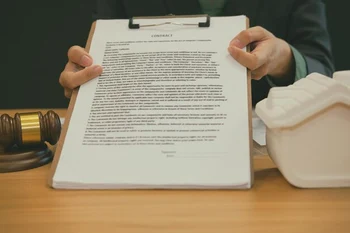
The importance of a sales contract lies in its ability to formalize and protect the interests of both parties involved in the transaction. This document establishes the specific conditions under which the purchase will take place, including the agreed price, payment terms, and any other relevant clauses that define the rights and obligations of both the buyer and the seller. Having a well-drafted contract minimizes the risks of misunderstandings or future disputes, providing greater legal security for the investment made.
Legal verification in the purchase of a home is a crucial step that should not be overlooked. This process involves investigating and confirming that the property has all the necessary documents, such as the title deed, building permits, and environmental permits. A thorough review ensures that there are no liens or encumbrances on the property, which could lead to legal issues in the future. Additionally, verifying the registration status of the property allows you to ensure that the seller is the true owner and has the legal capacity to carry out the transaction.
Another crucial aspect is the review of potential litigations or conflicts related to the property. There are cases where lands may be involved in lawsuits or family disputes, which can complicate their acquisition. By conducting a thorough legal check, you can avoid adverse situations and secure your investment. Essentially, this process protects your rights as a buyer and provides you with peace of mind knowing that you are making an informed and secure purchase, thus facilitating the dream of having your own home without unnecessary setbacks.
Additionally, the purchase agreement is an essential tool to ensure transparency in the process. It should include detailed information about the property, such as its exact location, physical characteristics, and legal status. This not only allows the buyer to be fully informed before making a decision, but also facilitates the necessary procedures to obtain financing or carry out formalities with public institutions. In summary, having a clear and complete contract is fundamental to ensure that your purchase is successful and protected against potential issues in the future.
2. Essential elements of the housing contract
2. Necessary Documentation for Legal Verification
To carry out an adequate legal verification when purchasing a property in Costa Rica, it is essential to have the necessary documentation that supports the legality of the property. First, it is crucial to request the property registration certificate, which provides information about who the current owner is and whether there are any liens or restrictions on the property. This document can be obtained from the Registro Nacional and is a crucial step to ensure that you are dealing with a legitimate seller and that there are no outstanding debts associated with the property that could complicate your acquisition.
Housing contracts in Costa Rica are legal documents that establish the conditions and terms under which a property is purchased. For a contract to be considered valid, it must include several essential elements, such as the identification of the parties involved, a detailed description of the property, and the agreed price. It is also crucial to include the payment conditions, deadlines for the delivery of the property, and any clauses related to potential penalties in case of breach. These details not only protect both parties but also provide clarity regarding the rights and obligations of each.
It is also essential that the contract includes a section on the legal status of the property. This means verifying that there are no encumbrances or liens on the property, as well as ensuring that the seller has full rights to transfer it. It is advisable to conduct a title search to confirm this information before signing any documents. An additional aspect to consider is the clauses related to potential conflicts or disputes, as establishing a clear mechanism for resolving disagreements can prevent legal complications in the future. Having these essential elements in your contract will allow you to secure your purchase and ensure a smoother process towards acquiring your new home.
In addition to the registration certificate, you will need to request a series of additional documents such as the legal ID or identification of the seller, as well as up-to-date payments for property taxes. It is also advisable to review the cadastral map of the land to confirm the exact measurements and boundaries of the property, thereby avoiding future conflicts with neighbors or local authorities. Having all this documentation on hand will not only provide you with peace of mind in your purchase, but it will also allow you to make a safe investment in accordance with the current regulations in Costa Rica.
3. How to Identify Properties with Legal Liens
3. Key clauses to protect your interests
When purchasing a property in Costa Rica, it is vital to include clauses that safeguard your interests in the sales contract. One of the most important is the retention of title clause, which establishes that the seller retains ownership of the property until the total agreed price has been paid. This allows you to secure your investment and avoid unpleasant surprises if the seller faces financial or legal issues. Furthermore, it is advisable to include a penalty clause for breach of contract, specifying the consequences for either party if the agreed terms are not met, which promotes a serious and formal commitment between the buyer and the seller.
Identifying properties with legal encumbrances is a fundamental step in the process of buying a home. Legal encumbrances are limitations or burdens that affect the property and can include mortgages, liens, easements, or any other type of restriction that may influence your right to use the property. To avoid future problems, it is crucial to conduct thorough research on the legal status of the property you wish to acquire. This may involve consulting the national property registry, where all the legal records associated with the property are detailed.
In addition to reviewing public documents, it is advisable to seek the advice of a lawyer specialized in real estate. An expert can help you correctly interpret the recorded information and detect possible hidden burdens that may not be obvious at first glance. It is also useful to request a technical report that includes details about the physical characteristics of the property and its legal status. With this diligence, you can make informed decisions and avoid surprises that could affect your investment and peace of mind in the future.
Another essential clause is related to the condition of the property. It is crucial to detail in the contract that the property is delivered in certain conditions and to specify any known defects or warranties offered by the seller. This not only protects your rights as a buyer but also sets clear expectations about what you are acquiring. Additionally, consider including a clause regarding the expenses associated with the transaction; determining who will be responsible for costs such as taxes, notary fees, and utilities can prevent future misunderstandings. In summary, clarifying these aspects from the outset will contribute to a safer purchase without unnecessary complications.
4. Verification of the legal status of the property
4. The Role of the Notary in the Security of Your Purchase
The notary plays a fundamental role in the security of your home purchase in Costa Rica. As a legal professional, the notary is not only responsible for authenticating and witnessing the signing of documents but also for verifying the legality and validity of property titles. This includes confirming that the seller is indeed the owner of the property and that there are no liens or legal burdens that could affect your future possession. Their involvement helps prevent fraud and ensures that the transaction is carried out in accordance with current regulations, providing you with peace of mind throughout the process.
The verification of the legal status of the property is a crucial step in the home buying process in Costa Rica. Before making any decision, it is essential to ensure that the property is free of liens, mortgages, or legal disputes that may affect your investment. This involves checking the National Registry to confirm that the seller is the legitimate owner and that there are no encumbrances that compromise the sale. Additionally, it is advisable to request a cadastral report detailing the boundaries and characteristics of the property, thus ensuring that what you are acquiring corresponds to what was promised.
Another important aspect to consider is the tax situation of the property. It is essential to verify if there are any outstanding taxes or fines associated with the property, as these liabilities could be transferred to the new owner after the purchase. Consulting with a lawyer specialized in real estate can facilitate this process, as they can guide you in reviewing all necessary documents and provide advice on potential legal risks. Remember, good due diligence will allow you to enjoy your new home with peace of mind and without unpleasant surprises in the future.
Additionally, the notary has the responsibility to draft a public deed that faithfully reflects the terms agreed upon by the parties. This document is essential, as it not only formalizes the transfer of the asset but also serves as proof in any future eventualities related to the property. By having a notary in your purchase process, you are ensuring that all legal aspects are handled properly, which will protect you against potential disputes or issues inherent to the acquired property. In summary, their role is key to ensuring a successful purchase free of legal complications.
5. Registration Process in the National Property Registry
5. Role of the notary in the purchase of real estate
The role of the notary in the purchase of real estate in Costa Rica is essential to ensure the legality and validity of the transaction. This professional acts as an impartial intermediary who guarantees that all documents are in order and that the parties involved comply with legal regulations. The notary verifies the identity of the buyers and sellers, as well as their legal capacity to carry out the transaction. Furthermore, they are responsible for drafting the sales contract, ensuring that all clauses are clear and fair, thereby protecting the interests of both parties.
The process of registering with the National Property Registry is a crucial step to formalize the acquisition of a home in Costa Rica. Once you have completed the purchase and signed the contract, it is essential that you register the property in your name. This registration not only provides legal security over your property, but also allows third parties to know the ownership of the asset. The registration is carried out at the National Registry, where you must present certain documents such as the purchase contract, your identity card, and any other relevant documentation that certifies the transaction.
It is important to note that the process may vary in duration and requirements depending on each particular case. Therefore, it is advisable to seek the advice of a lawyer specialized in real estate law to facilitate this procedure. Additionally, ensuring that all taxes related to the purchase are up to date is essential before making the registration. This guarantees not only a secure purchase but also future peace of mind regarding your new home.
Once the contract is signed, the notary also plays a crucial role in the process of registering the property in the National Registry. This step is vital, as only by registering the property in your name will you be legally recognized as the new owner. Furthermore, the notary ensures that there are no liens or limitations on the property that could affect your acquisition. In summary, having a reliable notary not only provides you with peace of mind during the purchase but also protects you against potential future legal issues related to your new home.
6. Taxes and costs associated with the purchase
6. Sales Contracts: Keys to Avoid Future Problems
Sales contracts are fundamental documents in the process of acquiring a home, as they establish the conditions under which the transaction takes place. It is crucial that both the buyer and the seller understand all the terms included in the contract, as well as their rights and obligations. Ensure that the contract includes specific details such as the identification of both parties, a precise description of the property, the agreed price, and the payment conditions. Additionally, it is advisable to include clauses that address possible contingencies, such as penalties for breach or rights to conduct pre-purchase inspections. This not only protects your interests but also facilitates clear communication between both parties.
When purchasing a home in Costa Rica, it is crucial to consider not only the sale price but also the taxes and associated costs that can significantly influence the total investment. Among these expenses is the real estate transfer tax, usually 1.5% of the property's value, which must be paid at the time of finalizing the purchase. Additionally, it is important to consider other costs such as attorney fees, notary fees, and registration expenses that ensure your property is properly registered in your name. These elements are essential to avoid financial surprises after closing the transaction.
You should also be aware of the recurring costs associated with ownership, such as property tax (IBI) and any potential charges for utilities or maintenance if you reside in a condominium. A thorough analysis of these costs will allow you to better assess your financial capability and ensure that you can maintain this investment in the long term. By understanding all the tax aspects related to the purchase, you can make more informed decisions and avoid legal or financial inconveniences in the future. Transparency in these matters not only protects you legally but also provides peace of mind as you enjoy your new home.
Another key aspect is the legal review of the contract by a lawyer specialized in real estate. This professional can identify problematic or ambiguous clauses and suggest necessary modifications to protect your interests. Do not underestimate the importance of this review; a poorly drafted contract can lead to significant future problems, including legal disputes or even the nullification of the agreement. Additionally, make sure to verify that all necessary licenses and permits are up to date before signing any document. A proactive approach to drafting and reviewing the contract will help you avoid unpleasant surprises and ensure a smoother and safer experience when purchasing your home in Costa Rica.
7. Tax Aspects to Consider When Buying a Home
7. Buyer’s rights: what you need to know
When purchasing a property in Costa Rica, it is crucial for buyers to know their rights to avoid potential fraud or conflicts in the future. Among the most fundamental rights is the guarantee of receiving all relevant information about the property, including its legal status, financial encumbrances, and any restrictions that may affect its use. This means that the seller is obligated to provide documents such as the title deed and the certificate of encumbrances, which allows the buyer to make informed decisions. Furthermore, buyers have the right to conduct the necessary due diligence to verify the legal situation of the property before finalizing the purchase.
When purchasing a home in Costa Rica, it is essential to consider the tax aspects that may impact your investment. One of the main factors to review is the property transfer tax, which is generally calculated based on the property's value and must be paid at the time of purchase. Additionally, it is important to be informed about other recurring taxes such as property tax, which is applied annually and may vary depending on the location and characteristics of the property. Having clarity on these tax obligations will allow you to plan your long-term expenses appropriately.
Another key aspect to consider is the tax deductions available for homeowners. In some cases, you may benefit from deductions related to mortgage loans or improvements made to the property. It is advisable to consult with a tax advisor or accountant specialized in real estate to maximize the tax benefits you can obtain after the purchase. This way, you will not only secure your investment from a legal standpoint but also optimize your financial situation through the proper management of your tax obligations and rights.
Another important aspect is the right to a clear and transparent contract. The buyer must ensure that all terms and conditions are detailed in the purchase agreement, including deadlines, payment methods, and possible penalties for non-compliance. It is also advisable to seek legal advice to review the contract before signing it. Furthermore, it is essential for buyers to be aware of their rights in case of litigation; this includes the possibility of resorting to legal avenues if they believe their rights have been violated. Understanding these aspects not only protects your investment but also provides peace of mind throughout the process.
8. How to handle legal disputes related to property
8. What to Do if You Find Legal Irregularities
If during the process of purchasing your home in Costa Rica you encounter legal irregularities, it is essential to act quickly and decisively. First, document all the anomalies you have detected, such as inconsistencies in property titles, liens, or zoning-related issues. This record will be invaluable for any subsequent legal action and will help you have a clear overview of the situation. Consider consulting a lawyer specialized in real estate, who can provide you with guidance on the steps to take and the legal implications of each irregularity.
Handling legal disputes related to property can be a complicated and stressful process, but it is essential to protect your investment and ensure that your home purchase in Costa Rica remains secure. First, it is crucial to have competent legal advice from the start of the buying process. A real estate attorney can help you understand the rights and obligations associated with your property, as well as avoid potential problems before they arise. It is also advisable that all agreements be documented in writing, which provides a solid foundation for resolving any future disagreements.
When disputes arise, clear and open communication between the parties involved is essential. This not only helps to identify points of disagreement but can also facilitate an amicable agreement without resorting to more formal legal proceedings. However, if the negotiation does not lead to a satisfactory solution, being prepared to take legal action is crucial. Knowing the legal avenues available in Costa Rica, such as arbitration or mediation, will allow you to face these challenges with greater confidence and effectiveness. Always remember to keep all documentation related to the transaction organized; this will be invaluable if you need to present evidence in a potential litigation.
Do not underestimate the importance of a thorough review before making the purchase. If the irregularities are significant and directly affect the value or legitimacy of the property, you might consider negotiating with the seller to resolve these issues before closing the transaction. In some cases, it may be possible to obtain compensation or even cancel the contract if it is proven that the seller concealed relevant information. The key is to act prudently and not be carried away by the excitement of the moment; your investment deserves to be properly protected against any legal eventuality.
9. Consult a a Specialized Lawyer: Is It Necessary?
9. Tips to avoid real estate fraud in Costa Rica
To avoid real estate fraud in Costa Rica, it is crucial to conduct thorough research before any transaction. Start by verifying the documentation of the owner and the property. Ensure that the seller is the legitimate owner by consulting the Registro Nacional, where you can confirm that there are no liens or encumbrances on the property. Additionally, consider hiring a lawyer specialized in real estate to guide you through the process and help you identify potential legal risks.
Consulting a real estate attorney is a crucial step that every homebuyer in Costa Rica should seriously consider. Real estate legislation can be complex and vary significantly from country to country, making it essential to have the advice of an experienced professional. An expert attorney will not only help you understand the terms of the contract but will also verify the legality of the property and ensure that there are no liens or legal issues associated with it. Their knowledge can save you time, money, and potential complications in the future.
Additionally, a specialized lawyer will assist you during the negotiation process, ensuring that your rights as a buyer are protected. This way, you can address any potential issues before they escalate into a larger dispute. Investing in a home is significant, and having the right guidance can make the difference between a successful purchase and an experience filled with inconveniences. Thus, consulting a lawyer is not only advisable; it is practically necessary to ensure your peace of mind and confidence when making this important transaction.
Another important piece of advice is to be wary of offers that seem too good to be true. Scammers often attract buyers with extremely low prices or favorable conditions that seem irresistible. Always conduct a realistic market assessment to have a clear idea of the value of the property you are considering. Also, make sure to visit the location and check its physical condition; this not only protects you against fraud but also allows you to better understand your future investment and ensure it meets your expectations and needs.
10. Practical Tips for a Safe and Risk-Free Purchase
Before making any transaction, it is essential to conduct thorough research on the property you are interested in. Verify the legal status of the home, ensuring that the documents are in order and that there are no pending liens or mortgages. You can request a registration report from the National Registry, which details the legal situation of the property. This step is crucial to avoid unpleasant surprises in the future and will give you greater peace of mind when closing the purchase. Also, remember to check the identity of the seller to confirm that they have the right to sell the property.
Additionally, consider hiring a real estate attorney to advise you throughout the process. An experienced professional can guide you in drafting the purchase agreement and reviewing all necessary documents to ensure compliance with the legal regulations established in Costa Rica. It is also advisable to conduct a technical inspection of the property before finalizing the purchase; this will help identify any potential structural or maintenance issues that could incur additional costs after acquiring it. By following these practical tips, you will be better prepared to ensure a safe and risk-free purchase of your new Costa Rican home.
Most viewed articles in the category Legal Aspects

Legal implications of confidentiality clauses in contracts
Discover the legal implications of confidentiality clauses in contracts and how they affect your business. Protect your valuable information today..
Legal consequences of force majeure clauses in contracts
Discover the legal implications of force majeure clauses in contracts and how they can affect your rights and obligations..

Legal consequences of errors in the drafting of deeds
Discover the serious legal consequences that can arise from errors in drafting deeds and how to avoid them to protect your interests..

Consequences of the lack of formality in legal contracts
Discover the serious consequences of not formalizing legal contracts. Protect your interests and avoid conflicts with this essential guide..