Legal considerations for a safe home purchase in Costa Rica

Are you ready to take the step towards buying your home in Costa Rica? Before diving into this exciting adventure, it is crucial that you understand the legal considerations that will ensure a safe and surprise-free transaction. From understanding contracts to knowing your rights as a buyer, every detail matters. This article will guide you through the essential legal aspects so that your investment is truly safe and satisfying. Don't take risks! Get informed and secure the future of your new home.
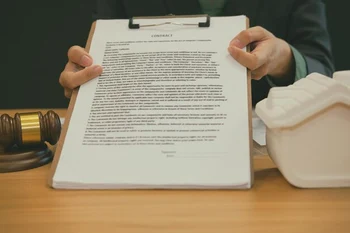
1. The importance of the contract in the purchase of a home
The purchase of a home is a significant step in anyone's life and, as such, must be backed by a solid contract that protects both parties involved. A well-drafted contract not only establishes the terms of the transaction but is also essential for avoiding misunderstandings and future disputes. In Costa Rica, the purchase and sale contract must include specific details such as the agreed price, the description of the property, and the payment terms. It is also important that all parties involved sign this document before a notary public to ensure its legal validity.
In addition to serving as legal proof of the transaction, the contract also provides security to the buyer by establishing their rights and obligations. For example, clauses can be included that stipulate what happens in the event of a breach by the seller or the buyer. This not only protects your investment but also provides clarity on important aspects such as deadlines for the delivery of the property and possible penalties for delays. In this sense, understanding each section of the contract is essential; never hesitate to consult with a specialized lawyer if you have questions or concerns before signing.
2. Key elements of a sales contract
When addressing a purchase agreement, it is essential to identify the key elements that ensure the validity and clarity of the agreement. First, the parties involved must be clearly identified; this includes both the seller and the buyer, as well as any legal representatives that may participate in the transaction. Additionally, it is crucial to specify the object of the sale: in this case, the real estate being acquired. The description should be as detailed as possible, including data such as the exact location, measurements, and specific characteristics of the property. This not only helps to avoid future confusion but also protects your rights as a buyer.
Another crucial element is the purchase price and payment conditions. The contract must detail the agreed amount and the method by which the payment will be made, whether in cash or through bank financing. It is also advisable to include clauses about initial deposits or earnest money that ensure the commitment of both parties. Additional aspects such as the conditions for the delivery of the property, deadlines for meeting any legal requirements, and possible penalties for non-compliance should also be considered. These elements are vital to ensure a smooth transaction and provide peace of mind to buyers throughout the process of acquiring their new home in Costa Rica.
3. Property verification: what documents do you need?
Property verification is a fundamental step in the home buying process in Costa Rica. To ensure that you are acquiring a property without legal issues, it is essential to request certain key documents. Among them is the Certificate of Liens and Limitations, which will allow you to know if the property has any pending charges or debts. Additionally, it is vital to obtain the updated cadastral plan and the public deed of the property, which details the legal history of the property and its ownership. These documents will provide you with a clear view of the legal status of the property and help you avoid unpleasant surprises.
In addition to the mentioned documents, it is also advisable to verify the tax situation of the property through the property tax receipt. This document will confirm that there are no outstanding debts with the municipal authorities, which could become a problem if you decide to purchase the property without this prior verification. Another important aspect is to review the building permits and land use to ensure that everything is in order according to local regulations. Conducting this thorough verification will not only protect your investment but also provide you with peace of mind knowing that you are making an informed and secure purchase.
4. Rights and obligations of the buyer in Costa Rica
The rights and obligations of the buyer in Costa Rica are fundamental to ensuring a fair and transparent real estate transaction. As a buyer, you have the right to receive clear and truthful information about the property you wish to acquire. This includes aspects such as the legal status of the home, its tax situation, and any liens that may affect your investment. Additionally, you have the right to carry out all necessary due diligence, such as inspections and document reviews, before formalizing the purchase. Knowing these rights will allow you to make informed decisions and avoid unpleasant surprises in the future. On the other hand, it is also vital that you fulfill certain obligations when purchasing a home. One of the most important is to ensure that all payments are made as agreed in the sales contract. This not only includes the agreed price but also any additional costs related to taxes or utility services associated with the property. Likewise, you must be responsible for carefully reviewing all legal documents involved in the transaction and seeking professional advice if necessary. Meeting these obligations will not only protect your investment but also contribute to a smoother and safer buying experience.
5. Common clauses in real estate contracts
When signing a real estate contract in Costa Rica, it is essential to pay attention to the clauses included in it. Among the most common are the description of the property, which must be precise and detailed to avoid misunderstandings about what is being purchased. It is also vital to review the price and payment terms clause, where the agreed amounts and established deadlines will be specified. Furthermore, the inclusion of a breach clause can offer protection to both the buyer and the seller, establishing the consequences in case one of the parties fails to meet their contractual obligations. Another relevant aspect is the clauses related to the delivery of the property. Here, clear dates for delivery and any necessary conditions that must be met before such delivery, such as repairs or administrative procedures, must be established. Also, do not forget to review the clauses regarding potential liens or encumbrances on the property; this will allow you to know if there are legal restrictions that may affect your use of the property in the future. In summary, understanding each of these clauses will help you make informed decisions and protect your investment throughout the purchasing process.
6. The role of the notary public in the transaction
The public notary plays a fundamental role in the purchase of a home in Costa Rica, acting as a guarantor of the legality and truthfulness of the transaction. Their main function is to ensure that all documents related to the property are in order and comply with current legal regulations. This includes verifying that the seller is the legitimate owner of the property and that there are no encumbrances or outstanding debts that could affect the new buyer. Additionally, the notary is responsible for drafting the deed of sale, an essential document that formalizes the transfer of ownership.
The public notary also provides legal advice to both parties involved in the transaction. This involves explaining the rights and obligations of both the buyer and the seller, as well as conducting a thorough analysis of the contract to avoid future inconveniences. Many times, buyers may feel overwhelmed by the legal process; however, having an experienced notary can provide them with peace of mind and confidence. At the end of the process, the notary will also handle the property registration with the National Registry, thereby ensuring that your new home is formally in your name and protected against any future eventualities.
7. Taxes and fees associated with home purchase
When considering the purchase of a home in Costa Rica, it is essential to take into account the taxes and fees associated with this transaction. One of the main levies is the property tax, which is calculated annually on the cadastral value of the property. This tax can vary depending on the location and characteristics of the property, so it is important to research how much you will need to pay annually. Additionally, at the time of acquiring a property, you will have to pay a transfer tax, which represents a percentage of the purchase price and is paid at the time of formalizing the public deed.
Another relevant aspect is the administrative and notarial costs associated with the purchase. These include fees for legal services and expenses related to the deed, as well as fees for public records where the property will be registered. It is advisable to allocate an additional budget to cover these unforeseen expenses and ensure that you do not compromise your financial capacity. By being well-informed about these taxes and fees, you will be able to make more informed decisions throughout the buying process, thus ensuring a secure investment in your new home in Costa Rica.
8. Legal steps after signing the contract
Once you have signed the purchase contract for your home in Costa Rica, it is essential to follow certain legal steps to ensure that the transaction is completed smoothly. First, you must proceed to register the contract with the Registro Nacional. This step is crucial, as it officially establishes your rights to the property against third parties and protects your investment. Make sure to have the guidance of a lawyer specialized in real estate who can assist you in this process and verify that all documents are in order before the registration.
In addition to signing the contract, it is important to comply with any tax obligations related to the purchase. This includes the payment of the transfer tax and other associated costs, such as notary fees. Ignoring these responsibilities can lead to future legal issues or even penalties. Finally, consider conducting a thorough review of the legal status of the property to ensure that there are no outstanding liens or encumbrances that could affect your rights to it. Taking these additional steps will help you fully enjoy your new home without worries, thus ensuring a safe and transparent purchase.
Most viewed articles in the category Legal Aspects

Legal implications of confidentiality clauses in contracts
Discover the legal implications of confidentiality clauses in contracts and how they affect your business. Protect your valuable information today..
Legal consequences of force majeure clauses in contracts
Discover the legal implications of force majeure clauses in contracts and how they can affect your rights and obligations..

Legal consequences of errors in the drafting of deeds
Discover the serious legal consequences that can arise from errors in drafting deeds and how to avoid them to protect your interests..

Consequences of the lack of formality in legal contracts
Discover the serious consequences of not formalizing legal contracts. Protect your interests and avoid conflicts with this essential guide..