Legal tips to secure your home purchase in Costa Rica

Securing your home purchase in Costa Rica is essential to avoid unpleasant surprises and protect your investment. In this article, we will present essential legal tips that will guide you through the acquisition process. From reviewing contracts to the importance of conducting due diligence, every step matters. With our guide, you will be better prepared to make informed decisions and enjoy your new home with peace of mind.
Securing your home purchase in Costa Rica is crucial to avoid unpleasant surprises and ensure that your investment is safe. With the property acquisition process filled with legal nuances, it is essential to understand the aspects related to deeds. In this article, we will provide you with practical and essential tips to help you navigate the Costa Rican real estate legal landscape. Don't jeopardize your dream of having your own home!
1. Importance of property title review
The importance of a well-drafted contract
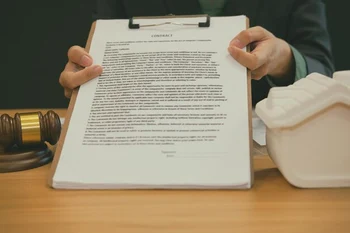
A well-drafted contract is the cornerstone of a successful real estate transaction. This document not only establishes the terms and conditions of the purchase but also protects the rights of both parties involved in the transaction. A clear and detailed contract minimizes the risk of misunderstandings and future disputes, ensuring that all expectations are aligned from the outset. Furthermore, a good contract includes specific clauses that can address unforeseen situations, providing greater security to both buyers and sellers.
The review of property titles is an essential step in the home buying process, especially in a country like Costa Rica, where the regulations and procedures can be complex. A clear and legitimate property title ensures that the seller has the right to sell the property and that there are no liens, mortgages, or pending legal disputes that could affect your investment. By conducting a thorough title check, you can avoid unpleasant surprises that could result in additional costs or even the total loss of your new home.
Additionally, a thorough review of the title provides you with the necessary peace of mind to proceed with the purchase. In the Costa Rican context, it is common to encounter properties with legal issues arising from unresolved inheritances or conflicts among previous owners. Therefore, having the support of a lawyer specialized in real estate can be essential to ensure that all legal aspects are in order. The importance of this review lies not only in protecting your current investment but also in safeguarding your future interests as an owner and ensuring a positive experience when settling into your new home.
It is crucial to pay attention to every detail during the drafting of the contract, as any ambiguity can turn into a significant problem later on. Including information about the legal status of the property, payment terms, delivery deadlines, and possible penalties for non-compliance are key aspects that must be considered. Having the support of a lawyer specialized in real estate can be invaluable to ensure that your contract complies with all current legal regulations and adequately reflects your interests as a buyer. This way, you can proceed with your acquisition process with confidence and peace of mind.
2. Key aspects to include in the sales contract
2. Necessary documentation for the purchase and sale
To carry out a property sale in Costa Rica, it is essential to have the appropriate documentation to support the transaction. First, you should request the title of property from the seller, which details who the legitimate owner of the property is and whether it is free from liens or encumbrances that may affect your purchase. Additionally, make sure to review the cédula jurídica if the seller is a legal entity, as well as the property's status in the Registro Nacional to validate its legality and current situation.
When engaging in the purchase and sale of a property in Costa Rica, it is essential that the contract includes key aspects that protect both the buyer and the seller. One of the most important elements is the precise identification of the parties involved, as well as a detailed description of the property, which must include its location, measurements, and boundaries. Additionally, the agreed-upon price and payment conditions should be specified, whether in cash or through financing. It is crucial for both parties to sign the contract for it to have legal validity and to avoid future conflicts.
Another crucial aspect to consider in the sales contract is the inclusion of clauses that address possible contingencies. This may include conditions related to the buyer obtaining financing or a satisfactory inspection of the property before the final closing. It is also advisable to establish a clear timeline for delivery deadlines and any possible penalties in case of breach by either party. By incorporating these elements into the contract, risks are minimized, and a more transparent and secure transaction is ensured for all parties involved.
Another key document is the property appraisal, which provides an estimated value of the asset and can be useful for negotiating the price. Also, do not forget to obtain a negative certification of real estate that confirms there are no liens or lawsuits related to the property. Finally, keep in mind that all contracts must be formalized in writing and signed before a public notary, who will guarantee the legality of the process and provide advice on any other specific requirements you need to meet. Ensuring you have all this documentation on hand will help you avoid setbacks and protect your investment in the long term.
3. The role of the notary in the real estate transaction.
3. Preliminary proceedings: what are they and why are they crucial?
Due diligence is a series of legal inspections and reviews carried out before purchasing a property. This due diligence is crucial because it allows you to verify the legal status of the property, ensuring that there are no liens, encumbrances, or issues with ownership that could affect your investment. By conducting these checks, you can identify aspects such as limitations on land use, property disputes, or any pending litigation that could complicate the transaction. In this way, due diligence serves as a protective shield against unwanted surprises in the future.
The notary plays a fundamental role in the real estate transaction in Costa Rica, acting as a guarantor of the legality and authenticity of the documents involved in the process. From the drafting of the deed to its signing, the notary ensures that all parties understand the terms of the agreement and that there are no defects that could affect the validity of the transaction. Additionally, he is responsible for verifying that the seller is indeed the owner of the property and that it is free of liens or legal encumbrances, which is essential to protect your investment.
Another crucial aspect of the notary's role is their ability to carry out the necessary procedures before the Registro Nacional. Once the deed is signed, it is the notary's responsibility to properly register it to formalize your ownership of the acquired property. This step is vital as only through this registration will you be able to assert your rights over the property against third parties. Therefore, having a reliable and experienced notary will not only provide you with peace of mind throughout the process but also ensure a safe purchase without future legal complications.
Additionally, these due diligence activities may include reviewing important documents such as the cadastre, property records, and the corresponding licenses. Obtaining accurate information about the property's history is essential to ensure that you are acquiring a property free from legal issues. Having this clarity not only saves you time and money in the long run but also provides you with peace of mind knowing that you have made informed decisions at every stage of the process. In summary, investing time in the preliminary due diligence is a necessary step to secure your purchase and protect your assets in Costa Rica.
4. Verification of ownership: titles and liens
4. Essential clauses in the deeds
The clauses in the deeds are fundamental elements that ensure the protection of your investment when acquiring a property in Costa Rica. Among them, it is crucial to pay attention to the identification clause of the seller and the buyer, as well as the detailed description of the property. Make sure that all the information is correct and clear, as any error or ambiguity can lead to future legal conflicts. Additionally, verify that a statement about the legal status of the property and its cadastral situation is included, which will help avoid surprises related to hidden liens or mortgages.
Property verification is a crucial step in the home buying process, as it ensures that you are acquiring an asset free of legal issues. It is essential to review the titles and liens associated with the property to confirm that the seller is the legitimate owner and that there are no additional encumbrances that could affect your investment. To do this, you can request a certificate of freedom from liens at the National Registry, where the legal status of the property is detailed. This document will allow you to know if there are mortgages, foreclosures, or any other limitations that could compromise the use and enjoyment of the acquired asset.
In addition to verifying the titles, it is advisable to consult with a real estate attorney to properly interpret the information found. A professional can help you understand the legal implications of any existing liens and offer alternatives to mitigate risks. It is also wise to research the history of the property and its previous owners, as this may reveal potential conflicts or hidden issues. Ensuring clarity about the legal situation of the property will provide you with a solid foundation for making a safe purchase without unpleasant surprises in the future.
Another essential clause is related to the payment and delivery conditions of the property. This must clearly specify the agreed total amount, the deadlines for payments, and the penalties in case of non-compliance. It is advisable to include a deadline for the effective delivery of the property and any additional conditions related to its condition at the time of delivery. Finally, do not forget to review the clauses on responsibilities in case of hidden defects or structural problems; this will provide you with greater security regarding possible future repairs. Knowing these details will allow you to make an informed and peaceful purchase, thus ensuring your dream of having your own home in this beautiful country.
5. How to check for liens or encumbrances on the property
5. Clauses that protect the buyer in the contract
In the process of purchasing a home in Costa Rica, it is crucial to include clauses that protect the buyer in the contract. These provisions can serve as safeguards against possible inconveniences, ensuring that your rights are protected. For example, you can request clauses that allow for the review of the legal status of the property before formalizing the purchase, which will enable you to identify any liens or encumbrances that may affect your investment. Additionally, including a termination clause can be useful to protect you in case unexpected issues arise during the process.
To ensure that your home purchase in Costa Rica is completely secure, it is essential to verify if there are any liens or encumbrances on the property. These may include mortgages, foreclosures, or usage restrictions that could affect your property rights. You can carry out this verification by consulting the Registro Nacional, where all properties and their respective encumbrances are registered. Make sure to obtain an updated report that will provide you with detailed information about the legal status of the property in question.
It is also advisable to seek the advice of a lawyer specialized in real estate during this process. An experienced professional can help you interpret the information from the registry and identify any potential issues that may arise after the purchase. This way, you can make informed decisions and avoid unpleasant surprises that could jeopardize your long-term investment. Remember that a thorough review not only protects your capital but also your peace of mind while enjoying your new home in Costa Rica.
Another effective strategy is to establish specific conditions regarding the deadlines and obligations of both the buyer and the seller. This not only provides clarity about what is expected from each party but also ensures that you can take legal action if either party fails to comply with the agreement. Also consider including clauses related to the delivery of the property and its physical condition at the time of the transaction; this allows you to demand repairs or discounts if hidden defects are found after the purchase. By ensuring these protections in the contract, you will be building a solid legal framework for your new acquisition and significantly reducing the risk associated with home buying.
6. The figure of the notary: their role in real estate purchase
6. Process to register the property with the National Registry
The process of registering the property with the Registro Nacional is a crucial step that should not be overlooked when buying a home in Costa Rica. Once you have signed the purchase deed, it is important to take this document to the corresponding Registro Nacional office. This registration is essential to formalize your property rights and protect your investment against potential future claims. Make sure to have all the required documentation, such as identifications, proof of tax payments, and any other documents that may be requested by the registration authorities. The lack of proper registration can lead to legal complications that could affect your possession of the property.
The figure of the notary is fundamental in the process of buying a property in Costa Rica, as this professional not only acts as an impartial witness but also guarantees the legality and validity of the documents involved in the transaction. The notary is responsible for drafting the purchase deed, ensuring that all terms are clear and comply with current legal regulations. Furthermore, their involvement adds an additional level of security, as they verify the identity of the parties involved and ensure that there are no liens or encumbrances on the property that could affect the new owner.
Another crucial aspect of the notary's role is their ability to carry out the necessary procedures before formalizing the purchase. This includes consulting public records to confirm the legal status of the property and ensuring that the seller has full authority to make the sale. Additionally, the notary can advise you on any legal aspects related to the transaction, which is invaluable for avoiding future problems. In summary, having a competent notary not only provides you with peace of mind during the purchasing process but also protects you against potential legal issues in the future.
The registration process generally includes the payment of fees and the submission of documents in physical or digital format, depending on the current regulations. It is advisable to maintain open communication with a lawyer specializing in real estate during this stage; they can advise you on estimated timelines and any eventualities that may arise during the process. Upon completion of the process, you will receive a certificate that officially acknowledges your property, which is essential for conducting future transactions or even applying for financing if you decide to expand your home or invest in improvements. Properly registering your property provides you with peace of mind and legal security, thereby ensuring that your dream of having your own home is realized without issues.
7. Taxes and costs associated with the purchase of a home
7. Taxes and costs associated with the purchase of housing
Buying a property in Costa Rica involves not only the cost of the property but also a series of taxes and additional costs that buyers must take into account. Among these, the property transfer tax is one of the most relevant, calculated on the agreed selling price and must be paid within a specific period after signing the contract. Additionally, it is important to consider other associated expenses such as notary fees, registration fees, and any appraisal or inspection you wish to conduct to ensure the condition of the property. Being clear about these costs will help you avoid financial surprises and better plan your budget.
When purchasing a property in Costa Rica, it is essential to consider not only the price of the property but also the associated taxes and costs that can significantly impact your investment. One of the main taxes is the Property Tax, which is calculated annually based on the value of the property. Additionally, at the time of purchase, you will need to pay a transfer tax, which is usually a percentage of the property's value. It is crucial to be informed about these additional expenses to avoid financial surprises that could compromise your budget.
Additionally, there are other costs associated with home buying that should not be overlooked. Notary fees and attorney fees are important elements to consider in the legal process of purchase. There are also costs related to registering the property in the National Registry, which are necessary to ensure that your rights over the property are properly formalized. By understanding all these financial aspects from the beginning, you will be able to better plan your investment and ensure that each step toward your new home is safe and transparent.
Additionally, each region may have variations in local taxes and other fees that may apply to the transaction. For example, some municipalities charge a property tax (IBI) that you should keep in mind when calculating your annual property-related expenses. It is advisable to consult with a local lawyer or real estate advisor for specific information regarding the tax implications related to your purchase. Understanding all these aspects will allow you to make more informed decisions and ensure that your investment is truly safe and sustainable in the long run.
8. Buyer rights in case of contractual breaches
8. Legal consequences of poorly drafted writing
A poorly drafted deed can lead to serious legal consequences that compromise not only the validity of the document but also the property itself. In Costa Rica, a defective deed can result in disputes over ownership and property rights, which could lead to prolonged and costly litigation. For example, if there are errors in the description of the property or in the details of the parties involved, these may be sufficient grounds for a court to declare the deed null and void, putting your investment and the time you have dedicated to the purchasing process at risk.
The rights of the buyer in the event of contractual breaches are a fundamental part of the home purchasing process in Costa Rica. If the seller fails to meet the conditions stipulated in the contract, the buyer has the authority to demand specific performance of the contract or, alternatively, request the termination of the contract. This means that you can claim your investment and seek compensation for damages if it is proven that there was a significant breach. It is important to keep in mind that these rights must be clearly established in the contract to ensure their legal protection.
As a buyer, it is vital to know the deadlines and procedures to follow in case of a breach. Having legal advice during this process can be crucial to ensure that your rights are respected and adequately protected. The necessary documentation, as well as the formal notifications to be made, must be handled precisely to avoid additional complications. By being well-informed about your rights and how to assert them, you will not only protect your investment but also feel more secure when facing any eventuality during your home purchase in Costa Rica.
Additionally, the legal implications of poorly drafted documentation can extend beyond losing rights over the property. Issues arising from a defective document can affect your ability to obtain financing or insurance for the property. Financial institutions typically require accurate and clear documentation before approving a mortgage; if your deed has irregularities, you could face difficulties accessing the necessary resources to maintain your home. Therefore, it is vital to ensure that all legal aspects are correctly drafted and reviewed by a specialized attorney before signing any documents related to home purchase.
9. Recommendations for resolving legal disputes post-purchase
9. How to effectively handle contractual disputes
Effectively managing contractual disputes is crucial to protect your investment when purchasing a home in Costa Rica. Often, disagreements may arise due to different interpretations of the agreed terms. Therefore, it is essential that all parties involved have clarity on the content of the contract from the outset. Open communication and a willingness to resolve differences amicably are key to preventing a minor dispute from escalating into a larger conflict. Additionally, having a lawyer specialized in real estate can facilitate the resolution of any issues, as they will be trained to interpret legal clauses and mediate between the parties.
To resolve legal disputes post-purchase of a home in Costa Rica, it is essential to maintain open and conciliatory communication with all parties involved. If disagreements arise related to the property, such as issues with title documents or undisclosed conditions of the home, the first step should be to try to discuss the differences directly with the seller or real estate agent. In many cases, honest dialogue can lead to an amicable solution without the need to escalate the conflict. It is advisable to document all conversations and agreements reached to have a clear record that may be useful in later stages.
If the informal negotiation is not effective, it is advisable to seek specialized legal advice in real estate. A lawyer with experience in the Costa Rican legal system can provide guidance on the steps to take and assess whether there are grounds to initiate a formal legal process. Additionally, they can help prepare any necessary documentation and represent your interests before the relevant authorities. Remember that having appropriate legal backing will not only protect your rights as a buyer but will also facilitate a more efficient and less stressful conflict resolution.
If you encounter a dispute, it is advisable to document all exchanges and prior agreements in writing. This will not only provide you with solid evidence in case the matter escalates to legal instances, but it will also give you a clear reference of what was initially agreed upon. In situations where mediation does not work, exploring options like arbitration can be beneficial for resolving the conflict without resorting to lengthy and costly judicial processes. Always remember that prevention is the best strategy; therefore, reviewing every aspect of the contract before signing it and ensuring you understand it completely will help minimize future disagreements and ensure a successful and smooth purchase.
10. Tips for negotiating favorable terms in the contract
Negotiating the terms of a purchase agreement is a crucial part of the home buying process in Costa Rica. Before signing any document, it is essential to read it carefully and understand each clause. Do not hesitate to ask questions or request clarifications on aspects that are unclear to you. Additionally, it is advisable to have the support of a lawyer specializing in real estate who can advise you on the legal terms and help you identify any unfavorable conditions that you may negotiate. Preparation and information are your best allies to secure more favorable terms.
When approaching the negotiation, be clear about which points are a priority for you. Some aspects may be flexible, such as the sale price, closing dates, or even the inclusion of certain furniture or appliances. A good strategy is to present clear and reasoned proposals that justify your requests, which can facilitate acceptance by the seller. Also, remember to maintain an open attitude; listening to the other side's concerns can lead to mutually beneficial compromises. This way, you will create a collaborative environment that fosters a satisfactory and secure agreement for your new real estate investment.
Most viewed articles in the category Legal Aspects

Legal implications of confidentiality clauses in contracts
Discover the legal implications of confidentiality clauses in contracts and how they affect your business. Protect your valuable information today..
Legal consequences of force majeure clauses in contracts
Discover the legal implications of force majeure clauses in contracts and how they can affect your rights and obligations..

Legal consequences of errors in the drafting of deeds
Discover the serious legal consequences that can arise from errors in drafting deeds and how to avoid them to protect your interests..

Consequences of the lack of formality in legal contracts
Discover the serious consequences of not formalizing legal contracts. Protect your interests and avoid conflicts with this essential guide..