
Legal aspects that facilitate your purchase of the ideal home in Costa Rica
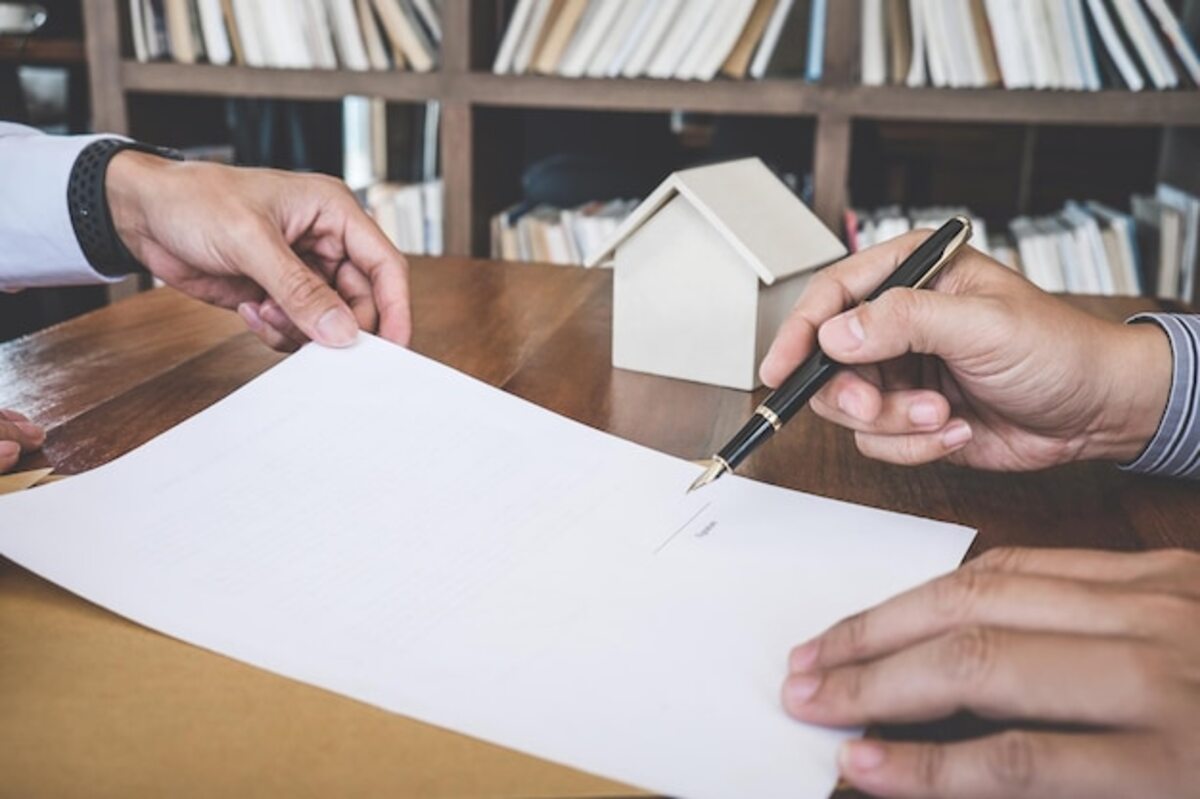
Buying your ideal home in Costa Rica can be an exciting process, but it can also be filled with legal uncertainties. Understanding the legal aspects surrounding property deeds is key to ensuring a safe and smooth transaction. This article will guide you through the essential elements that facilitate the purchase of your dream home, helping you navigate the legal maze with confidence and clarity. Get ready to take a big step towards your new home!
Understanding the importance of deeds in home buying.
The deed is the legal document that certifies ownership of a property and, therefore, is fundamental in any home purchase transaction. Understanding its importance will help you avoid unpleasant surprises and ensure that you are acquiring a property free of encumbrances or liens. Additionally, a properly drafted and registered deed ensures that your investment is protected against potential future claims. Without this document, the purchase would lack legal validity, which could lead to disputes over the property or even the loss of the property.
Another crucial aspect related to deeds is the verification and due diligence process you must undertake before finalizing the purchase. This involves reviewing the background of the property, such as its registration history and whether there are any pending litigations. Ensuring that the deed is properly registered in the Registro Nacional will give you the necessary peace of mind knowing that you are the legitimate owner of the property. In summary, understanding how deeds work and their relevance in the legal context will not only provide you with security during your purchase but also confidence in every step of the way to your new home.
Advertisements
What information must a valid deed contain?
A valid deed is an essential document in the home buying process, as it establishes the transfer of ownership between the seller and the buyer. For this deed to be legally valid, it must contain key information such as the full identification of the parties involved, that is, full names, identification numbers, and addresses of both the seller and the buyer. Additionally, the property subject to the transaction must be described in detail, including its exact location, boundaries, and any relevant features that may affect its value or use.
Another fundamental aspect is the inclusion of the conditions under which the purchase is made, such as the agreed price and payment terms. It is also important to mention if there are any liens or mortgages on the property. Finally, to ensure its legal validity, the deed must be signed before an authorized notary public in Costa Rica. This professional not only verifies the identity of the signers but also ensures that all necessary documentation is in order and in compliance with local regulations. By having a well-drafted and complete deed, you can be sure that your acquisition is legally protected.
Legal process for the drafting of deeds in Costa Rica
The legal process for drafting deeds in Costa Rica is a fundamental step that guarantees the security and validity of the real estate transaction. To initiate this process, it is essential to have the support of a lawyer specialized in real estate, who will guide you through the current regulations and legal requirements. The first step consists of conducting a thorough review of the current property title to verify that there are no encumbrances or legal issues associated. This includes obtaining a cadastral certificate and a registration certification, documents that demonstrate the legal status of the property and ensure that the seller has the right to transfer the property.
Once this review is completed, a public deed is drafted before a notary, who will be responsible for formalizing the sale. The deed must contain detailed information about the parties involved, a description of the property, and the conditions agreed upon between the buyer and seller. Subsequently, this deed must be registered in the National Registry to grant it full legal validity. This registration is crucial, as it protects the rights of the new owner against third parties and secures their investment. Knowing these steps will allow you to face the process with greater confidence and minimize any risks associated with your purchase in Costa Rica.
How to verify the authenticity of a document
Verifying the authenticity of a title is a crucial step in the home buying process in Costa Rica. First, it is essential to ensure that the document is registered in the Registro Nacional de Propiedad. This registry not only validates the existence of the property but also provides information about the current owners and any possible liens or encumbrances that may affect the property. You can request a registration certificate that confirms the legal status of the property to have a clear understanding of its condition before proceeding with the purchase.
Additionally, it is advisable to check if the writing has the necessary signatures and if it has been properly notarized. The presence of a qualified notary ensures that all procedures have been followed correctly and provides an additional layer of protection in case of future disputes. You can also verify the seller's background to ensure there are no pending legal issues related to the property. Taking these precautions will allow you to approach your purchase with greater security and avoid unpleasant surprises in the future.
Tax aspects related to real estate deeds
The tax aspects related to real estate deeds are essential to ensure a successful purchase without surprises in the future. When acquiring a property in Costa Rica, it is crucial to know the taxes that apply to the transaction, such as the real estate transfer tax and the income tax that may arise if you decide to sell the property later. Additionally, it is vital to understand how these taxes can influence the total acquisition cost and what exemptions or tax benefits are available for buyers, which can significantly impact your budget.
In addition to direct taxes, it is also important to consider other expenses associated with real estate escritura. Among them are the notary fees, which are responsible for formalizing the escritura and ensuring that all documents are in order. There are also costs related to the registration of the property in the Registro Nacional, as well as possible municipal fees that may vary depending on the location of your new home. Being clear about these fiscal aspects will not only help you avoid unpleasant surprises during the purchasing process but will also allow you to better plan your investment to fully enjoy your new home in Costa Rica.
The role of the notary: why is it essential in the process?
The figure of the notary is fundamental in the process of buying a home in Costa Rica, as they act as a guarantor of legality and transparency in the transaction. Their role is not limited to formalizing the property deed; they also ensure that all necessary documents are in order, as well as validating the identities of the parties involved. This is crucial to avoid fraud and protect the rights of both the buyer and the seller. Without a properly accredited notary, the risk of facing subsequent legal issues increases significantly.
Additionally, the notary has the responsibility of carrying out a series of procedures that ensure the property is free of liens or encumbrances that could affect your future investment. This includes checking the public registry to confirm that the seller is indeed the owner and that there are no attachments or other financial commitments associated with the property. Essentially, having a competent notary gives you peace of mind and confidence knowing that you are making a safe purchase backed by the law, which is vital to fully enjoy your new home without future worries.
Practical tips to avoid legal issues when buying a home
When embarking on the purchase of a property in Costa Rica, it is essential to take certain precautions to avoid legal issues that may arise during the process. First, make sure to conduct thorough research on the property and its legal history. Verify that there are no liens, encumbrances, or legal disputes associated with the property that could complicate your acquisition. It is advisable to request a registry report from the Registro Nacional, where you can confirm that the seller is indeed the legitimate owner and that the property is free of encumbrances.
Additionally, having the support of a lawyer specialized in real estate can be a great ally in navigating the legal aspects of the buying process. A qualified professional will not only help you interpret contracts and documents but will also be able to identify potentially problematic clauses before signing. Furthermore, make sure you understand all the terms of the purchase contract and do not hesitate to ask questions about any aspect that is not clear. Transparency in this process is key to ensuring a safe transaction without unpleasant surprises in the future.
Advertisements
More in Deeds

Legal Aspects, Deeds
Legal consequences of errors in the drafting of deeds
Legal Aspects, Deeds
Implications of the lack of signature on legal documents

Legal Aspects, Deeds
Importance of writing in the protection of property rights
Legal Aspects, Deeds
The impact of typographical errors in legal writings.
Most viewed in Legal Aspects
Legal Aspects, Deeds
Legal consequences of errors in the drafting of deeds
Legal Aspects, Deeds
Implications of the lack of signature on legal documents
Legal Aspects, Deeds
Importance of writing in the protection of property rights
Legal Aspects, Deeds
The impact of typographical errors in legal writings.