Legal aspects that ensure a safe home purchase

The purchase of a home is one of the most important decisions in anyone's life. However, the process can be filled with uncertainties and legal risks that can compromise your investment. In this article, we will explore the fundamental legal aspects that ensure a safe home purchase in Costa Rica, focusing especially on the importance of deeds. Knowing your rights and obligations will enable you to make informed decisions and protect your assets.
The purchase of a home is one of the most important decisions in anyone's life. Ensuring that this transaction is carried out safely and legally is essential to avoid unpleasant surprises in the future. In this article, we will explore the legal aspects that ensure a secure home purchase in Costa Rica, focusing on the crucial role of notaries and how they can protect your interests. Join us to learn about the essential elements you should not overlook when buying your home.
The purchase of a home is one of the most important steps in anyone's life, and ensuring that this process is safe and legal is essential. In Costa Rica, understanding the legal aspects that support this transaction can make the difference between a successful investment and a financial headache. In this article, we will explore the essential contracts and regulations that guarantee your peace of mind when acquiring a home. Don't leave anything to chance; educate yourself to protect your assets.
Buying a home is one of the most important decisions in life, and ensuring that this process is safe is vital. In Costa Rica, understanding the legal aspects that protect buyers from abusive clauses can make the difference between a successful investment and a financial headache. This article will guide you through the essential elements you should consider to avoid unpleasant surprises and ensure a transparent and secure transaction.
1. What are unfair clauses in purchase agreements?
1. Importance of the purchase agreement in the acquisition of housing
1. The importance of the purchase agreement: What should it include?
1. Importance of Scriptures in Home Buying
The deed of a property is a fundamental document that certifies the legal transfer of ownership from the seller to the buyer. This document not only establishes who the legitimate owner is but also details the characteristics of the property, such as its location, measurements, and boundaries. Without a properly registered deed, the buyer risks acquiring a property with hidden encumbrances, title disputes, or even fraud. Therefore, having clear and verifiable deeds is essential to ensure that your investment is protected and free from legal issues in the future.
The purchase agreement is a fundamental document in the transaction of a property, as it establishes the conditions and terms under which the purchase will take place. This agreement not only protects both parties involved but also provides a legal framework that can be invoked in case of future conflicts or disagreements. It is essential that the contract includes detailed information about the property, such as its location, dimensions, and boundaries, as well as the agreed price and payment conditions. Additionally, it must specify any existing encumbrances or liens on the property to avoid unpleasant surprises for the buyer.
The sales contract is an essential document that formalizes the transaction between the seller and the buyer, establishing the agreed conditions for the acquisition of a home. This agreement not only details the basic information about the property, such as its location and price, but also includes important clauses that protect the rights of both parties. The importance of the contract lies in that it provides a clear legal framework that regulates the relationship between the buyer and the seller, thus minimizing the possibilities of misunderstandings or disputes in the future. Without this document, the purchasing process would lack formality and legal security, exposing those involved to unnecessary risks.
Abusive clauses in sales contracts are provisions that impose unfavorable or disproportionate conditions on one of the parties, usually the buyer. These clauses can disrupt the balance between rights and obligations, creating situations where the consumer is at a disadvantage. For example, they may include excessive penalties for breach, limitations on the seller's liability, or conditions that unjustifiably restrict the buyer's rights. Identifying and eliminating these clauses is essential to protect buyers, ensuring that their investment is safeguarded under fair and reasonable terms.
In many cases, abusive clauses are difficult to detect for a buyer without experience in the legal field. This is why having professional advice during the contract review is essential. A specialized lawyer can help interpret each section of the agreement and identify elements that may be considered abusive under current legislation. By doing so, it promotes not only a safer purchase but also a more equitable process, where both sides of the contract fulfill their responsibilities without falling into legal traps that could compromise the buyer's financial stability in the future.
Additionally, a well-structured purchase agreement must include aspects such as payment conditions, deadlines for the delivery of the property, and responsibilities in the event of possible contingencies. This not only guarantees transparency in the transaction but also allows both parties to understand their legal obligations. In case of default by either party, having a signed contract provides a solid basis for seeking legal remedies or compensation. In summary, investing time in carefully drafting and reviewing the purchase agreement is essential to ensure a secure acquisition and avoid future inconveniences when buying a home.
Another crucial aspect of the purchase agreement is the inclusion of clauses that address potential contingencies, such as financing for the property or approval by regulatory entities. It is also advisable to establish clear deadlines for the completion of each stage of the process, from the initial deposit to the final delivery of the property. Ensuring that these elements are included in the contract not only provides peace of mind during the transaction but also reinforces the legal security necessary to carry out a home purchase without future complications.
Additionally, the deeds are crucial to ensuring transparency in the buying and selling process. By reviewing these documents alongside a specialized lawyer or a notary public, one can verify that there are no liens or encumbrances on the property. This includes outstanding mortgages, foreclosures, or other legal restrictions that could affect your right to fully enjoy the property. Furthermore, a well-drafted deed ensures that all terms agreed upon by the parties are formally documented, which protects both the buyer and the seller from potential misunderstandings or future conflicts.
2. Types of Writings: Which One is the Most Suitable?
2. The role of the public notary in home buying
2. Key elements that a real estate contract must contain
2. The importance of the contract: legal aspects you cannot ignore
The drafting of a purchase agreement is a crucial stage in the process of acquiring a home. This document not only establishes the conditions and terms agreed upon by the buyer and the seller but also acts as a legal tool that protects the rights of both parties. A well-drafted contract should include detailed information about the property, the agreed price, payment methods, and any specific conditions that have been negotiated. Ignoring these details can lead to misunderstandings or even legal disputes in the future, so it is essential to approach this aspect with seriousness and attention.
A real estate contract must contain key elements that protect both the buyer and the seller in the transaction. First, it is essential to include the complete identification of the parties involved, which includes names, identification numbers, and addresses. This information ensures that both parties are properly represented and legally recognized. Additionally, the object of the contract must be specified, meaning a detailed description of the property being sold, including its location, features, and any encumbrances or liens that may affect its value.
The public notary plays an essential role in the home buying process, as they act as a guarantor of legality and transparency in the transaction. Their main function is to ensure that all documents related to the purchase are properly drafted and comply with current legal regulations. This includes verifying the seller's ownership, ensuring that there are no liens or outstanding debts on the property, which is crucial to protect the buyer from potential future inconveniences. The notary's intervention provides an additional layer of security, as their signature and seal officially validate the purchase agreement.
The types of deeds are fundamental in the process of purchasing a home, as they determine the nature of the right being acquired. Among the most common are the public deed and the private deed. The public deed, executed before a notary, is the safest and most advisable type, as it provides a strong legal backing and ensures the formality of the act. This type of deed is usually essential for registering the property in the National Registry, which protects you against potential future claims. On the other hand, while the private deed may be quicker and less expensive, it lacks certain legal guarantees that could jeopardize your investment.
It is crucial to understand which type of deed fits your needs before making a purchase. While some transactions may be carried out with private deeds under specific circumstances, it is always advisable to opt for a public deed to ensure that all legal aspects are covered and to avoid unpleasant surprises after the purchase. Furthermore, by choosing a competent and reliable notary to draft the public deed, you ensure not only compliance with legal requirements but also receive advice on any additional aspects relevant to your particular situation. At the end of the day, investing time in understanding these aspects can make all the difference in securing your assets in the long term.
Additionally, the notary public is also responsible for registering the new owner in the National Registry, a fundamental step to ensure that the buyer obtains full rights over the acquired property. Without this registration, the buyer could face legal issues if claims were made about the property by third parties. Furthermore, the notary has the responsibility to inform both parties about their rights and obligations within the contract, thereby facilitating clear communication and avoiding misunderstandings. In summary, having the services of a notary public is not just a formality; it is a key measure to ensure that your purchase is secure and protected against any legal eventualities.
Another fundamental aspect is to establish the sale price and payment conditions. This includes not only the agreed amount but also the payment terms and methods that will be used. Additionally, it is important to include clauses related to the fulfillment of obligations by both parties, such as the delivery of the property in suitable conditions and the guarantee that there are no legal issues associated with the property. The inclusion of these provisions ensures clarity regarding expectations and responsibilities, thereby minimizing potential future disputes between the parties involved.
Additionally, it is essential to consider the inclusion of clauses that protect the buyer against potential eventualities, such as hidden defects in the property or breaches by the seller. These clauses can establish warranties or conditions for a refund in case unexpected issues arise after the purchase. It is also advisable to consult with a lawyer specialized in real estate before signing any contract. Their advice can provide you with a clear understanding of the legal aspects involved and help you identify any abusive or unfavorable clauses that could jeopardize your investment. Ultimately, a good contract not only reflects an agreement between parties but also serves as a solid foundation for a secure and transparent transaction.
3. Buyer rights against abusive clauses
3. The role of the notary: why is it essential?
3. Property verification: How to ensure it is free of liens?
3. Legal Verification: How to Ensure that the Deeds are Valid
The legal verification of the deeds is a crucial step in the home buying process, as it ensures that the property is free of encumbrances and that the seller has the authority to carry out the transaction. It is essential to check if the deeds are properly registered in the National Registry, which guarantees their legal validity. Additionally, it is advisable to verify if there are any liens, mortgages, or any type of limitation on the property that could affect your acquisition. Consulting with a lawyer specialized in real estate can be invaluable at this stage, as they will help you interpret the documents and identify potential hidden risks.
The verification of property is an essential step in the home buying process, as it ensures that the property is free of liens and other legal issues. Before making any transaction, it is crucial to request a lien certificate from the National Registry, where information about possible mortgages, foreclosures, or third-party rights that may affect the property can be obtained. This document provides clarity on the legal status of the property and allows the buyer to make informed decisions, avoiding future inconveniences. In addition to the lien certificate, it is advisable to thoroughly review the background of the current owner. This includes checking for any pending complaints or legal disputes related to the property. Consulting with a lawyer specialized in real estate can be invaluable at this stage; their expertise will help identify possible hidden risks and provide advice on how to proceed to ensure a safe purchase. By taking these precautions, buyers can feel more at ease knowing that they have taken appropriate steps to protect their investment in the home they wish to acquire.
The role of the notary is crucial in the process of purchasing a home, as their function goes beyond simply authenticating documents. In Costa Rica, the notary acts as a guarantor of legality and transparency in real estate transactions. Their work includes verifying the identity of the parties involved, ensuring that there are no liens or encumbrances on the property, and drafting public deeds that formalize the transfer of assets. This provides buyers with a strong legal backing, minimizing risks and preventing potential fraud.
The rights of the buyer against abusive clauses are fundamental to protect their investment and ensure that the transaction is carried out fairly. In Costa Rica, the legal framework includes various regulations that seek to safeguard the consumer's interest, allowing any clause deemed disproportionate or unfair to be challenged. For example, the Civil Code establishes that clauses that limit the seller's liability or those that create excessive disadvantages for the buyer may be considered null. This means that buyers have the right to demand fair and clear terms in their purchase contracts.
Additionally, buyers must be aware of their right to receive complete and truthful information about the property in question. Abusive clauses may include hiding structural defects, limitations on utilities, or restrictions on access to the home. Therefore, it is essential to conduct a thorough review of the contract and request clarifications on any confusing or ambiguous terms before signing. By knowing their rights and being informed about current legal policies, buyers can make more secure decisions and avoid unfavorable financial commitments. Proper legal advice can be a great ally in this process, thus ensuring a successful purchase without unexpected inconveniences.
Additionally, the notary has the responsibility of advising buyers on the legal implications of their acquisition. This can include information about rights and duties related to the property, as well as potential tax obligations. With a trained professional by their side, future owners can make informed decisions and avoid unpleasant surprises in the future. For these reasons, incorporating the notary into the purchase process becomes a smart investment that ensures not only the legality of the act but also the emotional peace of the buyer knowing they are making a secure transaction.
Another important aspect of legal verification is confirming the identity of the seller and their ability to sell the property. Make sure to request documents such as identification card, previous deed, and any other relevant documents that support their right over the property. It is also useful to investigate if there are any legal backgrounds related to the seller or the property itself. A thorough analysis will not only provide you with peace of mind during the purchasing process but will also help protect your long-term investment by avoiding future legal conflicts.
4. National Registry: The Key to Secure Property
4. Registration in the National Registry: Key to legal security
4. Title verification: ensuring ownership without surprises
4. How to identify potentially harmful clauses
Identifying potentially harmful clauses in a home purchase contract is crucial to protect your interests as a buyer. It is essential to read each section of the document carefully, paying special attention to terms and conditions that may seem ambiguous or disadvantageous. Clauses that limit your rights, such as waiving legal actions or imposing excessive penalties for breach, are warning signs. Additionally, it is important to be alert to any provision that grants the seller additional rights over the property after the purchase, which could limit your ability to fully enjoy your new home.
Title verification is a crucial step in the home buying process, as it ensures that the seller has the legal authority to transfer the property. This involves reviewing the property's title history, making sure there are no liens, mortgages, or legal disputes that could affect your acquisition. In Costa Rica, it is advisable to consult a lawyer specialized in real estate law who can carry out this due diligence and provide you with a detailed report on the status of the title. This precaution not only protects your investment but also gives you peace of mind knowing that you are acquiring a property free of unpleasant surprises.
Registration in the National Registry is an essential step that should not be overlooked when acquiring a property. This process provides legal security for both the buyer and the seller, as it formalizes the transfer of ownership and ensures that the rights over the property are duly recognized by law. By registering the purchase, the new owner can avoid future conflicts regarding the title of the asset and protect themselves from potential claims by third parties, thus safeguarding their investment. Moreover, the National Registry acts as a publicity system that provides transparent information about properties. By consulting this registry, interested parties can learn relevant background information about the property, such as liens, encumbrances, or legal limitations. This information is vital for making informed decisions and minimizing risks in the purchase. In summary, having proper registration in the National Registry not only reinforces the legal security of the transaction but also helps establish a trustworthy environment for all parties involved.
The National Registry is an essential tool for ensuring security in the purchase of a property. This organization is responsible for keeping a rigorous control over the ownership and rights related to real estate, allowing buyers to know the legal status of the property before making any transaction. By registering the deeds of a property in the National Registry, the legal act is made public, meaning that anyone can verify who the legitimate owner is and whether there are any liens or encumbrances on the property. This transparency not only protects the buyer but also helps maintain trust in the real estate market.
Additionally, the National Registry offers mechanisms to prevent fraud and subsequent legal conflicts. By consulting this registry, interested parties can identify potential issues, such as liens or undisclosed mortgages by the seller. In this way, the risks associated with purchasing properties with complicated legal histories are minimized. Therefore, it is advisable for anyone interested in acquiring a property to conduct a thorough consultation in the National Registry before proceeding with the purchase. This ensures a safer and more effective investment, preserving their assets in the long term.
Additionally, title verification includes checking for any specific restrictions or regulations that may affect your future use of the property. For example, some properties may be subject to environmental or zoning conditions that limit their development or modifications. A thorough review of the title ensures that there are no surprises later, allowing you to fully enjoy your new home without additional concerns. In summary, investing time and resources in proper title verification is a crucial step to ensure a safe purchase and protect your long-term assets.
Another aspect to consider is the language used in the contract; many times, legal terms can be confusing and designed to favor the seller. If you encounter complex phrases or technical jargon that you do not fully understand, do not hesitate to seek specialized legal advice before signing. Additionally, check for the inclusion of clauses related to hidden additional costs or restrictive conditions regarding future modifications to the property. By being proactive and scrutinizing these details, you can avoid unpleasant surprises and ensure a safer and more satisfactory purchase.
5. The role of the lawyer in home buying: essential legal protection
5. Common clauses in sales contracts that you should know
5. Tax Implications When Buying a Home: What You Need to Know
5. Tax aspects to consider during the purchase
When purchasing a home, it is essential to take into account the tax aspects that may impact your investment. One of the main elements to consider are the taxes related to property purchase, such as the real estate transfer tax and property tax. These levies can vary depending on the location and specific characteristics of the property, so it is crucial to get properly informed about them before closing any deal. Additionally, it is advisable to consult with a tax advisor or specialized lawyer to ensure you understand all your tax obligations and avoid unpleasant surprises in the future. Another aspect to consider is the tax deductions available for homeowners. In many cases, there are tax benefits related to mortgage loans or improvements made to the property. Knowing these incentives can help optimize your tax situation in the long run. Also, check if there are government programs that offer financial support or tax exemptions for new buyers, as this could ease your acquisition process and make your real estate investment more accessible. Staying aware of all these details will allow you to make informed decisions and maximize the value of your new home.
The purchase of a home not only involves an emotional and financial commitment but also carries significant tax implications that every buyer should consider. In many countries, including Costa Rica, acquiring a property can trigger various tax obligations, such as the property transfer tax and annual property taxes. It is essential for buyers to be informed about these levies to avoid surprises in the future and ensure compliance with all current tax regulations. Additionally, understanding how these responsibilities can affect your budget will allow you to better plan your long-term finances.
The clauses in purchase agreements are essential elements that protect both the seller and the buyer during the transaction. Among the most common are the description of the property, the agreed price, and the payment conditions. It is crucial that these clauses are clear and specific to avoid future misunderstandings. Additionally, it is advisable to include a penalty clause for breach of contract, which provides a legal remedy in case one of the parties fails to comply with the agreement. Being informed about these provisions will allow you to make more secure decisions.
The role of the lawyer in the purchase of a home is essential to ensure the legal protection of buyers. This professional not only acts as an advisor in the acquisition process but also takes care of reviewing and drafting the necessary contracts, ensuring that all clauses are fair and clear. Their experience allows them to identify potential legal risks, such as liens or issues with the property, providing peace of mind to the buyer. Additionally, the lawyer can mediate in negotiations between the parties involved, always seeking the best interest for their client.
The lawyer's intervention goes beyond simple document review; it also includes verifying compliance with regulatory and tax obligations related to the property. This involves ensuring that building permits are in order and that there are no outstanding debts related to taxes or utilities. By having a lawyer during this process, buyers can avoid unpleasant surprises after closing the deal. In summary, having a specialized lawyer guarantees not only a secure transaction but also a solid long-term investment.
Another important clause is related to the delivery of the property and its conditions. It is essential to define when and how this delivery will take place, as well as whether there are possible repairs or improvements to be made before it. It is also worth mentioning the clauses regarding taxes and expenses associated with the purchase, as these can vary significantly and affect your final budget. By familiarizing yourself with these common clauses in purchase agreements, you will be able to navigate the process with greater confidence and ensure a safer and more transparent transaction.
It is also crucial to consider the available tax deductions when purchasing a home. In some cases, there is the possibility of deducting certain expenses related to the acquisition of the property, which can represent a significant relief in your annual tax burden. Therefore, consulting with a tax expert can be key to maximizing the economic benefits derived from your real estate investment. In summary, understanding the tax implications associated with buying a home will not only help you avoid future legal issues, but also allow you to make more strategic decisions regarding your assets and their potential growth.
6. Buyer’s Rights: Protecting Your Real Estate Investment
6. Due Diligence: Why is it important to investigate before buying?
6. Legal consequences for breach of contract
6. Common examples of abusive clauses in the Costa Rican market
In the Costa Rican market, it is essential to be vigilant about abusive clauses that may appear in property purchase agreements. A common example is the inclusion of clauses that limit or exclude the seller's liability for hidden defects in the property. This can leave the buyer unprotected against structural or legal issues that were not disclosed during the negotiation process, turning what seemed like a good investment into a significant long-term problem. It is crucial to read every detail of the contract carefully and demand adequate guarantees before signing.
The breach of a purchase-sale contract for housing can have serious legal consequences for both the buyer and the seller. In Costa Rica, the law establishes that if one of the parties fails to comply with the obligations set forth in the contract, the other party has the right to demand the enforcement of the agreement or, alternatively, to request damages. This means that if the seller does not deliver the property on the agreed date or if the buyer refuses to pay the agreed amount, legal actions can be taken that could result in fines or even the termination of the contract. In addition to lawsuits for breach, it is important to consider the additional implications that may arise. For example, the legal costs associated with litigation can be significant and affect your financial situation. There may also be repercussions on your credit history if lawsuits related to the purchase of the housing are filed. For these reasons, it is crucial to have appropriate legal advice before signing any contract and to ensure that all clauses are clear and fair to both parties. Taking precautions from the outset will help you avoid future complications and ensure a safer and more transparent transaction.
Due diligence is an essential process that must be carried out before finalizing the purchase of a property. This process involves thoroughly investigating all legal and financial aspects related to the property in question. From verifying that the seller has legitimate ownership of the property to ensuring that there are no debts, liens, or associated legal issues, every detail matters. Ignoring this stage can lead to complicated situations in the future, such as legal disputes or unexpected financial losses.
The protection of buyers' rights is an essential pillar in the process of purchasing a home. Every buyer has the right to receive clear and truthful information about the property they are considering. This includes the legal status of the property, any encumbrances or liens it may have, as well as any limitations that affect its use or enjoyment. By knowing these aspects, the buyer can more effectively evaluate whether the investment meets their expectations and needs, thus ensuring a more transparent and secure transaction.
In addition to pre-purchase information, the buyer's rights also encompass post-sale aspects. Once the property is acquired, the new owner has the right to fully enjoy their investment without undue interference. This means they must be protected against potential claims from third parties or issues arising from unresolved legal situations prior to the purchase. Having proper legal backing and advice throughout the process ensures that your real estate investment is safeguarded against any future eventualities. Knowing and asserting these rights is essential to enjoy your new home with confidence and peace of mind.
Additionally, conducting thorough research allows the buyer to make more informed decisions and trust in the transaction. By having a clear overview of the legal status of the property and its history, unpleasant surprises that could arise after the purchase can be avoided. Therefore, dedicating time and resources to due diligence not only protects your investment but also provides peace of mind knowing that you have made a well-founded and secure decision in one of the most significant moments of your life.
Another common case is the clauses that grant the seller the right to cancel the sale without prior justification or under unclear conditions. This situation can create uncertainty for the buyer, who may have already made significant investments in the property, such as down payments or expenses related to moving and improvements. To avoid these inconveniences, it is recommended to include specific terms regarding the conditions that could lead to a cancellation and establish penalties for non-compliance. Knowing these examples will help future owners negotiate fairer contracts and protect their interests in the purchasing process.
7. What to do if you find an abusive clause in your contract
7. How to resolve contractual disputes in the real estate sector
7. The figure of the power of attorney: Advantages and disadvantages
7. Legal Procedure for Property Transfer
The legal procedure for the transfer of ownership is a crucial aspect of purchasing a home, as it ensures that the new owner acquires legal rights over the property. This process begins with the drafting of a purchase agreement, where the conditions agreed upon by the parties are detailed. Once signed, it is essential to carry out the registration of the transfer in the National Registry, which provides the buyer with additional protection and ensures that property rights are officially recognized. The absence of this step can lead to legal disputes in the future and jeopardize the investment made.
The figure of the power of attorney is a legal instrument that allows a person to designate another to act on their behalf in various matters, including the purchase of property. One of the main advantages of using a power of attorney in this context is the ease and speed with which transactions can be carried out, especially if the buyer cannot be physically present. This is particularly useful in processes where time is essential, such as in auctions or when there are multiple offers on a property. Additionally, by granting a power of attorney to a legal professional, such as a lawyer or a notary, it ensures that the procedures are carried out in accordance with the law, which adds an extra layer of security. On the other hand, there are disadvantages associated with the use of the power of attorney that must be carefully considered. One of the main risks is the possibility of abuse by the attorney-in-fact, who could act contrary to the interests of the grantor if not properly selected or if the conditions of the power are too broad. Furthermore, it is essential to ensure that the document is drafted correctly and is duly registered with the competent authorities to avoid future legal disputes. In summary, while the power of attorney can significantly facilitate the process of purchasing property, it is crucial to weigh its advantages and disadvantages before opting for this legal tool.
To resolve contractual disputes in the real estate sector, it is essential to have a clear and legally grounded approach. The first recommendation is always to seek mediation as an initial option before resorting to legal action. Mediation allows both parties to discuss their differences with the help of an impartial third party, thus facilitating an agreement that is satisfactory for all. Additionally, having the advice of a lawyer specialized in real estate law can provide valuable insight into the legal points in dispute and help avoid misunderstandings that could escalate into more serious conflicts.
Upon finding an abusive clause in your home purchase contract, the first thing you should do is carefully document the clause in question. It is essential to understand which aspects are considered abusive under current legislation. In many cases, these clauses may include disproportionate conditions that favor only the seller or unfair limitations on the buyer's rights. Once the problem is identified, it is advisable to seek legal advice to evaluate your options and determine if it is possible to renegotiate the terms of the contract before proceeding with the purchase.
If renegotiation is not feasible or if the seller refuses to modify the abusive clause, you might consider filing a complaint with the relevant authorities. In Costa Rica, there are organizations dedicated to protecting consumer rights that can offer you guidance on how to proceed. Additionally, it is important to keep in mind that abusive clauses are often null and lack legal effect; therefore, you could be in a favorable position if you decide to take the case to court. Protecting your interests is essential to ensure a safe home purchase and avoid future complications.
If mediation proves ineffective, it is crucial to understand the clauses of the original contract, as these will determine the steps to take. A well-drafted contract should include clear mechanisms for dispute resolution, such as the possibility of arbitration or litigation. It is also advisable to document all communications and prior agreements between the parties involved. Having this information organized can be decisive if the conflict goes before a judge or arbitrator, thereby ensuring that your rights are protected and that what was initially stipulated in the agreement is respected.
Additionally, it is important to mention that during this process various preliminary steps must be taken, such as verifying existing liens or mortgages on the property. This involves consulting public records to ensure there are no legal impediments affecting the sale. Furthermore, having the guidance of a specialized real estate attorney can be invaluable; this professional will assist in reviewing all necessary documents and will ensure that each stage of the process is conducted in accordance with the law. By following these steps diligently, you can enjoy a safer and smoother transaction.
8. Common Mistakes When Handling Deeds and How to Avoid Them
8. Rights and obligations of the buyer and seller
8. Recommendations to avoid fraud in home purchases
8. Resources and organizations for legal advice in real estate purchases
For those considering the purchase of a home, having the right support is essential to navigate the complex legal landscape. In Costa Rica, there are various resources and organizations that offer specialized legal advice in the real estate field. Among them are professional associations, consumer groups, and non-governmental organizations that provide information and guidance on buyers' rights, as well as on the regulations in force in the sector. These entities can be an invaluable starting point for better understanding the legal aspects involved in the transaction and ensuring that all the clauses of the contract are fair and transparent.
The purchase of a home can be a fertile ground for fraud if proper precautions are not taken. To avoid falling for scams, it is essential to conduct thorough research on the property and the seller. Make sure to verify the legitimacy of the title through the National Registry, where you can confirm that there are no liens or legal issues associated. Additionally, it is advisable to request copies of key documents and review their authenticity with a lawyer specialized in real estate to ensure everything is in order before proceeding with the purchase.
In a home purchase transaction, both the buyer and the seller have rights and obligations that must be respected to ensure a safe and transparent operation. The buyer has the right to receive all pertinent information about the property, including its legal status, existing encumbrances or liens, and any defects that may affect its use or value. Additionally, they have the obligation to make the agreed payment within the established deadlines, as well as to cooperate with the necessary procedures to formalize the transaction before the competent authorities. On the other hand, the seller is obliged to provide truthful and complete documentation about the property and must ensure that it is free from legal issues that could compromise the sale.
When handling paperwork during the home buying process, it is common to make mistakes that can have significant repercussions on the legality and security of the transaction. One of the most frequent errors is failing to verify the legitimacy of the seller or the conditions of the property title. This can lead to complicated situations where the buyer becomes a victim of fraud or legal disputes. To avoid this problem, it is essential to conduct thorough research on the property's history and ensure that there are no liens, mortgages, or other rights that may affect your ownership.
Another common mistake is the lack of proper review of the written content before signing. By not paying attention to details such as incorrect descriptions of the land, omissions in important clauses, or unfavorable conditions, the new owner could find themselves facing unpleasant surprises in the future. To prevent this, it is advisable to have appropriate legal advice and to conduct a thorough reading of the document. A specialized lawyer can help you identify potential issues and ensure that all legal aspects are properly addressed, thereby providing you with greater peace of mind in your real estate investment.
The protection of both sides is essential to avoid future conflicts. If either party fails to meet its obligations, this can lead to legal claims and complications in the buying and selling process. For example, if a seller conceals relevant information about the property, the buyer may have the right to claim compensation for damages. Similarly, if a buyer does not fulfill their financial commitment without valid justification, the seller may have the right to terminate the contract and seek other buyers. Therefore, it is essential to have appropriate legal advice throughout the process to ensure that the rights and obligations of both parties involved in the transaction are respected.
Another crucial aspect is to be wary of offers that seem too good to be true. If a price is significantly below market value, it could be a sign of fraud. Additionally, avoid making cash payments or transfers without a formal contract; always use secure and documented methods for any transaction. Finally, consider involving professionals such as real estate agents or lawyers throughout the process; their expertise can help you identify red flags and ensure that your purchase is both safe and legal.
It is also advisable to consult with lawyers specialized in real estate law, who can provide a thorough review of the purchase contract and help identify potential risks or abusive clauses before signing. There are also digital platforms where you can access guides, legal documents, and other informational resources that facilitate the understanding of the obligations of both the buyer and the seller. Do not underestimate the importance of having professional advice; investing time in researching these resources can save you future problems and ensure that your buying experience is as safe as possible.
9. Conflict resolution: What to do if legal issues arise?
When legal issues arise during the home buying process, it is crucial to address the situation calmly and with a strategic approach. The first step is to review all documents involved in the transaction, including contracts, deeds, and any prior communication with the seller or their representative. Having all this information on hand will facilitate the identification of the source of the conflict and allow the parties involved to understand their rights and obligations. In many cases, open dialogue between the parties can resolve misunderstandings before they escalate into more serious conflicts.
If the conflict persists, it is advisable to seek specialized legal advice in real estate. An experienced lawyer can not only provide you with a clear understanding of your legal options but also guide you through the necessary process to resolve the issue. This may include additional negotiations, mediation, or even litigation if necessary. It is important to remember that acting quickly can help limit any potential damage and protect your investment, ensuring that your home purchase remains a safe and legally valid transaction.
Most viewed articles in the category Legal Aspects

Legal implications of confidentiality clauses in contracts
Discover the legal implications of confidentiality clauses in contracts and how they affect your business. Protect your valuable information today..
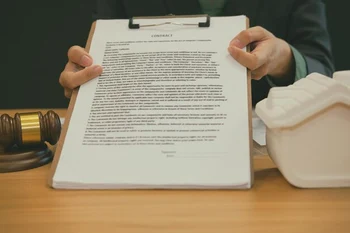
Legal consequences of force majeure clauses in contracts
Discover the legal implications of force majeure clauses in contracts and how they can affect your rights and obligations..

Legal consequences of errors in the drafting of deeds
Discover the serious legal consequences that can arise from errors in drafting deeds and how to avoid them to protect your interests..

Consequences of the lack of formality in legal contracts
Discover the serious consequences of not formalizing legal contracts. Protect your interests and avoid conflicts with this essential guide..