
Crucial legal aspects when acquiring your property in Costa Rica
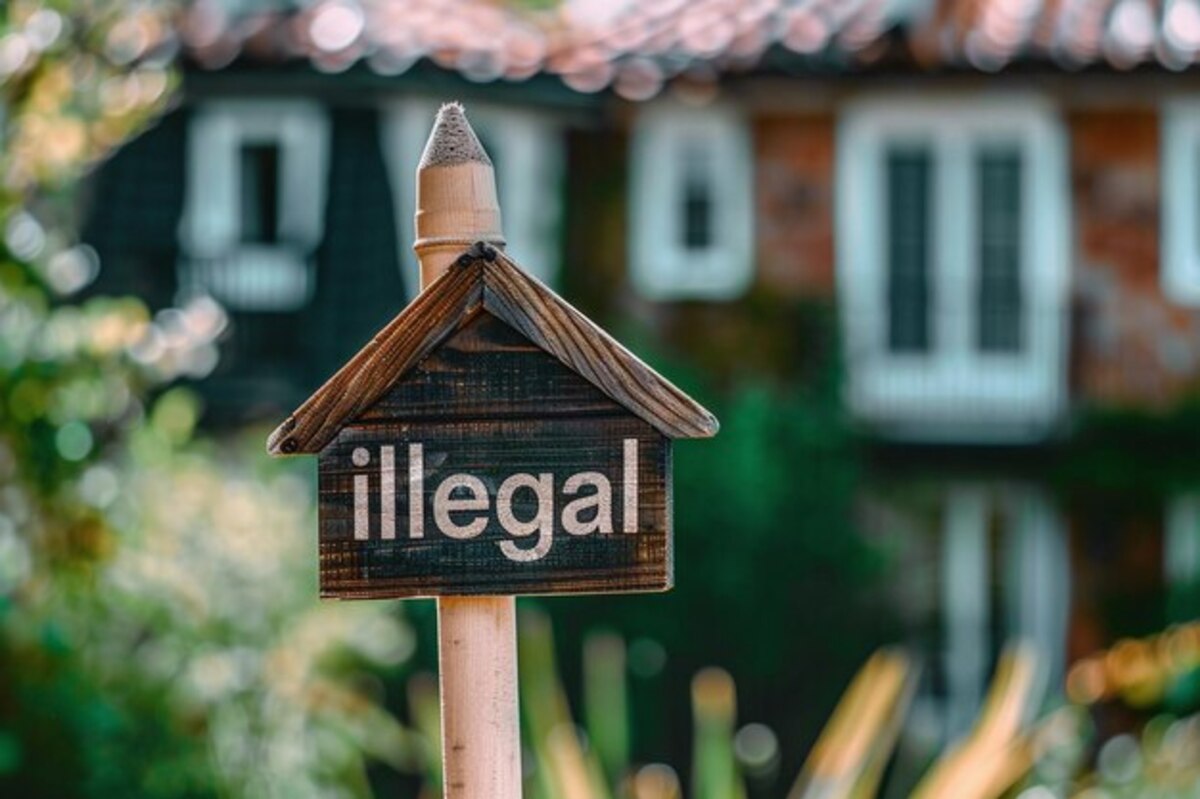
When acquiring a property in Costa Rica, it is essential to understand the legal aspects that ensure a secure and hassle-free investment. From title verification to understanding local regulations, every detail matters to protect your rights as a property owner. This article will guide you through the essential legal responsibilities you should consider when taking this important step. Make sure you are well-informed to fully enjoy your new home in this beautiful country.
Importance of verifying the property title
The verification of the property title is a crucial step in the process of acquiring a home in Costa Rica. This document not only establishes who the legitimate owner of the property is, but also details any encumbrances or liens that may affect it. By ensuring that the title is clean and free of legal issues, you protect your investment and avoid potential future conflicts with third parties. Without proper verification, you could find yourself facing unexpected situations, such as claims from former owners or unresolved interests that could compromise your right to fully enjoy the property.
Additionally, Costa Rican law provides a specific regulatory framework regarding property titles, which means that there are established procedures to verify their validity. It is advisable to consult a lawyer specializing in real estate to carry out this process; they have the necessary knowledge to identify irregularities and ensure that all documents are in order. In this way, you not only ensure that you are acquiring a legally sound property, but you also gain peace of mind knowing that you have taken all necessary precautions against potential legal issues.
Advertisements
Analysis of liens and encumbrances on the property
When acquiring a property in Costa Rica, it is crucial to conduct a thorough analysis of liens and encumbrances that may affect the property. This involves checking for any mortgages, foreclosures, or other limitations that could compromise your investment. A lien can restrict the use of the property or even lead to unexpected financial problems in the future. Therefore, it is advisable to request a report from the Registro Nacional to obtain clear and precise information about any encumbrances on the property, thus ensuring that your purchase is transparent and free of unpleasant surprises.
It is also important to consider the administrative burdens or restrictions imposed by the local municipality, such as easements or land use regulations. These can influence not only how you can enjoy your property but also its long-term value. Before finalizing any transaction, consult with a real estate attorney who can help you interpret the legal documents and identify potential risks associated with existing burdens. Taking these precautions will allow you to protect your investment and fully enjoy your new home in Costa Rica.
Contracts: essential elements you cannot ignore
When approaching the purchase of a property in Costa Rica, it is essential to pay attention to the contracts involved in the process. A well-drafted contract not only establishes the terms of the transaction but also protects both parties involved. Key elements that must be included are the precise identification of the contracting parties, a detailed description of the property, and the payment conditions. Ignoring any of these aspects can lead to misunderstandings and future legal complications. Therefore, it is advisable to seek the advice of a lawyer specialized in real estate to ensure that all aspects are properly covered.
It is also essential to consider the clauses related to contingencies and possible penalties for non-compliance. These refer to specific situations that may affect the purchase or sale of the property, such as prior legal issues associated with the title or the seller's inability to fulfill their obligations. Including these contingencies provides an additional layer of security during the process. Additionally, make sure to fully understand any additional costs associated with the contract, such as taxes or notary fees, as these can impact your overall budget and final decision regarding the acquisition.
Tax responsibilities when acquiring a property
When acquiring a property in Costa Rica, it is essential to be aware of the tax responsibilities that arise from this transaction. One of the most relevant aspects is the payment of the property tax, commonly known as 'impuesto territorial.' This tax is calculated based on the value of the property and must be paid annually to the corresponding municipality. Ignoring this obligation can result in penalties and the accumulation of interest, which could complicate your situation as a property owner. Therefore, it is advisable to conduct proper tax planning from the moment of purchase to avoid unpleasant surprises in the future.
In addition to the property tax, new owners should consider other associated expenses such as the property transfer tax, which typically amounts to 1.5% of the property's value and is paid when formalizing the deed before a notary. It is also essential to be informed about municipal rates and any other taxes that may apply depending on the location or specific characteristics of the acquired property. Ensuring compliance with these tax responsibilities will not only help you maintain a good relationship with local authorities but also ensure that your investment is protected against potential legal issues in the future.
Environmental regulations and their impact on purchasing
Environmental regulations in Costa Rica are a crucial aspect to consider when acquiring a property, as the country is known for its commitment to sustainability and the conservation of its natural resources. Environmental legislation regulates land use, protected areas, and the necessary permits for developing real estate projects. When buying a property, it is essential to ensure that it complies with all current environmental regulations, which not only guarantees responsible development but also protects your investment against potential penalties or future litigation. Additionally, compliance with these regulations can significantly influence the resale value of your property. Areas that are well-preserved and meet environmental standards tend to be more attractive to potential buyers. On the other hand, investing in land located in areas with environmental restrictions could limit your development possibilities and negatively affect your return on investment. Therefore, it is advisable to consult local experts and conduct a detailed analysis of the environmental implications before finalizing any purchase.
Understanding these regulations will not only help you avoid legal issues in the future, but it will also allow you to actively contribute to the well-being of the Costa Rican natural environment. At the end of the day, being a responsible owner goes beyond having a house; it is also about being an integral part of the local ecosystem and promoting sustainable practices that benefit both the community and the environment as a whole.
The figure of the real estate attorney: why is it crucial?
The role of the real estate attorney is essential in the property acquisition process in Costa Rica, as their expertise ensures that all transactions are conducted in accordance with the law. This professional not only verifies the validity of property titles but also investigates possible liens or legal disputes that may affect the purchase. Thus, having a specialized attorney not only provides you with peace of mind but also ensures that your investment is protected against potential future issues.
Additionally, a real estate lawyer can provide you with advice on specific aspects of Costa Rican real estate law and the local regulations that must be followed. This includes contract review, management of necessary permits, and compliance with environmental regulations. Without their help, you could face unpleasant surprises that could have been avoided, such as issues with land use or construction restrictions. Ultimately, investing in the services of a real estate lawyer is a smart decision for any buyer looking to protect their interests and ensure a satisfactory experience when acquiring their home in this beautiful country.
Legal implications of properties in coastal areas
When acquiring property in coastal areas of Costa Rica, it is crucial to understand the legal implications that may affect your investment. The Maritime Terrestrial Zone Law establishes a protection limit that extends up to 200 meters from the high tide line, meaning that any construction or activity in that strip is subject to specific regulations. This implies that not all properties in these areas are fully buildable and may require special permits for development. Additionally, it is important to check for any additional restrictions from municipalities or environmental institutions, as compliance with these regulations is essential to avoid penalties and ensure the legality of your property's use.
Another important aspect to consider is the rights to public access to beaches. In Costa Rica, everyone has the right to access the beach, which can affect the privacy and enjoyment of your property by the sea. It is essential to be informed about the boundaries of the land and ensure that there are no conflicts with public pathways or established easements. Additionally, consult with a real estate lawyer to ensure that all documents are in order and to prevent future legal issues related to the use and enjoyment of your coastal property. Ensuring clarity on these aspects will allow you to fully enjoy your new home without unpleasant surprises.
Cultural and community aspects to consider legally
When considering the purchase of a property in Costa Rica, it is essential to not only focus on the formal legal aspects but also pay attention to the cultural and community aspects that can influence your experience as a homeowner. Each region of the country has its own customs and traditions, which can affect your relationship with neighbors and the community in general. It is advisable to familiarize yourself with these cultural particularities to avoid misunderstandings and foster good interpersonal relationships, as well as contribute to respect for local social norms. On the other hand, it is also important to understand how legal regulations are integrated within the community context. Some areas may have specific regulations that reflect the needs or concerns of the local population, such as restrictions on the use of certain properties or requirements for construction. These laws can vary significantly between different communities, so it is crucial to conduct proper research and consult with local experts before making definitive decisions about your real estate investment. Appreciating both the legal and cultural aspects will allow you to not only protect your rights as a homeowner but also integrate harmoniously into your new environment.
Procedures for registration in the National Registry
To formalize the acquisition of a property in Costa Rica, one of the most important steps is registration in the National Registry. This procedure not only guarantees legal security over your property but also allows third parties to know your status as the owner. To carry out this registration, it is necessary to have a set of documents that support the transaction, such as the duly signed purchase agreement and the corresponding proof of payment, as well as the cadastral plan if applicable. Once these documents are gathered, you must go to a notary where the corresponding process will take place.
The registration process may vary slightly depending on the type of property and its geographical location, but it generally follows a standard procedure that involves submitting documentation to the National Registry. It is advisable to have appropriate legal advice to ensure that all requirements are met and to avoid potential future inconveniences. Remember that proper registration not only protects your investment but also provides peace of mind knowing that your property is duly registered and recognized by the competent authorities in Costa Rica.
Legal consequences for breach in the purchase
When acquiring a property in Costa Rica, it is crucial to understand the legal consequences that may arise from non-compliance in the purchase. In this context, the term "non-compliance" refers to situations where one of the parties does not fulfill the terms agreed upon in the purchase agreement. This can include anything from failure to pay to the non-delivery of the property in the agreed conditions. The legal repercussions can be severe, including lawsuits for damages as well as the possibility of losing the deposit or advance made to secure the purchase. It is essential for both parties to clearly understand their rights and obligations to avoid future conflicts.
Additionally, a breach can lead the buyer to face additional complications related to their investment. For example, if the seller fails to deliver the title of property free of encumbrances, the buyer could become involved in prolonged and costly litigation that affects their ability to fully enjoy their new acquisition. To mitigate these risks, it is advisable to seek the counsel of a real estate attorney before signing any agreement. This will ensure that all legal aspects are clear and that both sides understand the implications of their contractual commitments, thus protecting their investment and ensuring a successful transaction.
Advertisements
More in Legal Responsibilities

Legal Aspects, Legal Responsibilities
Legal aspects that ensure transparency in your home purchase

Legal Aspects, Legal Responsibilities
Legal aspects in home buying: avoid common mistakes

Legal Aspects, Legal Responsibilities
Legal aspects that ensure a hassle-free home purchase

Legal Aspects, Legal Responsibilities
Legal aspects to consider when buying your ideal home.
Most viewed in Legal Aspects

Legal Aspects, Deeds
Legal consequences of errors in the drafting of deeds

Legal Aspects, Deeds
Implications of the lack of signature on legal documents

Legal Aspects, Deeds
Importance of writing in the protection of property rights
Legal Aspects, Deeds
The impact of typographical errors in legal writings.