Legal aspects in home buying that ensure your peace of mind

Buying a home is one of the most important decisions you will make in life, and ensuring your peace of mind during this process is essential. Understanding the legal aspects involved not only protects you and your investment but also gives you confidence at every step of the way. This article delves into the legal responsibilities you should consider when acquiring your new home in Costa Rica, so you can enjoy the experience without unpleasant surprises.
The importance of a clear and well-drafted purchase agreement
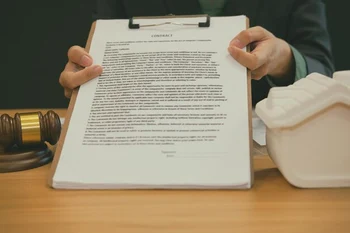
A clear and well-drafted purchase agreement is the cornerstone of any real estate transaction, as it establishes the terms and conditions agreed upon between the buyer and the seller. This document not only details the price and payment method but also includes crucial information about the property, such as its legal status, existing liens, and usage rights. Having a solid contract minimizes the chances of misunderstandings or disputes in the future, contributing to a smoother and safer buying experience.
Additionally, a well-drafted contract protects your rights as a buyer. In the event of a breach by the seller, you will have a solid legal basis to demand repairs or even cancel the transaction without losing your investment. On the other hand, it is also important that this document is reviewed by a lawyer specialized in real estate to ensure that it complies with all local regulations and avoids abusive clauses. In this way, you not only ensure a transparent purchase, but also strengthen your confidence in the process, allowing you to fully enjoy your new home without unnecessary worries.
2. Property verification: how to ensure it is free of liens?
Property verification is a crucial step in the home buying process, as it allows you to ensure that the property is free of liens or legal burdens that could affect your investment. To do this, it is essential to conduct a thorough search in the National Property Registry, where you can check the legal status of the asset. This registry provides information on mortgages, seizures, and other rights that third parties may have over the property. Make sure to request an updated report and verify that there are no outstanding issues or claims that could complicate your acquisition.
It is also advisable to seek the advice of a lawyer specialized in real estate. A professional can help you interpret legal documents and identify any irregularities that may arise during the transaction. They can also conduct a title review to ensure that the seller has the legal authority to sell the property. This way, you not only protect your investment but also ensure a smoother and more transparent process, allowing you to enjoy your new home without worries.
3. Rights and obligations of the buyer in the real estate process
In the process of purchasing a home, the rights and obligations of the buyer are essential to ensure a safe and transparent transaction. Among the most prominent rights is the ability to receive truthful and complete information about the property, as well as the possibility of conducting inspections prior to signing the contract. The buyer has the right to know the legal status of the property, which includes verifying whether there are any encumbrances or liens that may affect their acquisition. Additionally, it is important to mention that the buyer can request legal advice to ensure that all documents are in order and comply with local regulations.
On the other hand, the obligations of the buyer also play a crucial role in this process. One of the main responsibilities is to comply with the deadlines established in the sales contract, as well as to make the agreed payment on time and in the proper form. Additionally, the buyer must ensure to obtain all the necessary documentation to formalize the transaction and register it properly in the corresponding National Registry. Ignoring these obligations could not only lead to legal complications but could also jeopardize the investment made. In summary, being aware of these rights and duties is essential to enjoy a satisfactory experience when acquiring your new home.
4. The role of the notary: legal guarantee for your transaction
The notary plays a crucial role in the home buying process, acting as a legal guarantor that ensures the transaction is carried out in accordance with the law. Their main function is to verify the identity of the parties involved, as well as the legality and validity of the documents presented. As a trained and neutral professional, the notary is responsible for drafting and authenticating the purchase contract, ensuring that all agreed terms are clear and fair for both parties. This not only protects your rights as a buyer but also establishes a solid legal framework for the transaction.
Additionally, the notary has the responsibility of carrying out a series of necessary procedures before formalizing the purchase. This includes investigating the legal status of the property to ensure that there are no liens or outstanding debts that could affect your acquisition. In this way, their involvement minimizes risks and provides you with greater peace of mind knowing that you are investing in a property free of future legal complications. In summary, having a notary in your purchasing process is not only a legal requirement but also a smart strategy to safeguard your investment and fully enjoy the home you have chosen.
5. Taxes and additional costs when buying a property in Costa Rica
When purchasing a property in Costa Rica, it is crucial to consider the taxes and additional costs that may influence the total budget of the purchase. One of the most significant taxes is the Property Transfer Tax, which is calculated on the value of the property and generally amounts to 1.5% of the sale price. Additionally, it is important to consider other expenses such as legal fees for notarial and registration services, as well as the attorney's fees who advises you during the process. These costs can vary depending on the complexity of the transaction and should be taken into account to avoid financial surprises.
Another aspect to consider is the recurring costs associated with property ownership, which include the Property Tax and expenses related to utilities and maintenance. The Property Tax is based on the property's cadastral value and can represent a significant burden over time. When planning your purchase, it is advisable to research and calculate these additional expenses to have a clear understanding of the financial commitment you are undertaking. This way, you will not only ensure a more informed investment but also be able to enjoy your new home without unexpected concerns related to taxes or hidden costs.
6. How to handle potential legal conflicts after the purchase
When purchasing a home, unexpected legal conflicts may arise, whether due to disputes over the property, issues with the seller, or even matters related to mortgages and debts. To handle these potential conflicts, it is crucial to have a lawyer specialized in real estate from the beginning of the purchasing process. This professional can advise you on your rights and obligations, as well as guide you in reviewing documents and contracts to avoid future complications. Being well-informed and legally supported will enable you to act quickly and effectively in the face of any issues that may arise.
It is also advisable to conduct thorough research on the property before finalizing the purchase. This includes verifying the property's background, ensuring that there are no pending liens or encumbrances, and confirming that all permits and licenses are in order. In the event of facing a legal dispute after the acquisition, keeping a detailed record of all documentation related to the transaction can be invaluable. Having clear evidence of your commitment and compliance can facilitate negotiations or even defend your interests in legal instances if necessary. Preparation is key to ensuring your long-term peace of mind in your new home.
7. Tips for hiring specialized legal advice in real estate
Hiring specialized legal advice in real estate is a crucial step to ensure a safe and smooth purchase. When looking for a lawyer or a legal team, it is essential that they have specific experience in the real estate sector. This includes knowledge of local regulations, as well as the ability to conduct thorough reviews of property-related documents. Be sure to request references and examine previous cases they have handled; this will give you a clear idea of their competence and reputation in the field.
It is also advisable to establish open and constant communication with your lawyer from the beginning of the process. Do not hesitate to ask questions about any aspect you do not understand, as transparency in this relationship is key to avoiding future misunderstandings. Finally, make sure to discuss fees and charges in advance to avoid financial surprises. Having a well-informed professional will provide you with the necessary peace of mind to make informed decisions throughout the process of acquiring your new home.
Most viewed articles in the category Legal Aspects

Legal implications of confidentiality clauses in contracts
Discover the legal implications of confidentiality clauses in contracts and how they affect your business. Protect your valuable information today..
Legal consequences of force majeure clauses in contracts
Discover the legal implications of force majeure clauses in contracts and how they can affect your rights and obligations..

Legal consequences of errors in the drafting of deeds
Discover the serious legal consequences that can arise from errors in drafting deeds and how to avoid them to protect your interests..

Consequences of the lack of formality in legal contracts
Discover the serious consequences of not formalizing legal contracts. Protect your interests and avoid conflicts with this essential guide..