Legal aspects in the purchase of your home that ensure safety

Buying a home is one of the most important decisions in anyone's life, and understanding the legal aspects surrounding it can make the difference between a safe investment and a major headache. In this article, we will explore the fundamental elements that ensure your legal security when acquiring a property in Costa Rica. Knowing your legal responsibilities will not only protect you but also your future investment, providing you with peace of mind at every step of the process.
1. The importance of the title of ownership: what to verify?
The importance of the title deed: what to verify? When purchasing a home, the title deed is one of the most crucial documents you should review carefully. This document not only establishes who the legitimate owner of the property is, but it also includes information about the legal history of the property. It is essential to ensure that the title is free of liens, mortgages, or any type of encumbrance that may affect your rights to it. Verifying that the title is correctly registered in the public registry will guarantee that your investment is protected against potential future claims.
Additionally, it is essential to confirm the seller's identity and their legal capacity to sell the property. This involves verifying that there are no legal limitations or pending lawsuits that could complicate the transaction. It is also advisable to check for any type of easement or restriction on the use of the land that could influence your future plans for the home. Conducting these checks will provide you with greater peace of mind and confidence in your decision, thus ensuring a purchase without unpleasant surprises in the long term.
2. Contracts: keys to drafting secure agreements
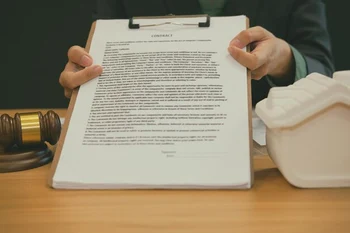
The drafting of contracts is a crucial step in the home buying process, as these documents are the legal foundation that will protect both your rights and those of the seller. A well-crafted contract should include all the terms and conditions agreed upon by both parties, such as the sale price, payment dates, and any special conditions that have been negotiated. It is essential to specify details such as the current state of the property and responsibilities for additional expenses, such as taxes or repairs, to avoid future misunderstandings that could lead to legal conflicts.
Additionally, when drafting a contract it is advisable to seek the advice of a lawyer specialized in real estate. This professional figure will not only ensure compliance with all relevant local laws but will also review each clause to make sure your interests are protected. Including a dispute resolution clause can also be beneficial, as it establishes a mechanism to address any disagreement without the need for costly litigation. Remember that a clear and precise contract not only provides legal security but also contributes to a smoother and more satisfactory experience in purchasing your new home.
3. Taxes and fiscal charges when purchasing a property
The purchase of a property is not limited solely to the price of the property; it also involves a series of taxes and fiscal charges that the buyer must consider. In Costa Rica, one of the main levies is the property tax, known as the Impuesto de Bienes Inmuebles, which is calculated annually based on the cadastral value of the land and the construction. Additionally, when making the transaction, it is important to consider the transfer tax that is paid at the time of purchase, as well as notary and registration fees. These costs can add up to a significant amount to the total initial investment, so it is essential to be well-informed to avoid unpleasant surprises.
Another aspect to consider is the possible tax burdens associated with the acquired property. This includes any existing debts or liens that may affect your future use of the property. Conducting due diligence will allow you to identify if there are any recorded mortgages or liens that could complicate your legal situation after the purchase. It is also advisable to consult with a real estate attorney to ensure that all tax obligations are properly fulfilled before formalizing the acquisition. Having clarity on these aspects not only guarantees your legal security but also protects your long-term investment and contributes to a more satisfactory experience in purchasing your home.
4. The role of the notary: their role in the purchase of your house
The figure of the notary is essential in the process of purchasing a home, acting as a guarantor of legality and transparency in each transaction. This legal professional is responsible for verifying that all necessary documents are in order, ensuring that there are no encumbrances or liens on the property that could affect your investment. Additionally, the notary is in charge of drafting and formalizing the public deed of sale, which gives an official character to the agreement between the parties and ensures its validity before the law. In this way, having a reliable notary provides you with an additional layer of legal security.
Likewise, the notary plays a fundamental role in regulating the financial process related to the purchase. They are responsible for ensuring that the funds are deposited correctly and that all tax obligations are met before finalizing the transaction. This includes verifying that the taxes corresponding to the property transfer and other associated costs have been paid, avoiding unpleasant surprises in the future. In summary, involving a qualified notary not only facilitates the legal procedure but also provides you with peace of mind by ensuring that your new home is truly yours from the moment you sign the papers.
5. Due Diligence: investigating the legal background of the property
The legal background check of a property, known as due diligence, is a crucial step that should not be overlooked when acquiring a home. This process involves verifying the legal status of the property, ensuring that there are no liens, mortgages, or pending litigation that could affect your purchase. Conducting a thorough review will allow you to discover if the seller has the right to sell the property and if it complies with local zoning and construction regulations. Ignoring this aspect can lead to unpleasant surprises that compromise not only your investment but also your peace of mind. Additionally, it is advisable to consult with real estate legal professionals who can help you analyze all relevant documents and ensure everything is in order. This includes reviewing the property title, obtaining reports on encumbrances or registration limitations, and confirming that tax payments are up to date. By conducting a complete due diligence, you will be making informed decisions and minimizing potential risks in the future. Remember that knowing all the legal background will allow you to fully enjoy your new home without worries or uncertainties.
6. Responsibilities of the seller and the buyer
When it comes to purchasing a property, it is essential for both the seller and the buyer to clearly understand their legal responsibilities. For the seller, this involves providing truthful information about the property, ensuring that there are no liens or debts that could affect the transaction. Additionally, the seller must comply with all legal requirements to correctly transfer the property, which includes having all necessary documentation in order and being up to date with the corresponding taxes. By doing this, the seller not only protects their buyer but also their own reputation and avoids potential future litigation. On the other hand, the buyer also has a set of responsibilities that they must take on to ensure a secure transaction. It is crucial to conduct thorough research on the property and verify its legal status before formalizing any agreement. This may involve requesting property reports or reviewing legal backgrounds through a real estate lawyer. Likewise, the buyer should pay attention to the terms of the contract and ensure they understand each clause before signing. In this way, both parties in this transaction collaborate to create a safe and transparent environment that fosters a satisfactory experience in acquiring the ideal home.
7. Property Owners' Rights: What You Need to Know
When acquiring a property, it is crucial for owners to understand their fundamental rights. These rights not only encompass the enjoyment and use of the property but also protection against any type of undue claim by third parties. Among these rights is the right to make modifications to the home, as long as local regulations are respected and the necessary permits are obtained. Furthermore, it is essential that owners are aware of their right to receive clear and transparent information about any encumbrance or lien affecting the property, which will enable them to make informed decisions during the purchasing process.
Another important aspect to consider is the legal mechanisms available to assert these rights in case of conflict. Owners have the right to resort to legal instances to defend their position in situations such as unjust eviction or violations of privacy in their home. Additionally, it is advisable to have a legal advisor who can guide you in the interpretation of contracts and documents related to the purchase, thus ensuring that all your rights are respected from the beginning to the end of the process. Knowing and exercising these rights not only provides you with legal security but also contributes to maintaining the value of your investment in the long term.
8. What to do in case of legal disputes after purchase
When a legal dispute arises after the purchase of your home, it is crucial to approach the situation calmly and clearly. The first thing you should do is review all documents related to the transaction, including the purchase agreement, payment receipts, and any other signed agreements. Having all this information at hand will allow you to better understand your rights and obligations, as well as identify whether there are indeed grounds for your claim or defense. In many cases, disputes can be resolved through direct dialogue with the other party, which can save time and resources.
If informal conversations do not lead to a satisfactory solution, consider seeking specialized legal advice in real estate. A lawyer experienced in this field can guide you on the best strategies to follow and represent you if it becomes necessary to take the matter to court. Remember that each country has its own laws and legal procedures related to properties; therefore, having a professional who is well-versed in these regulations is essential to ensure that your interests are protected throughout the process. Maintaining a proactive attitude and being well-informed will help you face any eventuality with greater confidence.
9. Tips for seeking legal advice before purchasing
Before making the purchase of your home, it is essential to seek legal advice to avoid unpleasant surprises. A lawyer specialized in real estate can provide you with a clear understanding of the rights and obligations you acquire when signing a purchase agreement. This professional will not only review the necessary documents but will also help you understand the clauses of the agreement, ensuring that all conditions are fair and in line with your expectations. Additionally, their experience will allow you to identify any encumbrances or liens on the property, thus avoiding future problems that could compromise your investment.
Another crucial aspect is to verify the property’s registration status. Ensure that the title is free of mortgages or pending litigation. Your lawyer can perform this verification through the National Registry, ensuring that there are no hidden surprises along the way. It is also important to inform yourself about the taxes and contributions related to the property; being aware of these obligations will allow you to better plan your long-term finances. By having proper legal advice from the beginning, you will be able to approach each stage of the purchasing process with confidence and security, thereby ensuring a successful transaction without future complications.
Most viewed articles in the category Legal Aspects

Legal implications of confidentiality clauses in contracts
Discover the legal implications of confidentiality clauses in contracts and how they affect your business. Protect your valuable information today..
Legal consequences of force majeure clauses in contracts
Discover the legal implications of force majeure clauses in contracts and how they can affect your rights and obligations..

Legal consequences of errors in the drafting of deeds
Discover the serious legal consequences that can arise from errors in drafting deeds and how to avoid them to protect your interests..

Consequences of the lack of formality in legal contracts
Discover the serious consequences of not formalizing legal contracts. Protect your interests and avoid conflicts with this essential guide..