Legal aspects that guarantee your safe home purchase

Buying a home is one of the most important decisions in anyone's life, and ensuring that this transaction is secure is essential. In Costa Rica, understanding the legal aspects that support your investment can be the difference between a dream fulfilled and an endless headache. This article will guide you through the key elements you should consider to ensure that your purchase is legitimate and protected, allowing you to enjoy your new home with peace of mind.
1. Importance of the sales contract
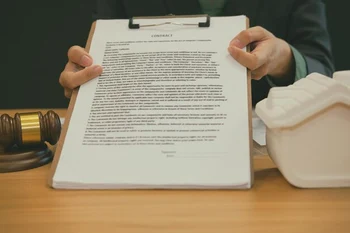
The importance of the sales contract lies in its function as a legal document that formalizes the transaction between the buyer and the seller. This contract establishes the conditions under which the sale takes place, including essential details such as the agreed price, the description of the property, and any specific conditions that both parties have agreed upon. Having a well-drafted contract minimizes the risks associated with misunderstandings or future disputes, which is crucial for maintaining a harmonious and transparent relationship between both parties involved in the purchase.
In addition, the purchase agreement serves as a legal protection tool. In the event of disagreements or breaches by either party, this document can be used in legal instances to assert the rights of the buyer or seller. Without a formal contract, the claims process can become complicated and costly, leaving the buyer vulnerable to potential fraud or deceit. Therefore, understanding and giving due importance to the purchase agreement is essential to ensure not only a safe transaction but also to ensure that your investment is protected in the long term.
2. Property verification: background and liens
Property verification is a crucial step in the home buying process, as it ensures that the property you wish to acquire has no legal issues that could compromise your investment. Before formalizing any agreement, it is essential to review public records to identify if the property has any encumbrances or liens associated with it. This includes mortgages, foreclosures, or pending litigation that could affect your rights to the home in the future. Additionally, it is advisable to consult with a real estate attorney who can help you interpret this information and ensure that everything is in order.
Likewise, reviewing the seller's background is essential to avoid unpleasant surprises. Make sure to investigate whether the current owner has full rights to the property and if they have fulfilled all their tax and legal obligations related to it. This involves checking certificates of freedom and tradition, as well as verifying if there are any complaints or legal issues associated with the property. Conducting these due diligence steps will provide you with greater security in your purchase and allow you to fully enjoy your new home without future worries.
3. Role of the public notary in home buying
The public notary plays a fundamental role in the home buying process, acting as a guarantor of legality and the proper formalization of the purchase contract. Their main function is to ensure that all documents involved in the transaction comply with current legal regulations, which includes a thorough review of the property title to verify its validity and the absence of liens or encumbrances that may affect the new owner. Additionally, the notary is responsible for authenticating the signatures on the contract, which attests to the agreement between the parties and provides legal security to the transaction.
Another key aspect of the role of the notary public is their ability to advise buyers on the legal aspects related to the acquisition of a property. This includes informing them about rights and obligations, as well as potential risks that may arise during the process. The notary's involvement not only provides peace of mind to the buyer but also protects their interests against any future eventualities. By having a qualified professional in this field, the risks associated with fraud or legal issues are minimized, making notaries an indispensable ally for those looking to make a safe and smooth purchase.
4. Taxes associated with the purchase: what you need to know
When purchasing a home, it is essential for buyers to consider the taxes associated with the transaction. In Costa Rica, these may include the Property Transfer Tax (ITBI), which is calculated based on the value of the property and is usually a percentage set by local laws. Additionally, it is important to consider that some municipalities may have additional rates or specific charges related to the property. Being aware of these tax obligations will not only help you better plan your budget but will also avoid unpleasant surprises at the time of closing the deal.
Another relevant issue is the seller's obligation to provide a receipt of the tax paid as part of the purchase process. This document is essential to ensure that there are no outstanding tax liabilities on the property, thus ensuring a clean purchase without future problems. Therefore, it is advisable to seek the advice of a lawyer specialized in real estate who can guide you through the process and verify that all taxes have been duly settled before finalizing the purchase. This way, you can fully enjoy your new home without concerns related to unpaid tax obligations.
5. Buyer rights in the real estate process
The buyer's rights in the real estate process are essential to ensure a fair and transparent transaction. In Costa Rica, buyers have the right to receive clear and complete information about the property they are acquiring, which includes details about its legal status, possible liens or associated debts, and any other conditions that may affect the purchase. Furthermore, it is essential for the seller to provide the necessary documentation that supports their property and confirms their ability to sell it. Knowing these rights allows the buyer to make informed decisions and avoid unpleasant surprises in the future.
Buyers also have the right to conduct due diligence before finalizing the purchase. This involves carrying out technical inspections of the property, verifying the cadastral situation, and making inquiries to the National Registry to ensure that there are no pending legal issues. It is also important to highlight the right to have legal advice throughout the process; a specialized lawyer can help interpret contracts and ensure that all relevant regulations are met. By exercising these rights, buyers can protect their investment and ensure that their experience in acquiring a home is positive and secure.
6. Seller responsibilities: legal compliance
The seller's responsibilities in the home buying process are crucial to ensure a legal and transparent transaction. First, the seller must provide the relevant documentation that verifies their ownership of the property, such as the updated deed and the corresponding cadastral plans. Additionally, it is essential to inform the buyer about any encumbrances or liens that may exist on the property, such as mortgages, easements, or legal restrictions. The omission of this information can lead to future legal complications and affect the legitimate possession of the new owner.
The seller also has the obligation to comply with local and national regulations related to the sale of real estate. This includes ensuring that the property meets the habitability and safety requirements established by the competent authorities. Likewise, it is essential to carry out the necessary procedures with government entities to formalize the transfer of rights, thereby avoiding issues in the public registry that could jeopardize the buyer's investment. Fulfilling these responsibilities not only protects the buyer but also ensures a fair and ethical transaction for both parties involved.
7. Legal consequences for breach of contract in the sale and purchase
A real estate transaction not only involves the transfer of a property but also entails a set of legal obligations that both parties must fulfill. Breach of these agreements can lead to serious legal consequences. For example, if the seller fails to deliver the property in the agreed conditions or if there are debts associated with the property that were not disclosed, the buyer has the right to seek damages or even cancel the transaction. This translates into a legal process that can be both costly and lengthy, affecting the financial and emotional stability of the buyer.
Additionally, the legal consequences for breach may include financial penalties and compensatory damages. In some cases, the aggrieved party may file a lawsuit for breach of contract, which could result in significant losses for the infringer. It is crucial to have a well-drafted contract and to seek legal advice to minimize risks before finalizing any deal. This way, it ensures not only a secure purchase but also a clearer path in the event of potential future disputes, thereby protecting your investment and personal well-being.
8. Legal resources available for resolving real estate disputes
When facing real estate disputes, it is essential to know the legal resources available that can help resolve conflicts effectively. In Costa Rica, there are various instances where buyers and sellers can present their differences, such as the Consumer Office and the Environmental Administrative Tribunal. These entities not only provide legal advice but also offer mediation to reach amicable agreements without the need for a long and costly judicial process. Additionally, having a lawyer specialized in real estate law can be invaluable for interpreting current legislation and ensuring that your rights are protected throughout the process.
If disputes cannot be resolved through mediation, the judicial system offers additional avenues to settle property-related conflicts. Civil courts are competent to hear matters of property and real estate contracts, allowing the involved parties to present their case before a judge. It is important to note that this option may require significant time and resources; therefore, it is always advisable to explore alternative dispute resolution methods first before resorting to litigation. Knowing these legal tools will enable you to handle any eventuality with confidence and security in your real estate investment.
Most viewed articles in the category Legal Aspects

Legal implications of confidentiality clauses in contracts
Discover the legal implications of confidentiality clauses in contracts and how they affect your business. Protect your valuable information today..
Legal consequences of force majeure clauses in contracts
Discover the legal implications of force majeure clauses in contracts and how they can affect your rights and obligations..

Legal consequences of errors in the drafting of deeds
Discover the serious legal consequences that can arise from errors in drafting deeds and how to avoid them to protect your interests..

Consequences of the lack of formality in legal contracts
Discover the serious consequences of not formalizing legal contracts. Protect your interests and avoid conflicts with this essential guide..