Essential Guide to Securing Your Housing Investment

Are you ready to take the step towards buying your dream home? Before signing any contract, it's crucial to ensure that your investment is protected. In this 'Essential Guide to Protecting Your Home Investment', we will take you through the legal verification process, a fundamental stage that you cannot overlook. Discover how to avoid unpleasant surprises and ensure that your new home is a safe and legally sound refuge. Your future deserves to be protected; let’s get started!
1. Importance of Legal Verification in Home Purchase
Legal verification in the purchase of a home is an essential step that not only protects your investment but also provides you with peace of mind. By reviewing the legal documents associated with a property, you can ensure that the home is free from hidden burdens or liens and that all relevant legal requirements are met. This includes verifying the property title, building permits, and any restrictions that may affect the use of the property. Ignoring this stage can lead to significant legal issues in the future, as well as unexpected expenses that could have been avoided with proper due diligence.
Additionally, conducting a thorough legal check allows you to better understand the neighborhood's situation and the seller's reputation. It is essential to investigate if there are any pending litigations related to the property or if there are environmental issues in the area. These factors can directly influence the value of your investment and your future quality of life. In summary, investing time and resources in the legal verification not only ensures that you are buying a legitimate and safe home, but also positions you to make informed and strategic decisions about your new residence.
2. Required Documentation: What Should You Review?
As you embark on the exciting adventure of acquiring a home, it is essential to have the proper documentation to avoid future complications. First, make sure to review the property title; this document is key to confirming that the seller has legitimate rights to the property and that there are no hidden liens or encumbrances. It is also vital to request a certificate of registration records, which will inform you of any pending litigation or legal issues associated with the property. Do not underestimate the importance of these documents: they are your first line of defense against potential fraud.
In addition to the title and the registration background, do not forget to verify the tax situation of the property. Make sure that all taxes, such as property tax and other related charges, are up to date and that there are no outstanding debts. This will not only save you from unpleasant surprises in the future but will also ensure a clean and hassle-free transfer. Finally, request to see the plans and construction permits approved by local authorities; this will help you confirm that everything built complies with current regulations and will avoid future conflicts with neighbors or authorities. Remember, having all this documentation is essential to secure your investment and fully enjoy your new home.
3. How to Identify Properties with Legal Issues
When considering the purchase of a property, it is vital to conduct thorough research to identify potential legal issues that may affect your investment. Start by reviewing the property title, which should be free of liens, unpaid mortgages, or pending lawsuits. You can request a title report from a specialized company that provides a clear overview of any existing encumbrances that could complicate your acquisition. Additionally, ensure that the seller has the legal authority to sell the property and that all related documents are in order.
Another important aspect is to verify if the property complies with local regulations and zoning. Sometimes, properties may have been built without the appropriate permits or may not meet current regulations. This can lead to costly fines or even the demolition of unauthorized structures in the future. Consult with the local urban planning office to ensure everything is in order and to avoid unpleasant surprises after closing the sale. Due diligence at this stage can save you time, money, and long-term frustrations.
4. The Relevance of the National Registry in Costa Rica
The National Registry in Costa Rica plays a fundamental role in protecting your real estate investment. This agency is responsible for maintaining a public registry of real estate, allowing you to verify the ownership and legal status of the property you wish to acquire. By consulting this registry, you can ensure that there are no liens, mortgages, or rights that could affect your purchase. The transparency offered by the National Registry is key to avoiding future legal conflicts and ensuring that you are investing in a property free of issues.
Additionally, the Registro Nacional is an essential tool for protecting your rights as a buyer. In case of disputes over property, having clear and accessible evidence of its legal status can be decisive. This not only gives you peace of mind when making your investment but also reinforces the legal security of the real estate market in Costa Rica. Therefore, before signing any contract, make sure to conduct the necessary checks in the Registro Nacional; this way, you can enjoy your new home knowing that you have made informed and responsible decisions.
5. Promise Contracts: Keys for Their Correct Preparation
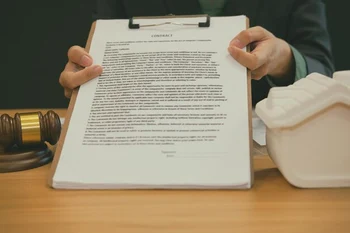
Promise contracts are fundamental documents in the home buying process, as they establish the conditions and obligations that the parties must fulfill before formalizing the final deed. For proper preparation, it is essential that the contract includes clear details about the price, payment terms, delivery conditions, and any clauses related to cancellation or breach. Additionally, it is advisable that both parties sign this document in the presence of a notary or specialized lawyer, thereby ensuring its legal validity and avoiding potential future conflicts. Do not underestimate the importance of this step; a well-drafted contract can be your best ally.
Another key aspect to consider is the inclusion of specific clauses that protect your interests as a buyer. For example, make sure to include provisions regarding the consequences of any party's breach and establish warranties about the legal status of the property. It is also advisable to check for any liens or encumbrances on the property, which may affect your investment. By taking the necessary time to craft a solid and detailed promise contract, you will be preparing yourself to avoid unpleasant surprises in the future and ensuring that your new home is truly your safe haven.
6. Legal Advice: Why You Shouldn't Omit It?
Legal advice is an essential component in the home buying process. Many buyers may feel tempted to skip this step, either by considering it unnecessary or by trying to save costs, but this decision can be costly in the long run. A lawyer specialized in real estate will not only review contracts and legal documents but will also ensure that the property is free of hidden liens or encumbrances. With their help, you can avoid issues such as title disputes or construction irregularities that could affect your investment and quality of life.
Additionally, having legal advice provides you with peace of mind at every stage of the process. From negotiating the price to the final signing of the contract, an experienced professional will guide you to understand all the terms and conditions involved. This is crucial, as some agreements may include clauses that limit your rights or impose unexpected obligations. Essentially, investing in legal advice is an effective way to protect your interests and ensure that your new home is not only a dream come true but also a safe investment backed by the law.
7. Tax Implications in Property Acquisition
When acquiring a property, it is essential to consider the tax implications that may arise throughout the process. Purchasing a home not only represents a significant financial commitment but also triggers a series of tax responsibilities that can impact your long-term profitability. From property taxes to the tax deductions available for homeowners, each aspect must be carefully evaluated. It is advisable to consult with a specialized tax advisor to understand how these factors apply to your particular situation and to avoid surprises that could affect your investment.
It is also important to consider the possible variations in tax legislation depending on the location of the property. Each state or region may offer different tax incentives for new homeowners or first-time buyers. These benefits can include tax credits or temporary reductions in property tax, which can represent significant savings over time. Staying informed about these opportunities will not only allow you to optimize your financial resources but also make more informed decisions when making your purchase. Ultimately, understanding the tax implications is essential to protect your investment and maximize its value in the future.
8. Due Diligence: How to Conduct It Effectively?
Conducting effective due diligence is a crucial stage in the process of purchasing a home. This term, which translates to "due diligence," involves carrying out thorough research to ensure that the property complies with all legal regulations and does not have hidden issues. Start by verifying the documentation of the property: make sure that the title is free of liens or legal disputes. It is also advisable to investigate the tax status of the property and confirm that the taxes are up to date. Do not underestimate the importance of reviewing development plans in the area, as future changes can affect both your quality of life and the value of your investment.
Additionally, conducting detailed physical inspections will help you identify potential structural issues or repair needs that could incur additional expenses after the purchase. Consider hiring a professional to carry out these evaluations; their expertise can be invaluable in detecting aspects that might be overlooked. Also, do not hesitate to consult with a real estate attorney who can guide you through this process and help you interpret any complex legal documents. By performing thorough due diligence, you not only protect your investment but also ensure that you make informed and sound decisions regarding your future home.
9. Conflict Resolution: Steps to Take in Legal Disputes
When approaching the purchase of a home, it is essential to be prepared for any eventuality, including legal disputes that may arise. Conflict resolution is a crucial aspect of the acquisition process, as it can make the difference between enjoying your new home and facing unexpected complications. In the event of a dispute, the first thing you should do is review the relevant documents: purchase agreements, prior agreements, and communications. Understanding the terms and conditions you signed will provide you with a solid foundation to argue your position and seek solutions.
Once you have analyzed the necessary documentation, the next step is to try to resolve the conflict amicably. Open communication with the other party can be key to finding an agreement without resorting to legal instances. If this is not effective, consider mediation as a viable option before escalating to more formal processes. In case negotiations fail and the conflict persists, consulting with a lawyer specialized in real estate law will be vital to guide you through the appropriate judicial process and protect your rights as a homeowner. Having a clear plan on how to handle these situations will help you secure your investment and keep intact the dream of having your own home.
10. Practical Tips to Avoid Common Mistakes in the Legal Process
When starting the process of purchasing a home, it is common to make mistakes that can be costly and complicate your investment. One of the most important pieces of advice is to always conduct a thorough review of the documentation related to the property, such as titles and legal backgrounds. Ensure that there are no liens or encumbrances that could affect your acquisition. Consulting a lawyer specialized in real estate can be a key decision to avoid future problems and ensure that all the clauses of the contract are clear and fair. Do not underestimate the importance of understanding every detail of the agreement, as this will allow you to make informed decisions.
Another essential tip is not to rush the process. Taking the necessary time to analyze different options and negotiate properly can make the difference between a successful purchase and a source of unnecessary stress. Additionally, make sure to conduct detailed inspections before closing any deal; the physical condition of the property is as important as its legal status. Finally, remember to keep all communication in writing and document every step of the process; this will not only protect your rights as a buyer but also facilitate any future claims if issues arise. With these practical tips, you will be better prepared to secure your housing investment without setbacks.
Most viewed articles in the category Legal Aspects

Legal implications of confidentiality clauses in contracts
Discover the legal implications of confidentiality clauses in contracts and how they affect your business. Protect your valuable information today..
Legal consequences of force majeure clauses in contracts
Discover the legal implications of force majeure clauses in contracts and how they can affect your rights and obligations..

Legal consequences of errors in the drafting of deeds
Discover the serious legal consequences that can arise from errors in drafting deeds and how to avoid them to protect your interests..

Consequences of the lack of formality in legal contracts
Discover the serious consequences of not formalizing legal contracts. Protect your interests and avoid conflicts with this essential guide..