Legal Aspects that Boost Your Confidence When Buying a Home

Buying a home is one of the most important decisions in anyone's life, and having legal security is essential for this process to be successful. In this article, we will explore the legal aspects that not only protect your investment but also provide you with the confidence needed to take the big step. Knowing the details about legal verification will allow you to make informed decisions and avoid unpleasant surprises. Get ready to become an informed and confident buyer!
1. Importance of Legal Verification in Home Purchase
Legal verification in the purchase of a home is a crucial step that ensures the property is free of encumbrances, liens, or legal issues that may affect your investment. Before signing any contract or making a payment, it is essential to investigate the status of the title and confirm that the seller has the authority to transfer the rights to the property. This not only protects you from potential fraud but also ensures that you do not encounter unpleasant surprises in the future, such as disputes over the property or claims from third parties. The peace of mind of knowing that everything is in order will allow you to fully enjoy your new home.
Additionally, legal verification helps to establish a transparent relationship between buyer and seller. Having all the necessary documentation in order fosters a trusting environment where both parties feel secure during the process. A legal advisor can assist you in reviewing key documents such as deeds, certificates of free title, and property plans, thus ensuring that everything complies with local regulations. This diligence not only prevents future conflicts but can also increase the perceived value of your investment by demonstrating its legitimacy and legal compliance to potential buyers if you decide to sell later.
2. Required Documentation: What Should You Review?
To ensure a secure home purchase, it is crucial to have the appropriate documentation that supports the legality of the property. First, you should review the title deed, which is the document that certifies who the legitimate owner of the asset is. Make sure this title is free of liens or mortgages that could compromise your future investment. Also, check if there are any pending lawsuits regarding the property, which could affect your right to enjoy it without issues. A thorough analysis of these documents will provide you with clarity about the legal situation of the property and protect you against possible disputes.
Another essential aspect is to check the certificate of freedom from encumbrances, which proves that there are no financial burdens on the property. This certificate is obtained from the public records and must be updated to avoid unpleasant surprises in the future. Additionally, review the building permits and corresponding licenses, especially if you plan to make modifications or expansions to the home. Knowing these elements not only provides you with peace of mind but also ensures that you are investing in a solid asset and complying with current local regulations. Being well-informed about this documentation will empower you as a buyer and help you make more secure decisions when acquiring your new home.
3. Free of Liens Property: How to Confirm It
To confirm that a property is free of encumbrances, it is essential to conduct thorough research on its legal status. Start by requesting a certificate of encumbrances from the Property Registry, where you can verify if there are any mortgages, liens, or any type of burden affecting the property. This certificate is an official document that will provide you with precise and updated information about the legal situation of the property, allowing you to make informed decisions before finalizing the purchase. Additionally, do not hesitate to consult with a lawyer specialized in real estate to assist you in this process and offer clarity on any aspect that may be confusing. Another crucial step is to investigate the seller's background. Ensure that they have the legal capacity to sell the property and verify their identity through official documents. It is also advisable to review the property's history: check if it has had any previous legal issues or if it has been subject to disputes between owners. This due diligence will not only help you ensure that you are acquiring a property without legal ties but will also provide you with greater peace of mind knowing that your investment is protected against potential future claims. Stay informed and proactive in these aspects to avoid unpleasant surprises later on.
4. Public Registry: Your Best Ally When Buying
The Public Property Registry is an essential tool that guarantees legal security in the purchase of a property. By accessing this database, buyers can verify the legal status of the property they wish to acquire, ensuring that there are no liens, mortgages, or prior legal disputes. This step is crucial to avoid unpleasant surprises and ensure that the seller has full rights to the property. Furthermore, the registry provides legal backing in case of future conflicts, offering an additional layer of protection for your investment.
An important aspect to consider when consulting the Public Registry is that this process not only benefits the buyer by providing clear and transparent information about the status of the property, but it also helps to promote a safer and more reliable real estate market. Transparency in real estate transactions builds trust between buyers and sellers, which is essential for developing strong business relationships. Therefore, having the support of the Public Registry not only helps you make informed decisions, but it also becomes your best ally on the path to acquiring your new home.
5. Contracts: Keys to Avoid Future Problems
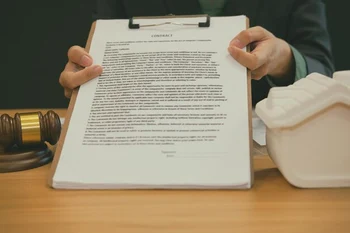
Contracts are the cornerstone of any real estate transaction, and understanding their importance can be the deciding factor in avoiding future problems. When purchasing a home, it is essential that all agreements are documented in a clear and detailed contract. This document should specify not only the price of the property but also the payment terms, delivery timelines, and the responsibilities of both the buyer and the seller. A well-drafted contract acts as a legal shield that protects your rights and establishes the obligations of each party, providing you with greater peace of mind throughout the process.
Additionally, it is crucial to thoroughly review any clause that may seem confusing or ambiguous. Having the advice of a real estate attorney can be invaluable in identifying potential hidden risks and ensuring that all terms are fair and equitable. Do not forget to include important aspects such as penalties for breach or specific conditions regarding the delivery of necessary documents. By focusing on these contractual details from the outset, you can significantly reduce the risk of future disputes and ensure a successful and smooth purchase.
6. Legal Advice: Is It Really Necessary?
Legal advice is a crucial component in the process of purchasing a home, and many buyers wonder if they really need it. The answer is a resounding yes. A lawyer specialized in real estate can help you navigate the complex legal terms surrounding real estate transactions. From reviewing the purchase agreement to validating property titles, having an expert by your side can prevent future problems that may arise if you decide to act without professional guidance. Furthermore, good legal advice not only protects you against potential fraud or irregularities but also provides you with peace of mind throughout the process. A lawyer can identify unfavorable clauses in the contract and negotiate on your behalf to secure more favorable conditions. At the end of the day, investing in legal advice is a smart decision that not only safeguards your financial investment but also reinforces your confidence in taking this important step towards acquiring a home.
The absence of this backup could lead you to face unexpected legal complications, which could jeopardize both your investment and your peace of mind. Therefore, before signing any document, make sure to have a legal professional validate every aspect of the deal.
7. Common Legal Risks When Buying Real Estate
When purchasing a property, it is crucial to be aware of the legal risks that may arise and could affect your investment. One of the most common risks is the lack of clarity in the ownership of the asset. It is essential to ensure that the seller is the true owner and that there are no liens or debts associated with the property that could be transferred to the new buyer. A thorough investigation of public records and obtaining a certificate of freedom from liens are fundamental steps to avoid unpleasant surprises in the future. Another significant risk is related to unclear or misleading contractual clauses. When signing a purchase agreement, it is vital to read every detail and understand all the conditions, as a misinterpretation could lead to unexpected obligations or even litigation. Additionally, having legal advice during this process can be crucial in identifying abusive or potentially harmful terms. Thus, preventing these issues will not only protect your investment but also allow you to enjoy the process with greater peace of mind and confidence.
Prevention is key; educating yourself about the common legal risks when making a real estate purchase not only empowers you as a buyer, but also helps create a safer environment in the housing market.
8. Steps to Follow if You Find Irregularities in the Property
When purchasing a property, it is crucial to conduct a thorough inspection to identify any irregularities that may affect both your investment and your quality of life. If, upon reviewing the property, you discover issues such as structural deficiencies, legal problems with property titles, or non-compliance with local regulations, it is essential to act swiftly and decisively. The first step is to document all these irregularities through photographs and a detailed report that helps support your findings. This will not only be useful for clarifying the current situation of the property but will also serve as evidence in case you need to file claims or negotiate repairs with the seller. Once you have gathered the necessary information, the next step is to consult with a real estate attorney or an experienced real estate agent. They can provide you with legal advice on how to proceed regarding these irregularities and what actions you can take to protect your rights as a buyer. Depending on the severity of the issue, you might consider requesting repairs before closing the sale, renegotiating the price, or even deciding to cancel the purchase if circumstances require it. Having a professional to guide you through the process is essential to ensure you make informed decisions and avoid negative surprises in the future.
In summary, finding irregularities in a property should not be a cause for panic; rather, it can be an opportunity to ensure that your investment is secure and meets your expectations. With the proper preparation and necessary legal support, you will be able to address any issues with confidence and ensure that your purchase is both satisfactory and legally protected.
Most viewed articles in the category Legal Aspects

Legal implications of confidentiality clauses in contracts
Discover the legal implications of confidentiality clauses in contracts and how they affect your business. Protect your valuable information today..
Legal consequences of force majeure clauses in contracts
Discover the legal implications of force majeure clauses in contracts and how they can affect your rights and obligations..

Legal consequences of errors in the drafting of deeds
Discover the serious legal consequences that can arise from errors in drafting deeds and how to avoid them to protect your interests..

Consequences of the lack of formality in legal contracts
Discover the serious consequences of not formalizing legal contracts. Protect your interests and avoid conflicts with this essential guide..