Legal Aspects That Ensure a Safe Real Estate Purchase

Are you ready to take the step toward buying your new home? Before signing any contract, it is crucial to understand the legal aspects that ensure a safe transaction. In this article, we will explore the importance of legal verification in the real estate process in Costa Rica. Make sure to protect your investment and avoid unpleasant surprises with our practical and clear advice.
1. The Importance of a Clean Title
The purchase of a property is undoubtedly one of the most important decisions a person can make in their life. Therefore, having a clear title is essential to ensure that the transaction is safe and free from future complications. A clear title means that there are no liens, mortgages, or legal disputes regarding the property, which provides peace of mind to the buyer. Verifying the status of the title also ensures that the seller has the legitimate right to sell the property and that there are no unpleasant surprises after the purchase.
Additionally, a clean title not only protects your immediate investment but also facilitates future legal and administrative processes related to the property. In case you want to make improvements or even sell it in the future, a clear title will avoid obstacles and expedite the necessary processes. Therefore, before proceeding with any real estate purchase, it is essential to conduct a thorough title review and consider consulting with a real estate attorney to ensure everything is in order. This due diligence can save you time, money, and long-term worries.
2. National Registry Verification: What You Should Know?
The verification of the National Register is a fundamental step in the process of purchasing a property. This register provides key information about the legal status of the property, including ownership, liens, and any encumbrances that may affect the property. Before proceeding with any transaction, it is essential to ensure that the seller has the legitimate right to sell the asset and that there are no legal claims that could compromise your investment. Consulting this register will give you a clear and accurate view of the legal status of the property, which is crucial to avoid future conflicts.
It is also advisable to carry out this verification through a lawyer specialized in real estate, who can correctly interpret the information and provide you with appropriate advice. A professional will help you identify potential risks and understand the legal implications related to the property. Remember that acquiring a property is a significant investment; therefore, taking the time to review the National Registry can save you future problems and ensure that your purchase is safe and transparent. Do not underestimate the importance of this step in your real estate acquisition process.
3. Real Estate Contracts: Keys to Avoid Legal Issues
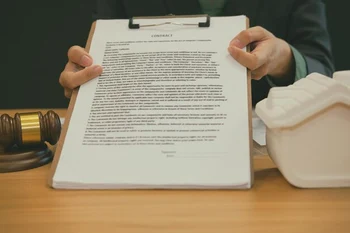
Real estate contracts are fundamental legal documents that establish the terms and conditions of purchasing a property. It is essential to read each clause carefully, as a poorly drafted or ambiguous contract can lead to misunderstandings or future conflicts. Ensure that the contract includes all necessary details, such as a precise description of the property, the agreed price, important dates, and any particular conditions that both parties have negotiated. Do not underestimate the importance of consulting with a lawyer specialized in real estate; their expertise can help you identify problematic clauses and ensure that your rights are protected.
Another key aspect of real estate contracts is the inclusion of clear warranties and responsibilities for both parties. This not only protects your investment but also establishes a legal framework in case of non-compliance by the seller or the buyer. For example, it is advisable to include clauses about the physical condition of the property and any necessary repairs before closing. Additionally, make sure to check for any encumbrances or liens on the property, as this could affect your right to dispose of the property in the future. By addressing these points in detail in the contract, you can significantly reduce the risk of future legal issues and enjoy your new home without worries.
4. Rights and Obligations of the Buyer and Seller
In the context of a real estate transaction, both the buyer and the seller have rights and obligations that must be respected to ensure a safe and transparent operation. The seller is responsible for delivering the property in suitable conditions and in accordance with what was agreed upon in the contract. This includes ensuring that all documents are in order, as well as providing truthful information about the legal status of the property. For its part, the buyer is obligated to make a timely payment according to the established conditions and to carry out due diligence to verify that there are no liens or legal issues associated with the property.
In addition to these basic responsibilities, it is essential for both parties to remain in communication throughout the process. A good understanding can prevent misunderstandings and later conflicts. For example, if issues arise with legal documents or if the buyer detects any defects in the property after the purchase, it is crucial to have a well-structured contract that addresses these scenarios. This ensures that the rights of both parties are protected and fosters a relationship based on mutual trust. By being aware of their rights and duties, both buyers and sellers can carry out a more satisfactory transaction without unnecessary legal complications.
5. Taxes Associated with Real Estate Purchase: What They Don't Tell You
The taxes associated with real estate purchase are an essential aspect that many buyers tend to overlook. When acquiring a property, you must not only consider the sale price but also a series of taxes that can significantly impact your investment. Among these are the Real Estate Transfer Tax, which is paid at the time of formalizing the deed, as well as the property tax, which is calculated annually and can vary depending on the location and value of the property. Not being aware of these costs from the beginning can lead to unpleasant surprises in your budget.
In addition to direct taxes, it is essential to consider other expenses related to the acquisition, such as notary fees and registration costs. These additional expenses can add a considerable amount to the total purchase if not planned properly. Therefore, it is advisable to consult with a lawyer specialized in real estate to gain a clear understanding of all the taxes and fees involved in the process. This way, you can make informed decisions and ensure that your purchase is truly safe and sustainable in the long term.
6. The Relevance of Municipal Certifications
Municipal certifications are essential documents in the process of purchasing a property, as they provide valuable information about the legality and condition of the property. These certifications guarantee that the construction complies with current urban regulations, including zoning, land use, and building permits. With these validations, buyers can ensure that the property is not only legally habitable but also does not have legal issues that could affect their investment in the future. Obtaining these documents is a crucial step to avoid unpleasant surprises that may arise after the purchase.
Additionally, municipal certifications allow buyers to verify if there are any encumbrances or liens on the property, as well as possible fines or penalties imposed for previous violations. This aspect is crucial for ensuring a safe purchase without subsequent inconveniences. Therefore, it is advisable to request these certifications before closing any deal; this not only protects the buyer but also provides greater peace of mind when investing in their new home. In summary, having access to these certifications is a fundamental pillar in the real estate acquisition process and an additional guarantee to safeguard your investment.
7. How to Identify Possible Liens or Encumbrances on the Property
Identifying potential charges or encumbrances on a property is a fundamental step to ensure a safe real estate purchase. The charges may include mortgages, liens, easements, or third-party rights that affect the use and enjoyment of the property. To carry out this verification, it is advisable to request the encumbrance certificate from the National Registry, which details all relevant information about the legal situation of the property. This document will allow you to know if there are any outstanding debts or limitations that could compromise your investment in the future.
It is also advisable to hire a lawyer specialized in real estate law who can advise you on the interpretation of the documents and conduct additional searches if necessary. A thorough analysis will not only protect you from future legal issues but also provide you with peace of mind knowing that you are making an informed decision. Do not spare efforts in this process; being diligent in identifying encumbrances can make the difference between a successful purchase and facing unexpected complications later on.
8. The Role of the Lawyer in Real Estate Purchase: Is It Necessary?
The role of a lawyer in real estate purchase is essential to ensure that the process is conducted legally and transparently. A lawyer specialized in real estate law can help you review the necessary documents, such as the title deed, the deeds, and any liens or encumbrances that may affect the property. Their expertise will allow you to identify potential legal issues before they become significant obstacles. Additionally, a lawyer can advise you on contracts and clauses to consider, ensuring that your rights are protected throughout the transaction.
Having a lawyer is not only advisable but can also provide you with peace of mind when making such an important investment as buying a home. Their involvement can prevent future conflicts and ensure that all legal aspects are in order. While some buyers may feel tempted to forgo this service to save costs, the risk associated with poor legal advice can be much more expensive in the long run. Investing in a lawyer is a smart preventive measure to ensure a secure and effective real estate purchase.
9. Tips for Conducting Effective Due Diligence
To carry out effective due diligence in the real estate purchase process, it is essential to conduct a thorough analysis of the property and its legal situation. Start by verifying the documentation of the property, ensuring that the title is free of liens or encumbrances. Request recent copies of the public record and check for any mortgages, liens, or pending litigation that may affect your acquisition. This step will provide you with a clear understanding of the actual situation of the asset you wish to acquire, thereby avoiding surprises that could jeopardize your investment.
It is also advisable to research the seller's reputation and their history in previous transactions. Ask for references and check if there have been any complaints or conflicts related to them. You should also consider consulting a real estate attorney who can guide you through the process and ensure that all documents are in order. An experienced professional can help you interpret complex legal clauses and provide essential support when negotiating the terms of the purchase. Ensuring that everything is clear and properly documented is key to making a safe and smooth real estate purchase.
Most viewed articles in the category Legal Aspects

Legal implications of confidentiality clauses in contracts
Discover the legal implications of confidentiality clauses in contracts and how they affect your business. Protect your valuable information today..
Legal consequences of force majeure clauses in contracts
Discover the legal implications of force majeure clauses in contracts and how they can affect your rights and obligations..

Legal consequences of errors in the drafting of deeds
Discover the serious legal consequences that can arise from errors in drafting deeds and how to avoid them to protect your interests..

Consequences of the lack of formality in legal contracts
Discover the serious consequences of not formalizing legal contracts. Protect your interests and avoid conflicts with this essential guide..