
Legal Aspects that Increase Your Security in Home Purchase
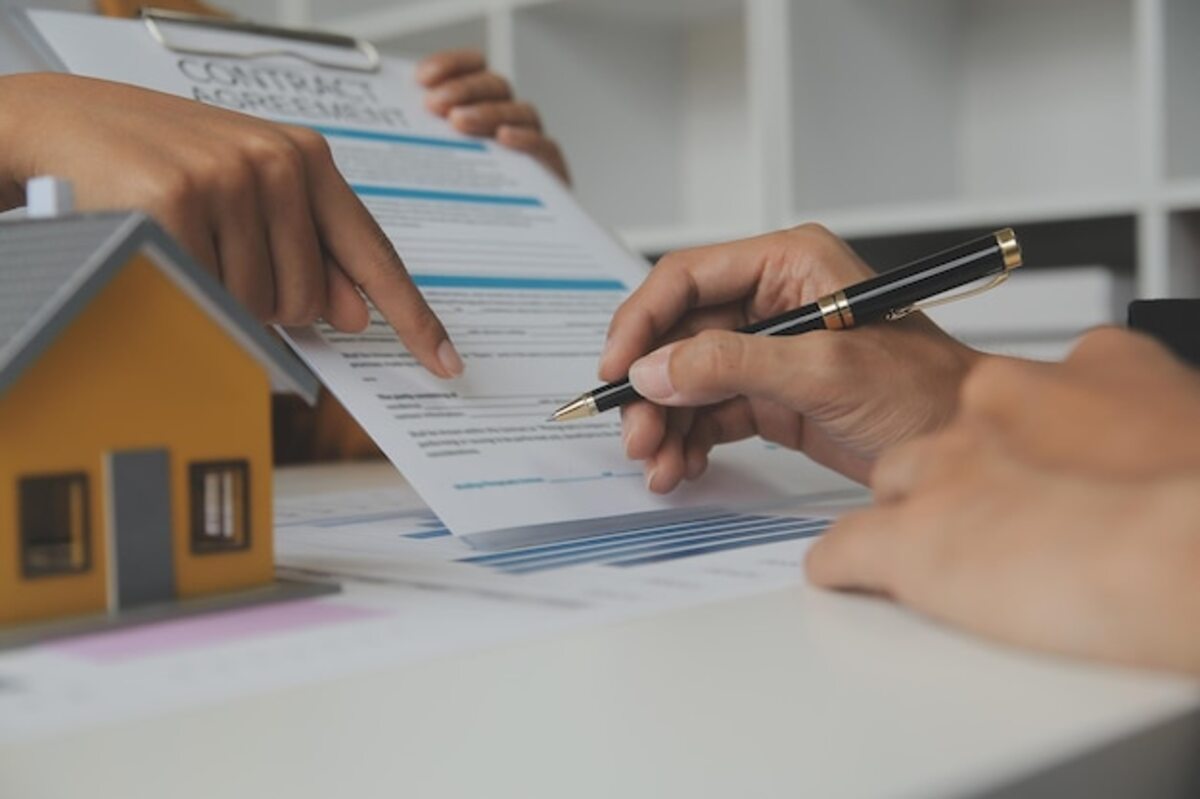
Buying a home is one of the most important decisions in life, and understanding the legal aspects surrounding it can be the key to securing your investment. In this article, we will explore how proper legal verification not only protects you from unpleasant surprises but also strengthens your confidence when acquiring a new home. Knowing your rights and the necessary procedures is essential for your buying experience to be successful and safe. Join us on this journey towards an informed and risk-free purchase.
Importance of Legal Verification in Home Purchase
Legal verification in the purchase of a home is a crucial step that should not be underestimated. This process involves reviewing all the documentation related to the property, ensuring that it is free of encumbrances, liens, or legal disputes. Conducting this verification allows you to identify potential issues before closing the transaction, which can save you time and money in the long run. By being aware of the legal status of the home, you can make informed decisions and avoid unpleasant surprises that could affect your investment.
Additionally, proper legal verification boosts your confidence as a buyer. Knowing the rights associated with your future property and understanding the legal procedures involved puts you in a stronger position against the seller and financial institutions. This translates into more effective negotiation and a more satisfying purchasing experience. At the end of the day, investing time in this aspect not only ensures that your new home is a safe haven but also provides you with peace of mind knowing that you have taken all necessary precautions to protect your assets.
Advertisements
Key Documents: What You Should Request
To ensure a safe home purchase, it is essential to request certain key documents that validate the legality of the property and the seller's situation. Among these documents, the first on the list is the title deed, which must be free of liens or mortgages. Verifying that the seller is indeed the legitimate owner will help you avoid future legal issues. Additionally, it is advisable to ask for a copy of the Certificate of No Liens, which certifies that there are no debts associated with the property and that it is not subject to seizures or claims.
Another essential document is the previous public deed, which details the history of the property and its previous owners. This will allow you to know of any possible conflicts or irregularities related to the property. You should also request the updated payment of property taxes and basic services; this ensures that you will not inherit hidden debts. Finally, the internal regulations in case of acquiring an apartment in a condominium can be crucial for understanding the existing rules and restrictions in your new community. Gathering all this information will provide you with a solid foundation for making informed decisions in your buying process.
How to Identify Properties Free of Legal Liens
To identify properties free of legal burdens, it is essential to conduct a thorough investigation into the legal status of the home you wish to acquire. Start by requesting a certificate of freedom from encumbrance at the corresponding public registry. This document will provide you with information about any mortgages, liens, or limitations that may affect the property. Additionally, check for any pending lawsuits or legal claims that could hinder your future purchase. A detailed analysis of these aspects will give you a clear view of the legal status of the property and will help avoid unwanted surprises.
Another crucial aspect is the review of the seller's background and their legal capacity to transfer ownership. Make sure that the person offering the property is indeed the owner and that there are no co-owners who must consent to the sale. It is also advisable to investigate if there are any agreements or covenants that may affect the transaction. Having the support of a lawyer specialized in real estate can be invaluable in this process, as they can guide you through the legal maze and ensure that all documents are in order before closing any deal.
The Role of the Notary in the Purchase Process
The notary plays a fundamental role in the process of buying a home, acting as a guarantor of the legality and transparency of the transaction. Their main function is to provide public certification of the acts that are carried out, which means that they validate the identity of the parties involved and ensure that all the documentation presented is correct and properly signed. This not only protects the buyers but also provides peace of mind to the seller, creating a safe environment for both parties. Additionally, the notary is responsible for verifying that there are no liens or encumbrances on the property, which could affect your future as a homeowner.
Another crucial aspect of the notary's role is their ability to advise buyers on the legal implications of the purchase agreement. This professional can explain each clause of the document and answer any questions related to rights and obligations, helping to avoid misunderstandings or potential conflicts in the future. Additionally, the notary is responsible for making the necessary registrations in the public registry, ensuring that your new property is properly documented in your name. In summary, having a competent notary during the buying process not only facilitates the transaction but also reinforces your rights as a new owner and provides you with greater legal security.
Verification of the Public Registry: Steps to Follow
The verification of the Public Registry is a fundamental step in the process of buying a home, as it allows you to confirm the legality of the property and its legal status. To begin, it is crucial to obtain the deed number of the property, as well as the details of the current owner. These elements are necessary to conduct a query in the Public Property Registry corresponding to the location of the property. By accessing this information, you can verify that there are no liens, mortgages, or legal issues associated with the property that could affect your purchase. This review provides you with greater peace of mind and confidence in making your decision.
Once you have made the initial inquiry, be sure to request a certificate of freedom from encumbrance. This document is essential to confirm that the property is free of any financial burdens or pending legal claims. Additionally, it is advisable to review the historical registrations of the property to ensure there are no irregularities in its transfer or unexpected changes in ownership. If you find any anomalies during this process, it is best to consult with a lawyer specializing in real estate before proceeding with the purchase. This way, you can avoid future complications and ensure that your investment is properly protected.
What to Do if You Encounter Legal Issues?
If during the legal verification of the property you wish to acquire you find any issues, it is essential to act with caution and speed. Legal problems can range from inconsistencies in the property documents to liens that were not disclosed by the seller. The first thing you should do is document all the information related to the issue and seek specialized legal advice. An attorney with experience in real estate law can provide you with a clear perspective on the implications of the problem and the options available to resolve it. Do not underestimate the importance of having a professional to guide you through this process, as each situation may require a different approach. Additionally, consider directly communicating with the seller or their representative to discuss the findings and see if there is room to negotiate a solution before making drastic decisions. In some cases, it may be possible to reach an agreement that benefits both parties, such as adjusting the sale price or requiring repairs before finalizing the purchase. However, if the issue is severe and cannot be easily resolved, you may have to consider other alternatives, such as withdrawing from the purchase or looking for alternative properties. Always remember to protect your interests; your home should be a safe haven and not a source of future legal conflicts.
Finally, stay informed about your rights as a buyer in case of legal disputes. Depending on your location, there are specific laws that protect buyers against fraud or malpractice in real estate transactions. Being aware of these regulations will not only help you address any issues that arise during the purchasing process but will also empower you to make informed and assertive decisions. Legal education is a powerful tool; this way you can fully enjoy the journey towards acquiring your new home without unnecessary worries.
Practical Tips for Ensuring a Secure Purchase
To ensure a safe home purchase, it is essential to conduct thorough research on the property and its legal history. Start by requesting the property title from the seller and verify that it is free of liens or encumbrances. This involves checking for any mortgages, foreclosures, or pending lawsuits that may affect your future ownership. Additionally, consult the public registry to confirm that the information provided by the seller is accurate and up-to-date. Transparency at this stage is crucial to avoid unpleasant surprises in the future.
Another essential piece of advice is to seek the guidance of a lawyer specialized in real estate. An expert can guide you through the legal process, ensuring that all documents are in order and that local regulations are met. Likewise, do not hesitate to make use of professional inspection services to verify the physical conditions of the property before finalizing the purchase. This way, you can make informed decisions and minimize risks associated with structural or legal issues that could jeopardize your long-term investment.
Advertisements
More in Legal Verification

Legal Aspects, Legal Verification
Legal Aspects of Home Noise Liability

Legal Aspects, Legal Verification
Legal Aspects of Using Shared Workspaces

Legal Aspects, Legal Verification
Legal Considerations That Ensure a Reliable Real Estate Purchase
Legal Aspects, Legal Verification
Legal Aspects to Secure Your Home Purchase in Costa Rica
Most viewed in Legal Aspects

Legal Aspects, Deeds
Legal consequences of errors in the drafting of deeds

Legal Aspects, Deeds
Implications of the lack of signature on legal documents

Legal Aspects, Deeds
Importance of writing in the protection of property rights
Legal Aspects, Deeds
The impact of typographical errors in legal writings.