Legal Aspects to Ensure Your Ideal Home Purchase

The purchase of your ideal home is a fundamental step in building your future, but are you sure you are legally protected? In this article, we will explore the crucial legal aspects you need to consider to ensure a safe transaction without surprises. From title verification to the importance of clear contracts, we will provide you with the necessary tools to make your investment not only satisfactory but also completely secure. Get ready to learn everything you need to know before signing!
1. The Importance of Title Verification
Title verification is an essential step in the home buying process, as it ensures that the seller is the legitimate owner and that the property is free of liens or legal encumbrances. A clear title means there are no disputes over the property, which could cause issues in the future. By conducting this verification, you avoid unpleasant surprises such as liens, unpaid mortgages, or claims from third parties, which protects your investment and guarantees your right to enjoy and dispose of your new home without worries. Additionally, having a thorough title verification allows you to understand the legal history of the property and any limitations that may exist. This includes restrictions on its use, easements, or rights of way that could affect your full enjoyment of the property. Investing time in this process not only provides peace of mind but also serves as a legal defense against possible future claims. In summary, ensuring that the title is clean and in order is fundamental to solidifying your purchase as a safe and responsible decision.
2. Necessary Documentation to Buy a Property
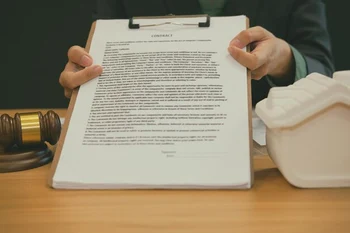
When purchasing a property, having the proper documentation is essential to ensure that your purchase is legal and hassle-free. First, you will need the sales contract, a key document that outlines the conditions under which the transaction takes place. This contract should include detailed information about the property, such as its location, features, and agreed price. Additionally, it is important that both parties sign the document in front of a notary to give it legal validity and ensure compliance.
Another crucial aspect is the verification of the title of property. This document is essential because it certifies who the true owner of the property is and ensures that there are no encumbrances or debts associated with the home. It is advisable to request a certificate of freedom from encumbrance at the corresponding public registry before proceeding with the purchase. Likewise, if you are acquiring a property in a condominium or in a real estate development, you should review the documents related to the internal regulations and maintenance fees, ensuring that you are aware of all your obligations as a new owner. Having all this documentation ready will not only protect you legally but also provide you with peace of mind throughout the purchasing process.
3. How to Identify Properties with Legal Issues
Identifying properties with legal issues can be a challenge, but it is essential for ensuring a smooth purchase. First, it is advisable to conduct thorough research on the property's history. This includes checking the local property records to verify if there are any liens, mortgages, or pending lawsuits associated with the home. Additionally, requesting information about the property’s tax status can reveal debts that could be transferred to the new owner if not resolved properly before the purchase. A detailed analysis will help you avoid unpleasant surprises in the future.
Another fundamental step is to talk to the seller and request documentation that supports their ownership. Ask for previous deeds and any documents that certify that the property is free of legal encumbrances. It is also advisable to consult with a lawyer specialized in real estate; they can provide you with a clearer insight into any legal risks involved and help you interpret complex documents. Do not underestimate the importance of having all this information before signing any contract, as it will give you greater peace of mind when closing the deal and ensure that your investment is adequately protected.
4. The Role of the Notary in Home Purchase
The notary plays a fundamental role in the process of purchasing a home, acting as a guarantor of legality and transparency in the transaction. Their main function is to ensure that all documents are in order and comply with current legal regulations. This includes reviewing the title of ownership, which guarantees that the seller has the right to sell the property and that there are no liens or legal issues associated with it. Additionally, the notary is responsible for drafting and authenticating the corresponding deeds, thus providing an additional layer of security for both the buyer and the seller.
Another crucial aspect of the notary's role is their ability to advise both parties on the rights and obligations that arise after the contract is signed. This is especially important as many times buyers are not fully aware of their responsibilities after acquiring a property, such as associated taxes or legal implications in case of default. Having a qualified notary minimizes risks and ensures that all clauses of the contract are clear and fair, providing peace of mind to the buyer in their new investment. Ultimately, involving a notary in the process not only strengthens the legality of the transaction but also protects your interests at every step of the way to your ideal home.
5. Contracts: Key Elements That Must Not Be Missing
Contracts are the backbone of any real estate transaction, as they set the terms and conditions under which the purchase will take place. A well-drafted contract should include detailed information about the property, such as its location, features, and agreed price. Additionally, it is essential that it contains specific clauses that address situations such as delays in delivery, conditions for contract termination, and warranties provided by the seller. This level of detail not only protects both parties but also minimizes the chances of misunderstandings or disputes in the future.
Another key element in a contract is the inclusion of clear deadlines and payment mechanisms. It is essential to define when payments will be made and under what conditions they will take place to avoid unpleasant surprises during the purchasing process. It is also advisable to incorporate clauses regarding prior inspections and the condition of the property at the time of delivery, which will ensure that initial expectations are met. Finally, having the appropriate legal advice when reviewing or drafting a contract can be crucial to ensure that all essential elements are present and favorable for your investment.
6. Buyer’s Rights and Seller’s Obligations
When purchasing a property, it is essential for buyers to know their rights to ensure they are making a fair and transparent transaction. Among the most important rights is the right to receive truthful information about the property, as well as to access all relevant documents related to the purchase. This includes details about the legal status of the property, existing encumbrances or liens, and any kind of hidden defects that may affect its value or habitability. Being well-informed not only empowers the buyer but also establishes a precedent of trust between both parties in the transaction. On the other hand, it is crucial for sellers to fulfill certain obligations to ensure a secure purchase. This involves providing all necessary documentation and ensuring that the property is free of debts or legal issues before completing the sale. Additionally, they must answer the buyer's questions honestly and transparently, avoiding any form of deception or lack of disclosure. By fulfilling these obligations, the seller not only protects their professional reputation but also contributes to a smoother and more satisfactory purchasing process for all parties involved.
7. Taxes and Fees Associated with Real Estate Purchase
When you embark on buying a home, it is crucial to consider not only the price of the property but also the associated taxes and fees that can significantly influence your total budget. Among these costs are the property transfer tax, which is a percentage of the purchase price that you will need to pay to the state or municipality, as well as the notary and registration fees necessary to formalize the transaction. Ignoring these charges can lead to unpleasant surprises and a financial mismatch that affects your ability to maintain your new home.
In addition to the direct taxes related to the purchase, it is also important to consider other potential recurring expenses that may arise after acquiring the property. This includes property taxes, maintenance fees, and association dues if you belong to a residential community. Understanding all these financial aspects from the beginning will allow you to better plan your finances and avoid future inconveniences. Remember that having specialized legal advice can be crucial to understanding each of these costs and thus ensuring a safe investment in your ideal home.
8. Legal Consequences for Omissions in the Process
The omission of fundamental legal aspects in the home buying process can lead to serious consequences for the buyer. Firstly, failing to conduct adequate due diligence may result in the acquisition of properties with hidden burdens, such as unpaid mortgages or prior legal issues that could lead to litigation. This would not only affect your financial investment but could also involve significant emotional strain when facing unexpected legal disputes. It is crucial that every detail of the process is reviewed and confirmed, from the status of the title deed to any restrictions or encumbrances that may exist on the property.
Additionally, omissions can lead to the nullity of the sales contract if it is discovered that any essential information was concealed or misrepresented. For example, if the seller hides serious structural defects or issues with building permits, the buyer has the right to seek compensation or even annul the transaction. Therefore, having legal advice throughout the process is essential to avoid unfavorable situations and ensure that all parties fulfill their obligations. Prevention is key; ensuring that each document is in order and backed by a professional will provide you with greater peace of mind and security on your path to acquiring your ideal home.
9. Legal Resources Available to the Buyer in Costa Rica
In Costa Rica, homebuyers have a series of legal resources that provide protection and support during the buying process. One of the main mechanisms is the ability to request a registral report, which allows verification of the legal status of the property in the Registro Nacional. This document provides essential information about any encumbrances, liens, or limitations that may affect the property, ensuring that the buyer is fully informed before making the transaction. Additionally, legal advice becomes a fundamental ally: having a lawyer specialized in real estate can help navigate the complexities of the legal system and ensure that all documents are properly prepared and signed.
Another important resource is the right to appeal to judicial instances if disputes related to the purchase arise. This includes situations such as hidden defects or contractual breaches by the seller. Buyers have the option to file lawsuits to assert their rights and obtain appropriate remedies. Additionally, there is the possibility of resorting to alternative dispute resolution methods, such as mediation or arbitration, which can be more efficient and less costly than taking a case to court. In summary, being aware of these legal resources not only empowers the buyer in their decision but also ensures a safer and more reliable experience in acquiring their ideal home.
Most viewed articles in the category Legal Aspects

Legal implications of confidentiality clauses in contracts
Discover the legal implications of confidentiality clauses in contracts and how they affect your business. Protect your valuable information today..
Legal consequences of force majeure clauses in contracts
Discover the legal implications of force majeure clauses in contracts and how they can affect your rights and obligations..

Legal consequences of errors in the drafting of deeds
Discover the serious legal consequences that can arise from errors in drafting deeds and how to avoid them to protect your interests..

Consequences of the lack of formality in legal contracts
Discover the serious consequences of not formalizing legal contracts. Protect your interests and avoid conflicts with this essential guide..