Crucial legal aspects when buying your home in Costa Rica

Buying a home in Costa Rica can be an exciting experience, but it is also filled with legal challenges that cannot be overlooked. Understanding the crucial legal aspects when acquiring a property is essential to avoid unpleasant surprises and ensure a successful transaction. In this article, we will break down what you need to know about the notarial process, the necessary documents, and how to protect your investment in this beautiful country. Get ready to become an informed and confident buyer in the Costa Rican real estate market.
1. The role of the notary in property purchases
The notary plays a fundamental role in the property buying process in Costa Rica, being a key figure who ensures the legality and transparency of the transaction. Their main responsibility is to validate the necessary documents, ensuring that everything complies with current legal regulations. This includes verifying the identity of the parties involved, as well as ensuring that there are no liens or legal issues associated with the property. The notary's intervention also provides security to both the buyer and the seller, as their role is to act as an impartial third party that ensures all steps are carried out correctly.
In addition to authenticating documents and validating contracts, the notary is also responsible for drafting the public deed of sale, an essential document to formalize the transfer of ownership. This process includes a thorough review of the title of ownership and other legal backgrounds that may affect the transaction. Without notarial support, any agreement could be vulnerable to future disputes or even legal nullities. Therefore, having a reliable notary is not just a recommended option but a necessity to protect your investment and ensure that your dream of acquiring a home in Costa Rica becomes a reality without setbacks.
2. Necessary documentation for the purchase and sale
The purchase of a home in Costa Rica requires a series of essential documents that ensure the legality and transparency of the process. One of the first documents you will need is the identity card or passport, which verifies your identity as the buyer. Additionally, it is crucial to have the certificate of freedom from liens, which demonstrates that the property is free of encumbrances or mortgages. This document is obtained through the National Registry and is essential to ensure that there are no legal issues associated with the property you wish to acquire.
Another important aspect is to keep the receipt for the property tax, known as "impuesto territorial," up to date, as well as the cadastral plan of the property, which provides detailed information about the physical and legal characteristics of the land. You should also consider having a lawyer specialized in real estate review the purchase contract, who will help you understand all the terms and conditions before signing. Having all this documentation organized and reviewed will not only facilitate the process but also give you peace of mind when making such a significant investment in your future home in Costa Rica.
3. Legal background check of the property
The legal background check of the property is an essential step in the purchasing process. This step involves ensuring that the property is not subject to liens, mortgages, or legal issues that may affect your rights to it in the future. It is advisable to request a report from the Registro Nacional, where the legal status of the asset can be verified and confirm that the seller is indeed the legitimate owner. This review will allow you to identify potential issues before closing the transaction and avoid unwanted surprises. Additionally, it is crucial to investigate whether there are any pending lawsuits related to the property or if there have been complaints about trespassing or issues with neighbors. These backgrounds can impact not only your experience as a property owner but also the long-term value of your investment. By conducting thorough due diligence, you ensure that you make informed decisions and protect your assets in such a dynamic environment as the Costa Rican real estate market. Specialized legal advice can also be a valuable resource to navigate these complex aspects and ensure that you are fully protected when acquiring your new home.
4. Taxes and fiscal burdens when buying a home
When buying a home in Costa Rica, it is crucial to consider the taxes and fiscal charges that may affect your investment. One of the main taxes to consider is the Property Tax, which is calculated annually based on the value of the property. This tax must be paid by the owner and can vary depending on the location and the cadastral value of the property. Additionally, at the time of purchase, you will need to pay the Transfer Tax on Real Estate, which amounts to 1.5% of the agreed sale price. It is essential to be prepared for these additional costs in your budget.
Another important aspect is the tax burdens related to public services and municipal fees. These contributions are necessary to maintain local infrastructure, and their amount may depend on the size of the property and the services available in the area. Before finalizing the purchase, it is advisable to investigate whether there are any outstanding debts associated with the property, as these may be transferred to the new owner. Thus, ensuring that you are aware of all tax obligations will help you avoid surprises after closing the transaction and will allow you to fully enjoy your new home without unexpected financial concerns.
5. Contracts: what to include and what to avoid
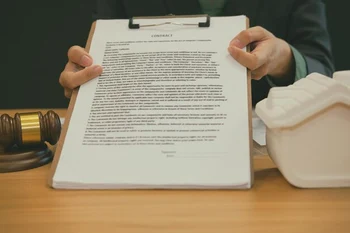
When drafting a purchase and sale contract in Costa Rica, it is essential to include clear and specific information to protect both the buyer and the seller. Details such as the identification of the parties involved, a precise description of the property, the agreed price, and the payment conditions must be included. Additionally, it is important to establish a timeline for the delivery of the property and any suspensive conditions deemed necessary. Including clauses about possible penalties in case of breach can also be a prudent measure to avoid future conflicts. A well-drafted contract serves as a legal guarantee that safeguards the interests of both parties.
On the other hand, there are certain elements that should be avoided in a purchase-sale contract. For example, ambiguous clauses can lead to misinterpretations and subsequent disputes; therefore, it is preferable to use clear and direct language. Likewise, the use of verbal agreements or undocumented promises that may be difficult to prove in the event of a possible controversy should be avoided. It is also advisable not to omit any relevant details about the legal status of the property or its tax situation; ignoring these aspects could lead to significant legal problems later on. In summary, paying attention to what is included and what is omitted in the contract can make the difference between a successful purchase and undesirable complications in the future.
6. Right to property: legal protection of the buyer
The right to property in Costa Rica is a fundamental pillar of the country's legal system, providing solid protection for real estate buyers. Upon acquiring a property, the buyer has the right to enjoy and dispose of it as they wish, always within the established legal framework. This means that new owners can feel at ease, knowing that their investment is backed by laws that protect their property title and guarantee its use without undue interference. It is essential to ensure that the property is properly registered in the Registro Nacional, as this provides conclusive proof of ownership and prevents future legal issues.
It is also advisable to seek the advice of a lawyer specialized in real estate law during the purchasing process. This professional can help verify the documentation and ensure that there are no liens or claims on the property. In the event of legal disputes related to the acquired property, having adequate legal protection allows the buyer to defend their rights in any eventuality. Therefore, knowing and exercising property rights not only provides security to the buyer but is also key to making a reliable and sustainable investment in the Costa Rican real estate market.
7. Final steps before signing the notarial contract
Before signing the notarial contract, it is essential to carry out a series of final steps that ensure the legality and viability of your purchase. Firstly, verify that all documents are in order. This includes reviewing the title of property to ensure it is free of liens or legal encumbrances. It is also advisable to request a certificate of freedom and tradition, which will allow you to confirm that the seller is the legitimate owner and that there are no disputes regarding the property. These steps are crucial to avoid future problems and ensure a smooth transaction.
Another important aspect to consider before signing is the thorough review of the notarial contract itself. It is advisable to have the support of a lawyer specialized in real estate to interpret the clauses and ensure that your interests are protected. This professional can help you understand the legal implications of the agreement, as well as any suspensive or resolutory conditions that may apply. Additionally, do not forget to inquire about the additional costs associated with the purchase, such as taxes or notarial fees, to have a clear view of the total amount you will need to disburse upon completing the transaction. With these conclusive steps, you will be better prepared to take the big step towards your new home in Costa Rica.
Most viewed articles in the category Legal Aspects

Legal implications of confidentiality clauses in contracts
Discover the legal implications of confidentiality clauses in contracts and how they affect your business. Protect your valuable information today..
Legal consequences of force majeure clauses in contracts
Discover the legal implications of force majeure clauses in contracts and how they can affect your rights and obligations..

Legal consequences of errors in the drafting of deeds
Discover the serious legal consequences that can arise from errors in drafting deeds and how to avoid them to protect your interests..

Consequences of the lack of formality in legal contracts
Discover the serious consequences of not formalizing legal contracts. Protect your interests and avoid conflicts with this essential guide..