
Essential legal aspects when buying your property in Costa Rica

When buying a property in Costa Rica, it is essential to navigate a maze of legal aspects that can determine the success of your investment. Understanding the regulations and notarial procedures is key to avoiding unpleasant surprises and ensuring that your purchase is transparent and secure. In this article, I will guide you through the essential legal aspects you must consider when acquiring your home in this beautiful country, providing you with the confidence needed to make informed decisions.
The importance of the purchase agreement: requirements and considerations.
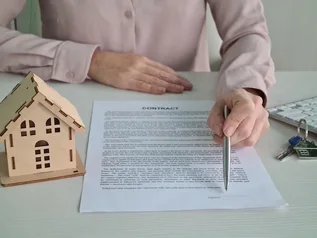
The sales contract is the fundamental document that formalizes the transfer of ownership between the seller and the buyer. In Costa Rica, this contract must meet certain legal requirements to ensure its validity. Among these requirements are the clear identification of the parties involved, a detailed description of the property, and the agreed price. Additionally, it is essential that the contract is drafted in clear and precise language, avoiding ambiguities that could lead to misunderstandings or future disputes. Including specific clauses about payment conditions, delivery timelines, and responsibilities is also crucial to protect the interests of both parties.
An important aspect to consider when drafting a purchase agreement is the need for appropriate legal advice. The involvement of a lawyer specialized in real estate can provide a professional perspective and ensure that all legal provisions are met. This step not only facilitates the drafting of the document but also gives the buyer peace of mind regarding potential encumbrances or liens on the property that could affect their investment. Therefore, taking the time to thoroughly review and understand the contract before signing it can prevent legal complications in the future, thus ensuring a successful and smooth purchase of your new property in Costa Rica.
Advertisements
Role of the notary in the Costa Rican real estate transaction.
The notary plays a fundamental role in the Costa Rican real estate transaction, acting as an impartial intermediary and ensuring that all legal procedures are carried out properly. Their main responsibility is to guarantee the legality of the sale and purchase act, which includes verifying the identity of the parties involved, as well as a thorough review of the legal background of the property. This ensures that there are no hidden burdens or encumbrances that could affect your investment, providing you with essential protection in the process.
Additionally, the notary is responsible for drafting and formalizing the public deed of sale, an essential document for carrying out the transfer of ownership. This act not only gives legal validity to the transaction but also is recorded in the National Registry, which guarantees your right over the property against third parties. The role of the notary is crucial to ensure that all the stipulations agreed upon between the buyer and seller are accurately reflected and that both parties fulfill their legal obligations. Without their intervention, the legal and economic risks associated with the purchase could significantly increase.
Verification of ownership and registration background of the property.
When acquiring a property in Costa Rica, it is essential to conduct a thorough verification of the ownership and the registration history of the property. This involves confirming that the seller is indeed the legitimate owner and that there are no liens, mortgages, or lawsuits associated with the property. To do this, you can request a certificate of freedom from liens at the Registro Nacional, which details all information related to the property, including any encumbrances that may affect your future investment. This diligence will not only protect you against potential fraud but also provide you with peace of mind knowing that you are making a secure purchase. In addition to ensuring the seller's ownership, it is important to review the registration history to identify if there have been any changes to the property over time. This includes checks for any previous legal disputes or issues related to property boundaries. Consulting with a lawyer specialized in real estate can be invaluable during this process; their expertise will allow you to correctly interpret the registered information and understand the legal implications involved. Ultimately, proper verification of these aspects is crucial to avoid future complications and ensure that your purchase is both legal and fair.
Taxes and expenses associated with the purchase of real estate in Costa Rica.
When acquiring real estate in Costa Rica, it is essential to consider the taxes and associated expenses that can significantly impact your investment. One of the main taxes to consider is the property tax (Impuesto de Bienes Inmuebles), which is calculated based on the cadastral value of the property and is paid annually. Additionally, there is a real estate transfer tax of 1.5% on the sale value, which must be covered at the time of formalizing the transaction. These costs are crucial for calculating the total budget and avoiding financial surprises after the purchase.
In addition to the above, other additional expenses such as notary fees, registration fees, and legal service costs should also be considered if you decide to hire a lawyer to advise you during the process. Notary fees typically range from 1% to 2% of the purchase price, while registration fees are relatively low but necessary to ensure that your property is properly registered in your name with the National Registry. Having clarity about these expenses will help ensure a smoother and more satisfactory experience when buying property in Costa Rica.
Legal aspects regarding properties in protected or restricted areas.
When considering the purchase of a property in Costa Rica, it is essential to be aware of the regulations governing protected or restricted areas. These areas typically include national parks, biological reserves, and coastal zones, where legislation aims to preserve the environment and biodiversity. As a buyer, it is crucial to research whether the desired property falls within any of these categories and what restrictions are associated with it. This can range from limitations on construction to regulations regarding land use, which can significantly influence the value and development potential of your investment.
It is also advisable to consult with a real estate attorney who has experience with properties located in protected areas. This professional can guide you through the legal process and ensure that all necessary permits are in order before finalizing the purchase. Ignoring these legal aspects can lead to future complications, such as fines or even the loss of the right to develop your property. Therefore, understanding these elements will not only protect you as an investor but also contribute to the conservation of the natural environment that makes Costa Rica such a special destination.
Essential clauses that cannot be missing in your contract.
When drafting a purchase agreement in Costa Rica, it is crucial to include certain clauses that protect both the buyer and the seller. Among the most important are the detailed description of the property, which must include its exact location and specific characteristics. It is also essential to establish the agreed price and payment terms, as well as the deadlines for the delivery of the property. These specifications not only prevent misunderstandings but also serve as a legal reference in case of future disputes.
Another essential clause is related to the legal status of the property; it must be clear whether there are liens, mortgages, or restrictions that may affect its use or value. Additionally, it is recommended to include a clause regarding compliance with current urban and environmental regulations in the area. Finally, incorporating provisions for conflict resolution can be invaluable. Establishing a mechanism to resolve disagreements, whether through mediation or arbitration, can make things much easier if issues arise after the purchase. Ultimately, having these essential clauses helps ensure a safer and smoother transaction in your real estate acquisition process in Costa Rica.
Legal consequences of failing to comply with the correct notarial procedures.
Failing to adhere to the correct notarial procedures when purchasing property in Costa Rica can lead to severe and often irreversible legal consequences. The lack of an appropriate notarial process can result in disputes over property ownership, as incorrect registration or the absence of essential documents may lead to claims from third parties. This could lead to lengthy and costly litigation that not only affects your initial investment but may also jeopardize your right to enjoy the acquired property. Furthermore, you may encounter issues with government entities if the established regulations for the transfer of real estate are not followed.
Another serious consequence of omitting notarial procedures is the possibility of falling victim to fraud or scams. Without a notary public to verify and authenticate all the documents involved in the transaction, you risk falling into the hands of scammers who could sell you properties without a valid title. This situation not only represents a significant financial loss but can also lead to additional legal burdens to resolve the conflict. Therefore, ensuring that you follow all the proper notarial steps not only protects your investment but also gives you peace of mind knowing that you are operating within the legal framework established by the country.
Advertisements
More in Notaries

Legal Aspects, Notaries
Legal aspects that ensure the protection of your new home
Legal Aspects, Notaries
Legal aspects that ensure your peace of mind when signing a purchase contract

Legal Aspects, Notaries
Legal aspects that ensure clarity in your home purchase.

Legal Aspects, Notaries
Legal aspects that protect your home purchase in Costa Rica
Most viewed in Legal Aspects

Legal Aspects, Deeds
Legal consequences of errors in the drafting of deeds

Legal Aspects, Deeds
Implications of the lack of signature on legal documents

Legal Aspects, Deeds
Importance of writing in the protection of property rights
Legal Aspects, Deeds
The impact of typographical errors in legal writings.