
Legal aspects that ensure transparency in your property writing
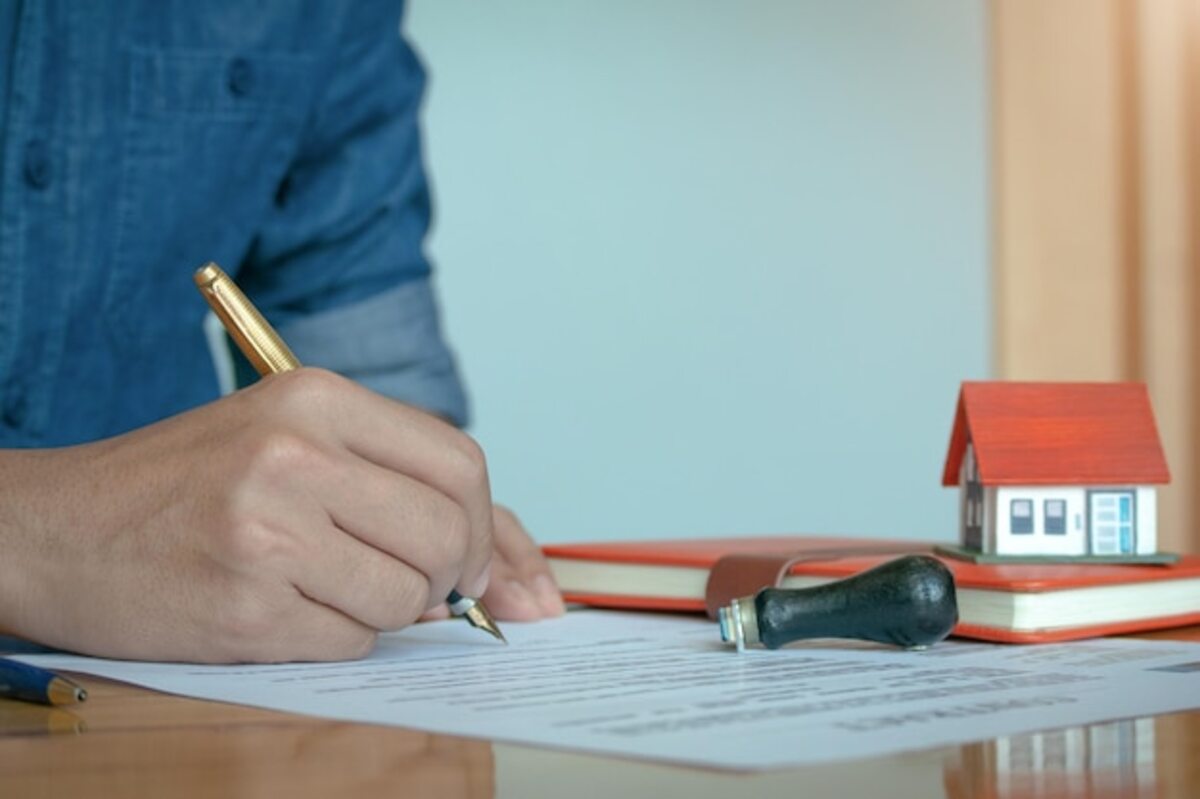
The property deed is a crucial step in the acquisition of real estate, and ensuring its transparency is essential to avoid future conflicts. In this article, we will explore the legal aspects that guarantee your deed is legitimate and clear, helping you make informed and secure decisions. Knowing these details will not only protect you as a property owner but also strengthen your confidence in the process. Get ready to uncover the secrets that will make your purchase a surprise-free experience!
The importance of the notary in property deeds
The notary plays a fundamental role in the property deed process, acting as an impartial intermediary that ensures the legality and authenticity of the sale transaction. The figure of the notary is vital, as they are responsible for verifying that all parties involved in the transaction are who they claim to be, thus ensuring that there are no frauds or impersonations. Additionally, the notary has the responsibility to review the presented documentation and confirm that there are no liens or legal issues associated with the property, which is essential for ensuring a clear and uncomplicated transfer.
Likewise, the notary provides public faith to the deed document, which means that their intervention gives indisputable legal validity to the contract. This not only protects buyers against potential future claims but also adds an additional level of security in the acquisition process. By having a notarized deed, property owners have the peace of mind knowing that they possess a legitimate title recognized by the competent authorities. In summary, the importance of the notary lies in its ability to ensure that each step in the process is transparent and compliant with current laws, thereby contributing to a satisfactory experience in real estate purchases.
Advertisements
Necessary documentation for transparent writing
To ensure transparent property writing, it is essential to have the proper documentation that supports every aspect of the purchasing process. Among the essential documents are the current property title, which certifies the legitimacy of the seller and their right to transfer the property. Additionally, it is advisable to request a certificate of liens, which reveals whether there are debts or encumbrances on the property. This information will allow you to assess the risk associated with the purchase and ensure that there will be no unpleasant surprises in the future. Another important document is the purchase agreement, where the terms of the agreement between buyer and seller must be clearly specified. This contract should include details such as the agreed price, relevant dates, and any special conditions related to the sale. Ensuring that these elements are well documented not only protects your interests as a buyer but also establishes a solid foundation for clear and unambiguous writing in the future. Thus, having all this documentation will help you avoid legal conflicts and reinforce your confidence at every step of the real estate acquisition process.
Costa Rican laws related to real estate property
In Costa Rica, real estate is governed by a set of laws aimed at protecting the rights of property owners and ensuring transparency in transactions. One of the most relevant regulations is the Civil Code, which establishes the foundations for the acquisition and transfer of real estate. This code not only defines the types of property but also regulates aspects such as purchase agreements and the need to formalize these agreements through public deeds, which ensures their validity before the law. Furthermore, it is essential that any deed is registered in the National Registry to grant publicity and enforceability against third parties.
Another important legislation is the General Property Law, which aims to promote a clear and accessible registry for all citizens. This law establishes specific procedures to resolve conflicts related to boundaries, easements, and other real rights over properties. It also emphasizes the importance of the principle "nemo dat quod non habet," which means that no one can transfer more rights over a property than they actually possess. Therefore, when acquiring a property in Costa Rica, it is crucial to verify that the seller has full legal capacity to carry out the transaction and that there are no liens or hidden encumbrances associated with the property. Understanding these laws can help you feel more secure in your investment and avoid unpleasant surprises in the future.
How to verify the legality of a deed before signing
Verifying the legality of a deed before signing is an essential step that should not be overlooked. First, it is crucial to ensure that the seller has the legal capacity to transfer the property. This involves reviewing the identity of the current owner and confirming that there are no liens or encumbrances on the property. You can request a title history or a certificate of no lien from the appropriate public registry. This information will allow you to identify any potential issues that may complicate your future ownership of the property.
It is also advisable to seek the advice of a real estate professional or a lawyer specialized in real estate law. These experts can help you interpret legal documents and identify clauses that could be unfavorable for you as a buyer. Also, remember to verify that all parties involved in the transaction are properly identified and that the agreed-upon terms are clear and fair. Conducting these checks thoroughly will provide you with greater peace of mind when signing, thus ensuring a purchase without unpleasant surprises in the future.
The role of the notary public in the validation of documents
The public notary plays a fundamental role in the validation of documents related to property deeds. Their main function is to ensure that all transactions are carried out in accordance with the law and that the documents are authentic and valid. By intervening in the process, the notary ensures that the parties involved fully understand the terms of the agreement, significantly reducing the chances of misunderstandings or future disputes. Additionally, the notary has the authority to verify the identity of the signers, providing an extra layer of security to the process.
Another crucial aspect of the notary's work is their responsibility for the proper registration of the deed with the relevant authorities. This not only formalizes the transfer of ownership but also provides additional legal protection for the new owner. In case of future disputes or claims regarding the property, having a properly notarized deed can be a decisive factor in proving ownership and rights over the real estate. Therefore, involving a public notary is not just a bureaucratic procedure but a smart investment to secure your assets and peace of mind in the long term.
Tax aspects to consider when writing a property
When writing about a property, one of the most important tax aspects to consider is the obligation to pay taxes on the transfer of real estate. This tax, which varies according to the location and value of the property, must be calculated and paid before completing the deed. Ignoring this responsibility can lead to financial penalties or legal complications in the future. Therefore, it is advisable to consult with a tax advisor to ensure compliance with all local regulations and avoid any issues.
Another key aspect is understanding how the property purchase will affect your overall tax situation. Acquiring a property can influence your tax deductions, especially if you plan to use it as your primary residence or as an investment. In some cases, you may be entitled to tax benefits when selling or renting the property. A detailed analysis will allow you to anticipate these scenarios and optimize your tax burden in the long term. Always ensure to keep accurate records and have the appropriate support to maximize your benefits in this area.
Common Mistakes in Writing and How to Avoid Them
One of the most common mistakes in property deeds is the lack of accurate information about the owner. Sometimes, important details such as the full name, marital status, or identification of the seller are omitted, which can lead to legal disputes in the future. To avoid this problem, it is crucial to verify all personal documentation and ensure that names and data are correct before signing any document. Conducting a thorough review with a lawyer specialized in real estate can be a good practice to ensure that there are no inconsistencies.
Another common mistake lies in not properly including property descriptions. This includes not only the physical location but also specific features such as boundaries and rights over access or easements. Omissions in this area can lead to confusion about the actual extent of the acquired land or even conflicts with neighbors. To prevent this, it is advisable to request an updated cadastral report and ensure that all relevant features are reflected in the deed. In this way, risks are minimized and a clear purchase without unpleasant surprises in the future is ensured.
Legal resources available to resolve property disputes
In the realm of properties, it is inevitable that disputes will arise at some point. Whether due to disagreements over boundaries, issues with ownership, or conflicts with tenants, understanding the legal resources available is essential. Among the most common options are mediation and arbitration, which offer alternative methods to resolve conflicts without the need to go to trial. These processes are generally quicker and less expensive, providing the parties involved with the opportunity to reach a friendly and satisfactory agreement. If mediation proves ineffective, property owners may turn to the courts to enforce their rights. This is where having a clear and well-drafted deed becomes relevant, as it will serve as key evidence in any litigation. Additionally, some states offer specific services for property owners facing disputes related to real estate, including free or low-cost legal advice. Knowing these resources can make a significant difference when facing a legal issue; it will allow you to defend your interests with greater confidence and effectiveness while navigating the complex world of properties.
Advertisements
More in Notaries
Legal Aspects, Notaries
Legal aspects that ensure the protection of your new home
Legal Aspects, Notaries
Legal aspects that ensure your peace of mind when signing a purchase contract

Legal Aspects, Notaries
Legal aspects that ensure clarity in your home purchase.

Legal Aspects, Notaries
Legal aspects that protect your home purchase in Costa Rica
Most viewed in Legal Aspects

Legal Aspects, Deeds
Legal consequences of errors in the drafting of deeds

Legal Aspects, Deeds
Implications of the lack of signature on legal documents

Legal Aspects, Deeds
Importance of writing in the protection of property rights
Legal Aspects, Deeds
The impact of typographical errors in legal writings.