
Legal aspects that ensure the legitimacy of your home purchase

The purchase of a home is one of the most important steps in anyone's life, and ensuring that the entire process is legitimate is essential to avoid unpleasant surprises in the future. In this article, we will explore the legal aspects that guarantee the legitimacy of your home purchase, with a special focus on the crucial role that notaries play. Knowing your rights and obligations will allow you to make informed decisions and protect your investment. Keep reading to discover how to secure your legal peace of mind when acquiring your home!
The role of the notary in the purchase of a home
The figure of the notary is fundamental in the process of purchasing a home, as they act as an impartial intermediary who guarantees the legality and authenticity of the transactions. Their main responsibility is to provide public faith in the acts and contracts that are carried out, which provides legal security to both the buyer and the seller. In this sense, the notary verifies the identity of the parties involved, reviews the necessary documentation, and ensures that there are no encumbrances or charges on the property that may affect its acquisition. In this way, their role not only protects buyers from potential fraud but also helps maintain transparency in the real estate market.
Additionally, the notary is obligated to explain each point of the contract in detail to the involved parties before proceeding with the signing. This includes crucial aspects such as payment conditions, deadlines, and rights related to the acquired property. By doing this, greater understanding on the part of the buyer regarding their obligations and rights is encouraged, which is essential to avoid future misunderstandings. In summary, having a notary during the purchasing process is not only a legal requirement in many places but also a prudent measure to ensure that your investment is legitimate and secure.
Advertisements
Necessary documentation to formalize the purchase
The formalization of the purchase of a home involves the gathering of a series of essential documents that ensure both the legality of the process and the protection of the buyer's rights. Among the most important documents is the purchase agreement, which must be drafted clearly and precisely, reflecting all the agreements between the parties involved. Additionally, it is crucial to have the seller's title of ownership, which certifies their right to sell the property and that there are no encumbrances or legal burdens on it. These documents are the foundation to ensure that your investment is backed by a solid legal framework.
Another key aspect of the necessary documentation is the certificate of freedom from liens, which provides information about the legal status of the property and assures the buyer that there are no pending mortgages or other financial commitments. It is also advisable to obtain an updated registration report, which includes the relevant data about the property in question. Finally, do not forget to include in your documentation package any necessary authorizations or licenses if the property is located in a regulated area or has special characteristics. Gathering all this documentation will allow you to proceed with confidence towards formalizing your purchase and will minimize the risk of facing legal issues in the future.
Property verification: what to check?
Property verification is an essential step in the home buying process, as it ensures that the transaction is secure and free of hidden burdens. It is crucial to review the property title to ensure that the seller is the legitimate owner and has the right to sell the property. Additionally, it is important to check for any liens, mortgages, or encumbrances that could affect your future investment. A thorough analysis of the public registry will allow you to understand not only the legal history of the home but also any situation that may compromise your acquisition.
Another key aspect during the verification is to ensure that the property complies with urban planning regulations and the necessary permits for its construction. This includes checking for appropriate licenses and whether modifications have been made without prior authorization. Additionally, visiting the property can reveal details such as structural problems or irregularities in its physical condition. Being attentive to these elements will not only protect you from potential legal conflicts but also allow you to fully enjoy your new home without future worries.
Sales contract: keys for its correct drafting
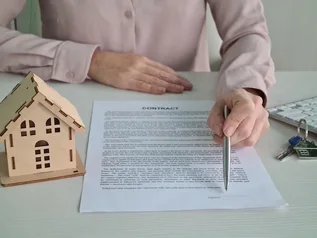
The purchase agreement is the key document that formalizes the transaction between the buyer and the seller, and its correct drafting is crucial to protect the interests of both parties. To ensure that this contract is effective, it is essential to include accurate information about the characteristics of the property, such as location, dimensions, boundaries, and any encumbrance or burden that may weigh on it. Additionally, the payment terms must be specified, including the total amount of the agreed price and the conditions under which the property will be delivered. A well-drafted contract avoids ambiguities that could lead to conflicts in the future.
In addition to the basic elements mentioned, it is vital to include clauses that address unforeseen situations or possible breaches. For example, penalties can be established in case either party fails to comply with the agreement or procedures can be detailed for resolving disputes. It is also advisable to consider the possibility of renegotiating certain conditions if unexpected circumstances arise before the final closing of the sale. Do not underestimate the importance of reviewing the contract with a legal professional specialized in real estate; this will provide you with greater peace of mind by ensuring that all legal aspects are covered and your investment is truly protected.
Taxes and costs associated with the real estate transaction
When purchasing a property, it is essential to consider not only the price of the property but also the taxes and associated costs that can influence the total transaction. Among these are the property transfer taxes, which vary depending on the location and value of the property. Additionally, it is important to take into account other expenses such as notarial fees, property registration fees, and potential commissions to real estate agents. These costs not only affect your immediate budget but can also impact your long-term financial planning.
A proper understanding of these taxes and costs will allow you to conduct a more comprehensive analysis before making a final decision about the purchase. It is advisable to consult with a real estate attorney or a financial advisor who can explain each of these elements in detail and how they apply to your specific situation. This way, you can avoid unpleasant surprises and ensure that your investment is protected from all legal and financial angles. Ultimately, being informed about the tax aspects related to the purchase will provide you with a smoother and more satisfying experience as you become a homeowner.
Registration in the National Registry: importance and procedure
Registration in the National Registry is an essential step that ensures the legitimacy of the purchase of a home. This registry provides a legal guarantee on the property, as it establishes who the true owner of the property is and protects your rights as a buyer. By registering your acquisition, future issues related to ownership, such as claims from third parties or fraud, are prevented. Additionally, this formalization grants your purchase greater legal security and facilitates any future procedures related to the property, such as obtaining financing or making improvements. The process to register your home in the National Registry is relatively simple but requires attention to certain important details. Generally, you will need to present a series of documents that include the purchase agreement duly signed before a notary, personal identification, and any other document that certifies the legality of the transaction. Once the necessary documents are submitted and the corresponding fees are paid, the registry will proceed to verify the information before issuing a new title confirming your right to the property. Completing this step not only provides you with peace of mind but also contributes to the orderly functioning of the real estate market and respect for the rights of all owners.
Buyer rights regarding potential irregularities
When purchasing a property, it is essential for the buyer to be aware of their rights regarding potential irregularities that may arise during the buying process. One of the main rights is the ability to receive clear and truthful information about the property, including its legal status and any existing encumbrances or liens. If any irregularities arise, such as issues with ownership or discrepancies in documentation, the buyer has the right to demand clarifications and solutions from the seller. This not only ensures that the process is transparent but also protects the buyer from future legal complications.
Additionally, if irregularities are identified after the purchase, the buyer has the right to file complaints with the competent authorities or even seek judicial compensation if affected. This includes situations such as fraud, concealment of significant defects, or breach of the terms agreed upon in the contract. Therefore, it is essential to have appropriate legal advice before and after the transaction to ensure that all rights are respected and to assert any necessary claims. Knowing these rights not only empowers the buyer but also promotes a fairer and more transparent real estate market.
Essential clauses to protect your interests
When purchasing a property, it is essential to include clauses that protect your interests in the sales contract. Among the most relevant are those that clearly define the condition of the property, specifying whether it is sold as-is or if the seller commits to making certain repairs. It is also crucial to include clauses regarding the delivery of the property, establishing clear deadlines and penalties in case of non-compliance. These stipulations not only ensure that you receive what you have agreed upon, but also provide you with a legal recourse in case of future disputes.
Furthermore, the clauses related to financing are essential to protect your investment. It is advisable to detail the payment terms, including the initial amount and the conditions for any additional financing. Likewise, it is important to include a conflict resolution clause that specifies how discrepancies between the parties will be handled. By having these measures clear from the beginning, you not only ensure your peace of mind during the purchasing process but also establish a robust legal framework that safeguards your rights as a buyer in the long term.
Practical tips for choosing the right notary
When it comes to choosing the right notary to formalize the purchase of your home, it is essential to consider several factors that can influence the security and effectiveness of the legal process. First, verify that the notary is properly accredited and has a good reputation in the market. You can consult recommendations from friends, family, or look for reviews online. A notary with experience in real estate transactions will be able to guide you through the process and resolve any issues that may arise, which is vital to ensure that everything is handled correctly.
Also, don't hesitate to ask about the notary's fees and what services are included in those costs. Some professionals may offer lower rates, but it is important to ensure that they do not compromise the quality of service or overlook essential aspects of the legal process. Good communication is also key; the notary should be available to answer your questions and keep you informed about each stage of the transaction. By choosing a notary who meets these criteria, you will be ensuring that you have a reliable ally who will protect your interests throughout the purchase of your new home.
Advertisements
More in Notaries

Legal Aspects, Notaries
Legal aspects that ensure the protection of your new home
Legal Aspects, Notaries
Legal aspects that ensure your peace of mind when signing a purchase contract

Legal Aspects, Notaries
Legal aspects that ensure clarity in your home purchase.

Legal Aspects, Notaries
Legal aspects that protect your home purchase in Costa Rica
Most viewed in Legal Aspects

Legal Aspects, Deeds
Legal consequences of errors in the drafting of deeds

Legal Aspects, Deeds
Implications of the lack of signature on legal documents

Legal Aspects, Deeds
Importance of writing in the protection of property rights
Legal Aspects, Deeds
The impact of typographical errors in legal writings.