
Legal aspects that ensure transparency in home buying
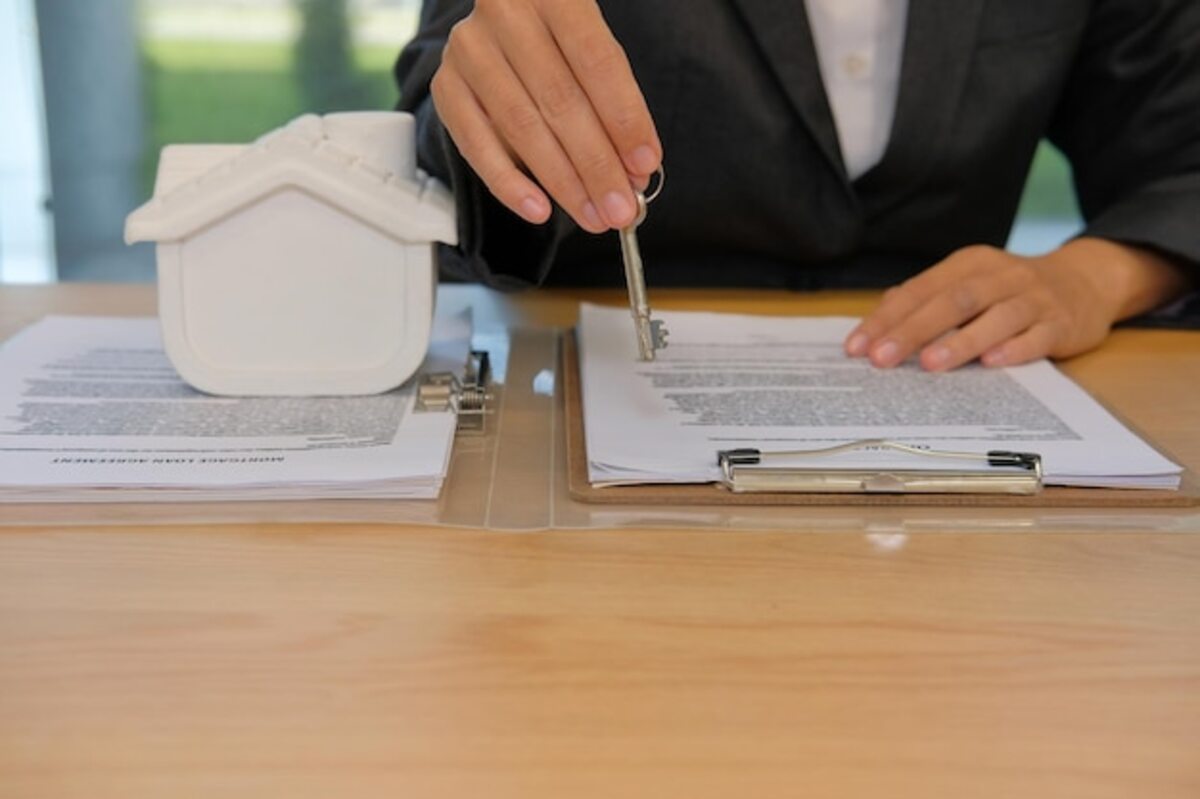
The purchase of a home is one of the most important steps in anyone's life, and ensuring transparency in this process is essential. In Costa Rica, the legal aspects involving notaries play a crucial role in protecting your rights as a buyer. Understanding these elements not only provides you with security but also empowers you to make informed decisions and avoid unpleasant surprises. Discover how these aspects can guarantee a transparent and hassle-free transaction.
The role of the notary in the home buying process
The figure of the notary is fundamental in the process of buying a home, as they act as an impartial intermediary who ensures the legality of the transaction. Their main function is to certify the authenticity of the documents and guarantee that both parties comply with the agreed conditions. By intervening in the signing of the purchase contract, the notary ensures that all legal requirements are met, which includes verifying the identity of the signers and checking that there are no liens or mortgages on the property. In this way, the buyer can have peace of mind knowing that they are acquiring a property free of legal issues.
Additionally, the notary has the responsibility to advise the parties involved about their rights and obligations within the contract. This implies a thorough review of the content of the contract, as well as explaining the tax and legal implications associated with the purchase. By providing this guidance, the notary not only facilitates a clearer understanding of the process but also empowers the buyer to make informed decisions. In summary, having a competent notary is key to ensuring a transparent transaction and protecting your interests throughout the home acquisition process.
Advertisements
Necessary documentation for a secure purchase
To carry out a secure home purchase, it is essential to have the proper documentation that supports both the legality of the property and the rights of the buyer. Among the essential documents are the title deed, which proves who the legitimate owner is; and the encumbrance certificates, which inform if there are any debts or encumbrances on the property. Additionally, it is crucial to obtain an updated cadastral map that verifies the dimensions and boundaries of the land, as well as the permitted use according to the local zoning plan. These documents are the foundation to ensure that you are making a solid investment free of future surprises.
It is also important not to overlook the significance of the purchase agreement. This document must be prepared by a lawyer specialized in real estate and should include all the necessary clauses to protect your interests. It is advisable to demand a thorough review of it, ensuring that aspects such as the payment method, the established deadlines, and any specific conditions agreed upon by the parties are included. By having all this documentation in order, you ensure not only that you are making a legally valid purchase but also that you have a clear backup in case of any future disputes.
Contracts: keys to avoid future conflicts
Contracts are the legal basis that formalizes any housing purchase transaction, and understanding their structure is essential to prevent future conflicts. When drafting a contract, it is crucial to include all relevant aspects of the operation: from the agreed price and payment conditions to delivery timelines and the responsibilities of each party. Each clause must be clear and specific, avoiding ambiguous terms that could lead to misinterpretations. A detailed review of the contract by a specialized lawyer can ensure that your rights are protected and that all obligations are clearly stipulated.
Additionally, it is important to consider the inclusion of clauses that address possible eventualities, such as the possibility of terminating the contract under certain conditions or how conflicts will be handled if they arise in the future. These provisions not only help avoid misunderstandings between buyer and seller but also establish a framework for resolving disputes without the need to resort to complex legal proceedings. A good contract acts as a protective shield that safeguards your interests and provides you with peace of mind throughout the purchasing process, thus ensuring a satisfactory experience in your new real estate acquisition.
The importance of registration.
The registration is a fundamental step in the process of purchasing a home, as it provides legal security to the transaction. By registering the property in the National Registry, it publicly establishes who the legitimate owner of the property is, protecting both the buyer and the seller. This registry not only provides clarity regarding ownership but also allows for the verification of any encumbrances, liens, or limitations that may affect the use and enjoyment of the property. Without this registration, the buyer is exposed to significant risks, such as future legal disputes or issues related to third-party rights.
Additionally, the registration contributes to facilitating future transactions related to the property. For example, if later you wish to sell or mortgage the property, having a clear and updated record will greatly simplify these processes. Access to accurate information about the legal status of the real estate also reinforces trust between the parties involved in any future transaction. In summary, carrying out the registration not only secures your rights as a new owner but also lays the groundwork for effective and smooth management of your new home.
Due diligence: what is it and why is it essential?
Due diligence refers to the process of investigation and verification that a buyer must undertake before formalizing the acquisition of a property. This step is essential to ensure that there are no hidden issues that could negatively impact the investment. It includes aspects such as reviewing legal documents, checking the physical condition of the property, and verifying liens or mortgages that may affect the title. By conducting thorough due diligence, buyers can avoid unpleasant surprises and ensure that their purchase is legitimate and secure. The importance of due diligence lies in its ability to protect the buyer against potential fraud or legal disputes. In a real estate market where transactions are common, having all relevant information enables informed decision-making and prevents future problems. Furthermore, this process not only benefits the buyer; it also helps maintain transparency in the market, which is fundamental for fostering trust among all parties involved in a real estate transaction. In summary, conducting proper due diligence is an investment in peace of mind and long-term security.
Tax considerations when purchasing property
When considering the purchase of a property, it is essential to take into account the tax aspects that may influence the transaction. In Costa Rica, the taxes related to the acquisition of real estate include the property tax and the transfer tax. The former is applied annually on the cadastral value of the property and should be considered in your long-term budget. On the other hand, the transfer tax is a one-time cost that is paid when formalizing the purchase, which can significantly affect the total amount you will need to complete the transaction. Understanding these elements will allow you to better plan your investment and avoid financial surprises.
In addition to direct taxes, it is important to consider other fiscal aspects such as possible deductions and the implications in case of future sale. For example, if you decide to sell your property later, you could be subject to a capital gains tax. However, there are exemptions and deductions that may apply depending on how long you have held the property and its use (residential or commercial). Having proper tax advice from the beginning of the process can help you optimize your financial situation and ensure that you are meeting all your tax obligations without unnecessary complications.
Consumer protection: buyer rights in Costa Rica
Consumer protection in Costa Rica is a fundamental pillar to ensure that buyers' rights are respected during the process of acquiring a home. The Consumer Protection Law establishes that all buyers have the right to receive clear and truthful information about the property they are considering, as well as to know the sales conditions and any potential encumbrance or lien that may affect the property. This law also considers fair commercial practices and prohibits misleading advertising, which means that any offer must be transparent and reflect the reality of the product offered.
Additionally, buyers have the right to claim in case of non-compliance by the seller. If any issues related to the quality of the property arise or if irregularities are discovered after the purchase, the consumer can exercise their rights to demand repairs or even the annulment of the contract. It is important for each buyer to be informed about these rights and how to enforce them, as this not only ensures a fair transaction but also helps strengthen the real estate market in Costa Rica, promoting an environment where both buyers and sellers act responsibly and transparently.
Dispute resolution: the role of notaries
In the context of home buying, disputes can arise for various reasons, from disagreements over contract terms to issues related to the property itself. This is where notaries play a fundamental role in conflict resolution. Notaries are impartial professionals who, when intervening in a real estate transaction, not only authenticate documents and sign contracts but also act as mediators in case of discrepancies. Their training and authority allow them to provide objective opinions that can help the parties reach an agreement before a situation becomes a prolonged legal conflict. Moreover, notaries have the ability to provide legal security to buyers by ensuring that all agreements are made in accordance with the law. In case disputes arise, notarial documents carry significant evidentiary weight in courts. This means that any disagreement can be resolved more easily and with less risk for both parties if there is solid notarial backing. Thus, having a notary not only facilitates the buying process but also acts as insurance against future legal complications, ensuring a smoother and more transparent experience in acquiring your new home.
How to choose a reliable notary for your transaction
When choosing a reliable notary for your home purchase transaction, it is essential to consider their experience and reputation in the market. A notary with a solid track record in real estate transactions will not only provide you with the peace of mind that your documents are in good hands but will also be familiar with the local laws and regulations that may affect your purchase. Researching reviews from other clients, as well as asking for recommendations from friends or family, can be an excellent starting point for finding a competent and honest professional. Another important aspect when selecting a notary is to ensure that they are properly accredited and licensed to practice in Costa Rica. Verifying their credentials will give you confidence in their ability to carry out the legal process appropriately. Additionally, do not hesitate to ask questions about the steps involved in the transaction and any concerns you may have. A good notary should be willing to explain each phase of the process to you, thus ensuring clear and open communication that promotes transparency throughout the entire buying procedure.
Common cases of real estate fraud and how to prevent them
The purchase of a home can come with risks, especially if one is not attentive to the most common real estate frauds. Among them, one of the most frequent is the sale of properties that do not belong to the seller. This occurs when a scammer impersonates the legitimate owner, using forged documents to carry out the transaction. Another common case is the omission of liens or debts on the property, which can lead to negative surprises for the buyer. To prevent these frauds, it is essential to conduct thorough due diligence that includes verifying the seller's identity and consulting the public registry to ensure that the property is free of encumbrances. Additionally, it is advisable to have the support of a real estate attorney or a trusted notary throughout the process. These professionals have the necessary knowledge to detect irregularities and provide appropriate legal advice. It is also wise to request a copy of the property title and carefully review all the documents involved in the transaction. Education and attention are the best tools to protect oneself against real estate fraud and ensure that your investment is safe and transparent. Being clear about the legal aspects backing your purchase will not only give you peace of mind but also allow you to fully enjoy the new home you have acquired.
Advertisements
More in Notaries
Legal Aspects, Notaries
Legal aspects that ensure the protection of your new home
Legal Aspects, Notaries
Legal aspects that ensure your peace of mind when signing a purchase contract

Legal Aspects, Notaries
Legal aspects that ensure clarity in your home purchase.

Legal Aspects, Notaries
Legal aspects that protect your home purchase in Costa Rica
Most viewed in Legal Aspects

Legal Aspects, Deeds
Legal consequences of errors in the drafting of deeds

Legal Aspects, Deeds
Implications of the lack of signature on legal documents

Legal Aspects, Deeds
Importance of writing in the protection of property rights
Legal Aspects, Deeds
The impact of typographical errors in legal writings.