
Legal aspects that facilitate home buying without surprises.

The purchase of a home is one of the most important steps in anyone's life, and it can often come with uncertainties. In this article, we will explore the legal aspects that facilitate the purchase of property in Costa Rica, ensuring that your investment is safe and free from unpleasant surprises. Discover how the role of notaries and proper knowledge can transform your experience in the real estate market.
The importance of the sales contract: key elements
The sale and purchase of a property is a process that, beyond the economic transaction, involves a series of legal commitments between the parties involved. A well-drafted purchase agreement is essential to ensure that both the seller and the buyer fulfill their obligations and rights. This document must include key elements such as the full identification of the parties, the description of the property, the agreed price, and the payment conditions. Additionally, it is essential to detail any relevant clauses that may affect the transaction, such as contingencies related to financing or pre-purchase inspections. Clarity on these points not only protects both parties but also minimizes the risk of future conflicts or misunderstandings.
Another important aspect of the sales contract is its formalization before a public notary. In many countries, this requirement not only gives legal validity to the document but also ensures that all necessary legal requirements for the transfer of ownership are met. The notary is responsible for verifying the identities of the signatories and ensuring that there are no encumbrances or legal issues associated with the property in question. With proper advice and a clear and precise contract, buyers can make their investment with greater confidence and peace of mind, knowing that they are protected against potential unpleasant surprises during the process.
Advertisements
What role do notaries play in the purchase of a home?
Notaries play a crucial role in the home buying process, as they are responsible for formalizing and authenticating documents related to the real estate transaction. When acquiring a property, it is essential to have a notary review all the documents, such as the title of ownership and the deeds, to ensure that there are no encumbrances or liens that could affect the purchase. The notary acts as a reliable and neutral intermediary, ensuring that both parties fulfill their legal obligations and providing greater protection to both the buyer and the seller.
In addition to validating the necessary documentation, notaries are also responsible for carrying out the corresponding registration in the National Registry. This procedure is essential to ensure that the transfer of ownership is official and legally recognized. Without this registration, the buyer could face future legal issues regarding the ownership of the property. In this regard, having an experienced notary not only facilitates the purchase but also provides peace of mind to the buyer, knowing that their investment is backed by a solid and transparent legal process.
Property verification: avoid legal surprises
Property verification is a crucial step in the home buying process that should not be taken lightly. Before making any transaction, it is essential to ensure that the property is free of liens, mortgages, or legal disputes. This can be achieved through a thorough review of the National Registry, where all legal backgrounds of the property can be consulted. Having the advice of a lawyer specialized in real estate law can facilitate this process and provide the necessary peace of mind to proceed confidently.
Additionally, during the verification process, it is important to confirm that the seller is indeed the legitimate owner of the property and has the legal capacity to sell it. In some cases, properties may be subject to special conditions or limitations that could affect their use or future value. By addressing these issues from the outset, you avoid unpleasant surprises that could arise after making a significant investment. Due diligence at this stage not only protects your investment but also provides you with a solid foundation on which to build your future plans in the acquired home.
Taxes and fees associated with buying a house
When acquiring a home, it is essential to be aware of the taxes and fees associated with the transaction, as these can significantly impact the total cost of the purchase. In Costa Rica, one of the main taxes to consider is the Property Transfer Tax (ITBI), which is calculated based on the sale value of the property. This tax must be paid within a specific timeframe after the signing of the deed, and its rate may vary depending on the municipality. Additionally, it is important to consider other costs that may arise, such as notary fees and legal service charges, which are crucial to ensure that the entire process is carried out in accordance with the law.
Another relevant aspect is the expenses related to the registration of the property in the National Registry. This procedure involves an additional cost that must be considered within the overall budget to avoid financial surprises. There may also be other potential liens or encumbrances on the property that could affect your investment; therefore, conducting due diligence will be essential. With proper legal advice and knowledge about these taxes and fees, you will be able to navigate the home acquisition process with confidence and ensure that your new property is a true home without unexpected issues.
The role of the notary as a guarantor in real estate transactions
The role of the notary is essential in the process of purchasing a home, acting as a guarantor that ensures the legality and transparency of the transaction. Being a professional with specialized legal training, the notary has the responsibility to verify that all documents are in order and that the parties involved meet the necessary legal requirements. This includes a thorough review of the property, ensuring that there are no encumbrances or legal issues that could affect the new acquisition. Thus, their intervention protects both the buyer and the seller, providing an additional layer of trust in the process.
Additionally, the notary is responsible for formalizing the purchase contract through a public deed, a document that grants legal validity to the transaction and allows it to be registered in the National Registry. This step is essential to ensure that the rights of the new owner are properly protected against any future eventualities. Having a notary minimizes the chances of unpleasant surprises related to legal issues or disputes over the acquired property. In summary, choosing a good notary can be crucial to guarantee a safe and satisfactory experience in purchasing your home.
Legal aspects for foreign buyers in Costa Rica
The purchase of real estate in Costa Rica for foreign buyers involves a series of legal considerations that are essential to understand. First, it is crucial to recognize that foreigners have the right to acquire properties in the country without significant restrictions, as long as proper procedures are followed. This includes verifying the ownership of the land and ensuring that there are no liens or legal issues associated with the property. Having a lawyer specialized in real estate can be invaluable, as he or she will be able to guide you through the legal process and ensure that all documents are in order.
Another crucial aspect is property registration. All sale agreements must be formalized before a notary and then registered in the National Registry to ensure their legal validity. This step ensures that your property title is officially recognized, protecting you against potential future claims. Additionally, it is advisable to review the regulations regarding foreign ownership in coastal areas or special zones, where specific limitations may exist. Staying well-informed about these legal aspects not only facilitates the purchase but also provides peace of mind when investing in your dream home in Costa Rica.
Practical tips for choosing a good notary when buying a home
When choosing a notary for the purchase of a property, it is essential to ensure that they have the necessary experience and credibility. Research their professional background, check reviews from other clients, and verify if they are properly registered with the Colegio de Notarios. A good notary should not only have knowledge in real estate law but also interpersonal skills to guide you through the legal process with clarity and confidence. Do not hesitate to ask about their specific experience in transactions similar to yours; this will give you a clearer idea of their competence.
It is also advisable to consider the geographical proximity and availability of the notary. Effective communication can make a significant difference during the buying process, so choosing someone who is accessible and willing to answer all your questions is essential. Also, consider asking for references from friends or family who have gone through similar experiences; their recommendations can be valuable when making this important decision. In the end, a good notary will not only facilitate compliance with legal requirements but will also provide you with peace of mind throughout the transaction.
Advertisements
More in Notaries
Legal Aspects, Notaries
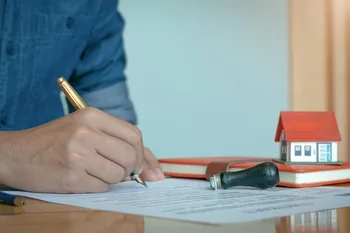
Legal aspects that ensure the protection of your new home
Legal Aspects, Notaries
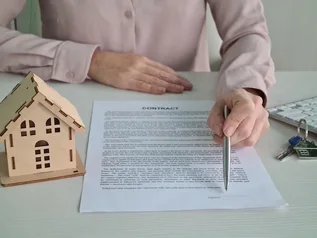
Legal aspects that ensure your peace of mind when signing a purchase contract

Legal Aspects, Notaries
Legal aspects that ensure clarity in your home purchase.

Legal Aspects, Notaries
Legal aspects that protect your home purchase in Costa Rica
Most viewed in Legal Aspects

Legal Aspects, Deeds
Legal consequences of errors in the drafting of deeds

Legal Aspects, Deeds
Implications of the lack of signature on legal documents

Legal Aspects, Deeds
Importance of writing in the protection of property rights
Legal Aspects, Deeds
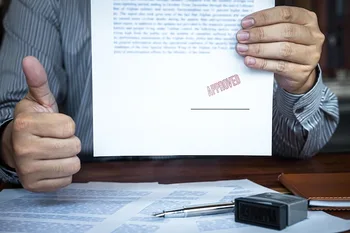
The impact of typographical errors in legal writings.