
Legal aspects that facilitate your home purchase in Costa Rica

Buying a home in Costa Rica can be an exciting yet complex process. Understanding the legal aspects that facilitate this transaction is essential to ensure a successful and smooth experience. In this article, we will explore how notaries play a crucial role in the legalization of your property purchase, ensuring that each step is carried out in accordance with the law. Discover how these elements can simplify your path to the home of your dreams.
Importance of the notary figure in home buying
The role of the notary in home buying is essential to ensure legality and transparency in the process. This professional not only authenticates signatures on documents but also verifies that all information related to the property is clear and free of encumbrances or liens. By having a notary, buyers are assured that they are acquiring a property without unpleasant surprises, which helps to build trust between the parties involved. The intervention of the notary transforms a simple verbal agreement into a formal and binding contract, which is crucial to avoid future legal conflicts.
Additionally, the notary acts as an impartial intermediary between the seller and the buyer, ensuring that both parties fulfill their contractual obligations. Their deep knowledge of the Costa Rican legal framework allows buyers to navigate complex aspects such as taxes, registrations, and local regulations. In this way, not only is a smoother transaction facilitated, but risks associated with fraud or misunderstandings during the buying process are also minimized. Having the support of a notary is a wise investment for anyone looking to purchase a home in Costa Rica.
Advertisements
Necessary documentation to start the process
To start the home buying process in Costa Rica, it is essential to have the appropriate documentation to support your transaction. First, you will need a valid identification, such as a cédula de identidad for Costa Rican citizens or a passport for foreigners. Additionally, it is advisable to have proof of income that demonstrates your financial capacity to handle the purchase. This information will not only help you obtain financing if needed, but it will also be crucial for the notaries and entities involved in the legal process.
Another important document is the statement from the Registro Nacional, which verifies the legal status of the property you wish to acquire. This statement must confirm that the property is free of encumbrances and up to date on its tax obligations. Additionally, you will need to request a letter of no debt for the property tax corresponding to the property. Having all this documentation ready will facilitate the notary's work and ensure that all necessary legal requirements are met to carry out a safe and hassle-free purchase.
The role of the notary in due diligence
The notary plays a fundamental role in the home buying process in Costa Rica, especially regarding due diligence. This professional is responsible for verifying that all documents related to the property are in order and comply with legal regulations. This includes checking the ownership of the property, ensuring that there are no liens or debts associated, and validating that the seller has the legal capacity to carry out the transaction. In this way, the notary acts as a guarantor of legal security, protecting both the buyer and the seller from potential future inconveniences.
Furthermore, the notary is the one who formalizes the sales contract through the public deed, an essential document that grants legal validity to the transaction. Through this act, the transfer of ownership is registered in the National Registry, which is crucial to ensure the rights of the new owner. By having an experienced notary conduct a thorough review and provide advice throughout the process, buyers can feel more at ease and confident when taking this important step toward their new home. In this way, not only is the real estate transaction facilitated, but the legal framework surrounding this significant investment is also strengthened.
How to verify the legality of the property title
To ensure that your investment in a property in Costa Rica is secure, it is vital to verify the legality of the title of ownership. This process involves checking that the title is properly registered in the Registro Nacional and that there are no liens, mortgages, or pending litigation that could affect your purchase. A lawyer specialized in real estate can assist you in this task, ensuring that all documents are in order and comply with local regulations. Additionally, it is important to confirm that the seller is indeed the legitimate owner of the property and has the legal capacity to carry out the transaction.
It is also advisable to obtain a certificate of freedom from encumbrances, which provides updated information on the status of the property title. This document is essential to protect you against potential unpleasant surprises after closing the purchase. Remember that any irregularity found during this process may be sufficient reason to reconsider your decision or negotiate better terms with the seller. Due diligence in verifying the legality of the title will not only save you future problems but will also give you peace of mind when making such a significant investment as purchasing a home.
Writing process: essential steps to follow
The writing process is an essential component in the purchase of a home in Costa Rica, as it formalizes the agreement between the buyer and the seller. To begin, it is crucial for both parties to review the purchase-sale contract, ensuring that all terms are clear and fair. This document should include relevant information such as the identification of the parties, the description of the property, the agreed price, and the general conditions of the transaction. It is also advisable to have the assistance of a lawyer specialized in real estate to avoid any misunderstandings or legal issues that may arise in the future.
Once the contract has been reviewed and accepted by both parties, it proceeds to be signed before a notary public. This professional not only verifies the identity of the signers but also ensures that all the documentation is in order and complies with current legal regulations. Signing before a notary provides an additional layer of security to the process, as the notary has the legal responsibility to ensure the validity of the legal act. Finally, after completing all necessary procedures and making the corresponding payment, the property will be registered in the Registro Nacional, which grants the buyer full ownership of their new home.
Tax implications in real estate purchases
The purchase of real estate in Costa Rica not only involves emotional decisions but also carries a series of tax responsibilities that are crucial to understand. One of the most relevant aspects to consider are the taxes associated with property acquisition. In this sense, the real estate transfer tax and the property tax are two tax obligations that must be fulfilled by the buyer. The former applies at the time of purchase, while the latter is an annual tax calculated on the fiscal value of the property. It is important to be informed about the specific rates and conditions to avoid unpleasant surprises in the future.
In addition to taxes, it is essential to consider the available tax deductions for those acquiring housing. In some cases, buyers may benefit from tax incentives designed to facilitate access to property. Knowing these benefits can not only help reduce the immediate tax burden but also improve your long-term financial planning. Therefore, having appropriate legal advice can be key to maximizing your tax advantages and ensuring that your investment is as profitable as possible within the legal framework of the country.
The importance of the public registry in Costa Rica
The public registry in Costa Rica is an essential component in the home buying process, as it ensures the legal security of the acquired property. This registry allows buyers to verify the legality of the property and ensure that there are no liens, mortgages, or legal disputes that could affect their new acquisition. By registering the property in your name with the Registro Nacional, the transfer of title is formalized, providing peace of mind and protection against potential future claims. Without this crucial step, you could face significant risks that compromise your investment. Additionally, the public registry serves as a transparent source of information about the property's history. This includes relevant data such as previous owners, completed transactions, and any existing encumbrances on the property. Having access to this information allows buyers to make informed decisions and minimize unpleasant surprises after the purchase. Therefore, understanding the importance of the public registry is not only vital to secure your rights as a property owner but also to facilitate a smoother and safer process on your way to that dream home.
Tips for choosing the right notary
Choosing the right notary is a crucial step in the home buying process, as this professional will be responsible for ensuring that all transactions are carried out in accordance with the law and that your rights as a buyer are protected. To select the ideal notary, start by researching their experience and reputation in the Costa Rican real estate market. Look for recommendations from friends, family, or real estate agents who have used their services before. A notary with a solid track record can provide you with the peace of mind needed to proceed with your purchase worry-free.
Additionally, it is important to consider the notary's specialization in real estate transactions. Some notaries may have experience in various legal areas, but those who specifically focus on real estate will be more familiar with the local nuances and regulations that affect your purchase. Do not hesitate to ask questions about their working process and how they will handle the legal aspects related to your property. A good notary will not only guide you through the necessary documentation but will also provide valuable advice to avoid future problems, thus ensuring a smoother and safer experience on your path to the home of your dreams.
Rights and obligations of the buyer upon signing the deed
By signing the deed of a property in Costa Rica, the buyer acquires a series of rights that are fundamental to protecting their investment. Among these rights is property ownership, which means that once the transaction is completed, the buyer is legally recognized as the new owner. Additionally, they have the right to enjoy the use and benefit of the property without undue interference, as well as to receive all information related to the legal and physical status of the property. It is important for buyers to be informed about these rights in order to fully exercise them and avoid future inconveniences. However, along with these rights, obligations also arise that the buyer must fulfill at the time of signing the deed. One of the most relevant is the obligation to pay the agreed price for the property within the timeframe stipulated in the contract. Likewise, the buyer must ensure that all necessary legal procedures are carried out to formalize their acquisition, which includes registering the deed in the National Registry. Failure to comply with these obligations can lead to legal consequences that affect both the purchase process and the acquired rights, so it is essential to understand this balance between rights and responsibilities before taking this important step towards acquiring a home.
Legal resources available for buyers in Costa Rica
In Costa Rica, homebuyers have a series of legal resources that allow them to protect their rights and ensure a secure transaction. Among these resources are the laws that regulate property and the right to private property, as well as mechanisms to resolve disputes related to the purchase of real estate. Additionally, buyers can turn to government entities, such as the Registro Nacional, where they can verify the legal status of the property and ensure that there are no liens or legal issues associated with it. This provides an additional layer of security in the acquisition process.
Another important resource is the legal advice provided by attorneys specialized in real estate law. These professionals can guide buyers through the process, helping to interpret contracts, conduct due diligence, and ensure that all documents are in order before closing the transaction. Additionally, there are organizations and associations that offer support and guidance to new homeowners regarding their rights and responsibilities, which is essential to avoid potential issues in the future. With these resources available, buyers in Costa Rica are better prepared to face any challenges on their path to becoming property owners.
Advertisements
More in Notaries
Legal Aspects, Notaries
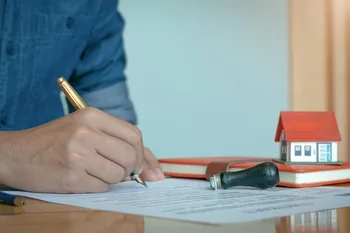
Legal aspects that ensure the protection of your new home
Legal Aspects, Notaries
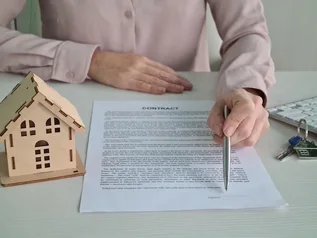
Legal aspects that ensure your peace of mind when signing a purchase contract

Legal Aspects, Notaries
Legal aspects that ensure clarity in your home purchase.

Legal Aspects, Notaries
Legal aspects that protect your home purchase in Costa Rica
Most viewed in Legal Aspects

Legal Aspects, Deeds
Legal consequences of errors in the drafting of deeds

Legal Aspects, Deeds
Implications of the lack of signature on legal documents

Legal Aspects, Deeds
Importance of writing in the protection of property rights
Legal Aspects, Deeds
The impact of typographical errors in legal writings.