Legal aspects that guarantee a safe home purchase

The purchase of a home is one of the most important decisions in anyone's life. However, for this transaction to be truly secure, it is essential to understand the legal aspects involved in the process. In this article, we will explore how notaries play a crucial role in ensuring a safe home purchase, protecting your rights and ensuring that each step is conducted according to the law. Understanding these aspects will allow you to make informed decisions and avoid unpleasant surprises.
The purchase of a home is one of the most important decisions in anyone's life. Therefore, understanding the legal aspects that ensure a secure purchase is essential to avoid unpleasant surprises. In this article, we will explore the contracts involved in the process of acquiring real estate in Costa Rica, ensuring that your investment is protected and that each clause works in your favor. Get ready to acquire your home with confidence!
1. Importance of the promise of sale contract
The importance of notarized documentation in the purchase of a home
The notarized deed is an essential step in the process of purchasing a home, as it provides formality and legality to the transaction. This document, prepared by a notary, certifies the transfer of ownership between the seller and the buyer, ensuring that both parties meet the established legal requirements. With a notarized deed, you protect yourself against future disputes regarding the property, as it serves as conclusive evidence of your right to the acquired property. Without this deed, you could face legal issues that compromise your investment and peace of mind.
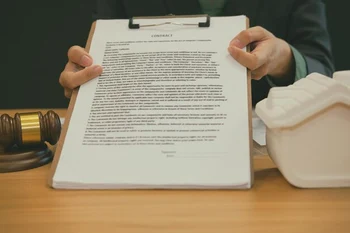
The importance of the promise of sale contract lies in its function as a formal agreement between the parties involved, which establishes the terms and conditions for the future transaction of a property. This document not only delineates the obligations and rights of each party but also provides a legal framework that ensures compliance with the agreement. In a process as significant as purchasing a home, having this contract is essential to protect the investment and ensure that both parties are aligned on crucial aspects such as price, deadlines, and specific conditions.
Moreover, the purchase-sale promise contract serves as a fundamental tool to prevent conflicts and misunderstandings in the future. By detailing aspects such as penalties for breach or clauses related to the delivery of the property, this document provides a clear roadmap that can be referenced in case of disagreements. In this way, it not only fosters trust between buyer and seller but also lays the groundwork for a transparent and secure transaction. Having this contract well drafted is key to avoiding unpleasant surprises that could affect your long-term investment.
In addition to validating the transfer of rights over the property, the notarial deed ensures that all the conditions agreed upon by the parties are properly reflected in the document. The notary is responsible for verifying the identity of those involved, as well as the legal status of the property, ensuring that there are no charges or liens that could affect your acquisition. This preventive process not only provides security to the buyer but also to the seller, creating a reliable and transparent environment for both parties. Thus, having a notarial deed becomes a fundamental pillar to ensure a safe and smooth purchase.
2. How to verify the legality of a property before buying
2. Essential elements of the sales contract
The essential elements of the sales contract are fundamental to ensure that the transaction is carried out safely and effectively. First, it is crucial that the contract includes the clear identification of the parties involved: the seller and the buyer. This identification must contain information such as full names, identification numbers, and addresses, as any ambiguity in this aspect can lead to legal issues in the future. Additionally, it is essential to specify the detailed description of the property being sold, including physical characteristics, exact location, and boundaries; this ensures that both parties have a clear understanding of what is being purchased.
Before purchasing a property, it is essential to verify its legality to avoid future problems. To do this, start by reviewing the title deed, which must be properly registered in the corresponding public registry. This will allow you to ensure that the person selling the house actually has the right to do so and that there are no encumbrances or liens on the property. Additionally, it is advisable to request a certificate of freedom from encumbrance, which will provide you with information about possible mortgages or debts associated with the house.
Another crucial step in this process is to investigate whether the property has the necessary permits and licenses for its construction and operation. This includes verifying that there has been appropriate land use according to local regulations and that all buildings have been authorized by the competent authorities. Additionally, consulting with a lawyer specializing in real estate can be a good option to ensure that all documents are in order and that you do not face unpleasant surprises after completing the purchase. This type of due diligence not only protects your investment but also ensures a more transparent and reliable transaction.
Another key element is the agreed price and payment terms. It is essential to establish a precise amount along with acceptable payment methods, whether through bank financing or cash payments. Additionally, the contract must include clauses regarding deadlines for the fulfillment of obligations by both the seller and the buyer, as well as potential penalties for non-compliance. Finally, no less important is the inclusion of a clause that establishes the conditions under which the delivery of the property will take place and any guarantees associated with its physical condition. These elements create a solid foundation that protects both the buyer and the seller throughout the entire sales process.
3. Clauses that cannot be missing in a real estate contract
3. Roles and responsibilities of the notary in the real estate transaction
In a real estate transaction, the notary acts as an impartial intermediary who guarantees the legality and transparency of the process. Among their main roles is the verification of the identity of the parties involved, as well as the thorough review of the documents that support the transaction. This includes the examination of the deed of property, the certificates of freedom from liens, and other legal documents necessary to ensure that the seller has full rights over the property and that there are no burdens or limitations that may affect the buyer. In this way, the notary ensures that both parties are legally protected.
When formalizing the purchase of a home, it is crucial that the real estate contract includes certain clauses that protect both the buyer and the seller. One of the most important is the payment clause, which specifies the amounts to be paid, the dates, and the payment methods. This clause not only establishes a clear commitment between the parties but also prevents future conflicts related to payments or the established deadlines. Additionally, including a penalty clause for non-compliance can serve as an incentive for both parties to fulfill the agreement.
Another essential clause is related to the condition of the property. It is crucial that the contract details the current state of the property, including any known defects or necessary repairs. This will protect the buyer from any later surprises and ensure that the seller is responsible for any irregularities declared at the time of sale. Finally, there should be a clause regarding the delivery of the property, specifying the conditions under which this action will take place and what will happen in case of any delays. These clauses are key to ensuring a transparent and fair transaction, providing peace of mind throughout the purchasing process.
In addition, the notary has the responsibility of public certification of the legal act being carried out. This involves formalizing the deed of sale and ensuring that all the terms agreed upon by the parties are clearly reflected in the document. Once the deed is signed, the notary is also responsible for its registration in the Public Registry, which is crucial for providing legal security to the new owner. Thanks to these functions, notaries not only facilitate a secure purchase but also provide confidence to the parties involved by knowing that their transaction is backed by a competent professional recognized by law.
4. Types of contracts used in the purchase of real estate
4. Legal review: why is it crucial?
Legal review is an essential component in the home buying process, as it ensures that all aspects related to the property are in order. This step involves not only verifying the ownership of the property but also ensuring that there are no liens, encumbrances, or legal issues associated that could affect your future investment. A thorough analysis of the relevant documentation allows you to identify hidden risks and make informed decisions before closing any deal. In this sense, having the support of a lawyer specialized in real estate can be a great advantage to protect your interests.
When acquiring a property, it is essential to become familiar with the various types of contracts used in real estate purchases. Among them, the most common is the purchase agreement, which establishes the conditions under which the transaction will take place. This document details the agreed-upon price, the description of the property, and the obligations of both the buyer and the seller. It is crucial that this contract is drafted clearly and precisely to avoid future misunderstandings, thus ensuring that both parties fulfill what has been agreed upon.
Another relevant type of contract is the purchase option contract, which gives the buyer the possibility of acquiring the property within a specified period at an established price. This type of agreement can be beneficial for those who want to secure a property while exploring additional options or seeking financing. Finally, the lease contract can also play an important role if you decide to rent before buying; in this case, it is essential to review the clauses related to the duration of the lease and the conditions for a potential future purchase. Understanding these contracts will allow you to navigate the acquisition process with confidence and protect your rights as an owner.
Additionally, conducting a thorough legal review gives you the opportunity to better understand the contracts involved in the transaction. This includes the purchase agreement, where each clause must be clear and reflect what has been agreed upon by the parties. An adequate review ensures that there are no unpleasant surprises after the contract is signed; for example, hidden conditions regarding the property's condition or third-party rights over the property. By addressing these elements from the beginning of the process, you can ensure a successful and smooth closing, turning what could be a stressful experience into a step toward your new home full of possibilities.
5. Consequences of a poorly drafted contract
5. Procedures to obtain a registry report
To obtain a registry report that supports your home purchase, it is essential to follow a series of procedures that will allow you to access crucial information about the property. The first step is to go to the Property Registry corresponding to the location of the property. There, you must submit a formal request that includes details such as the address of the property and the name of the current owner. This report is vital, as it reveals whether there are any encumbrances, liens, or limitations on the property, as well as its ownership history. The transparency provided by this document is essential to ensure that you are acquiring a property free of legal issues.
A poorly drafted contract can lead to serious consequences that can jeopardize not only the investment made but also the buyer's peace of mind. Among the most common problems are ambiguities in the clauses, which can lead to misunderstandings and conflicts between the parties. For example, if the payment terms, delivery schedule, or even the rights to potential improvements are not clearly specified, it is likely that legal disputes will arise that could last for months or even years. This not only implies emotional and financial strain but could also result in the loss of the property or unexpected additional expenses.
Furthermore, a deficient contract can leave the buyer unprotected against potential claims from third parties or unexpected situations related to the property. For example, if the conditions regarding the legal status of the property or existing liens have not been adequately included, the new owner could face legal problems they did not anticipate. Ultimately, a secure purchase depends on a well-structured contract reviewed by competent professionals; investing time and resources in ensuring its proper drafting is essential to avoid negative long-term consequences. Clarity and precision are your best allies to protect your home and your investment.
Once the information is requested, the registry will conduct a thorough search of its files to compile all documentation related to the property in question. This process can take anywhere from a few days to several weeks, depending on the workload of the registry and the specifics of the case. Upon receiving the registration report, it is important to review it carefully and, if necessary, consult with a lawyer specializing in real estate law to properly interpret any relevant details. This way, you can make informed decisions and minimize the risks associated with your future acquisition; remember that knowledge is your best ally on the path to a secure purchase.
6. Tax implications when acquiring a property: what you need to know
6. Rights and obligations of the buyer and seller
The rights and obligations of the buyer and seller are fundamental to ensuring a fair and transparent transaction in the acquisition of a property. The buyer has the right to receive truthful information about the property, including its legal and physical status and any encumbrances that may affect its value. Additionally, the buyer is obligated to comply with the terms agreed upon in the purchase contract, which includes making payments on the stipulated dates and carrying out the necessary due diligence to formalize the transfer of ownership. On the other hand, the seller has the duty to deliver the property in the agreed conditions and guarantee that there are no hidden liens that could harm the new owner.
When acquiring a property, it is essential to consider the tax implications that this transaction entails. One of the most relevant aspects is the payment of the Transfer Tax (ITP) or, in some cases, VAT, depending on whether the property is new or second-hand. This tax can vary significantly by region and should be taken into account when calculating the total cost of the purchase. Additionally, it is advisable to inquire about possible tax deductions that may apply to your particular situation, such as those for the acquisition of a primary residence or for investments in energy efficiency.
Another crucial aspect to keep in mind is the tax obligations after the purchase. Once the property is acquired, the owner must comply with the payment of the Property Tax (IBI), as well as be aware of any local fees related to public services or community maintenance. Ignoring these responsibilities can lead to penalties or surcharges that negatively impact your budget. Therefore, having appropriate tax advice can help you not only understand your obligations but also optimize your tax burden and ensure that you are complying with all current regulations related to your new property.
It is also essential for both parties to understand their legal responsibilities in case of non-compliance. The seller must be transparent about any legal or structural issues with the property; if relevant details are omitted, they could face significant legal consequences. For their part, the buyer must ensure that they conduct all necessary checks before finalizing the deal, as neglecting this aspect could lead to financial losses or future complications. Knowing these rights and obligations not only protects your investment but also fosters a trusting environment between both parties throughout the purchasing process.
7. Public registry: its role in legal security
7. What to do if you find irregularities in the documentation?
If upon reviewing the documentation of the property in question you find irregularities, it is crucial to address the situation seriously and quickly. These inconsistencies can range from errors in the titles of property to discrepancies in the registered encumbrances or liens. The first thing you should do is gather all relevant information and, if necessary, seek specialized legal advice. A lawyer who focuses on real estate law can help you understand the implications of these irregularities and determine the steps to take to protect your interests. Once you have assessed the situation, consider contacting the seller to discuss the irregularities found. In many cases, it may be possible to resolve the issue directly, either by correcting the documentation or providing additional evidence that supports its legitimacy. If you cannot reach a satisfactory agreement, you may choose to withdraw from the purchase or even consider legal action if you believe you have been a victim of fraud. Remember that having the support of industry professionals will help you navigate these challenges and ensure a safe and transparent purchase.
The public registry plays a crucial role in the legal security of purchasing a home. This agency is responsible for maintaining a thorough record of the property, ensuring that the rights over the asset are properly documented and accessible to any interested party. By registering a property, future conflicts are prevented, as it officially establishes who the legitimate owner of the asset is. Thus, by verifying the registration status of a home before buying it, you can ensure that there are no hidden liens or mortgages that could affect your investment.
Additionally, the public registry provides transparency in real estate transactions by offering verified information about properties. This includes data regarding legal backgrounds, such as lawsuits or liens related to the property. Having this information allows you to make informed decisions and significantly reduces the risks associated with the purchase. In summary, consulting the public registry not only strengthens your confidence in the transaction but also serves as a preventive tool to ensure that your new home is truly yours and free from future legal complications.
It is essential to remember that any irregularity detected should not be taken lightly; your investment is at stake, and you deserve to have clarity on the legal status of the property before proceeding with any transaction. Due diligence at this stage not only protects you financially but also ensures a smoother and more satisfying experience on your path to becoming a property owner.
8. Tips for choosing a reliable and competent notary
8. Steps to resolve contractual conflicts in real estate transactions
Resolving contractual disputes in real estate transactions can be a complicated process, but with the right steps, it can be carried out effectively. The first step is to carefully review the original contract to understand the clauses that may be causing the conflict. It is crucial to identify if there is any non-compliance by one of the parties and to determine if there are specific terms that address the situation in question. A thorough review provides clarity on the rights and obligations of each party involved in the transaction.
When choosing a reliable and competent notary, it is essential to conduct thorough research. Start by asking for recommendations from friends, family, or colleagues who have gone through the home buying process. The opinions of trusted individuals can provide you with valuable insights into the quality of service and professionalism of the notary. Additionally, do not hesitate to check online reviews and verify if the notary is properly registered with the corresponding notary college or association, which guarantees their training and professional ethics. Once you have a list of potential notaries, it is advisable to schedule interviews to get to know them better. During these meetings, ask questions about their experience in real estate transactions and their approach to clients. A good notary should be able to clearly explain the legal procedures involved in purchasing your home and address all your concerns. Don't forget to evaluate their availability and willingness to assist you throughout the process; an accessible notary can make a significant difference in the peace of mind you feel when making this important investment.
Once the content of the contract is clear, it is advisable to attempt an amicable resolution through direct communication with the other party. Many times, a simple dialogue can clarify misunderstandings and facilitate a mutual agreement without the need to escalate the conflict to legal instances. However, if a consensus is not reached, the next step would be to seek specialized legal advice in real estate. An experienced lawyer can offer alternatives such as mediation or even the possibility of bringing the case to court, if necessary. The key is to act quickly and always document all interactions related to the conflict to have solid backing in case legal actions are required later.
Most viewed articles in the category Legal Aspects

Legal implications of confidentiality clauses in contracts
Discover the legal implications of confidentiality clauses in contracts and how they affect your business. Protect your valuable information today..
Legal consequences of force majeure clauses in contracts
Discover the legal implications of force majeure clauses in contracts and how they can affect your rights and obligations..

Legal consequences of errors in the drafting of deeds
Discover the serious legal consequences that can arise from errors in drafting deeds and how to avoid them to protect your interests..

Consequences of the lack of formality in legal contracts
Discover the serious consequences of not formalizing legal contracts. Protect your interests and avoid conflicts with this essential guide..