Legal aspects that guarantee your investment in real estate

Buying real estate is one of the most important financial decisions you can make, and ensuring your investment requires understanding the legal aspects that support it. In this article, we will explore how notaries in Costa Rica play a crucial role in protecting your rights as a buyer. From document validation to property registration, understanding these elements will allow you to navigate confidently in the exciting real estate world. Join us to discover how to secure your investment and avoid unpleasant surprises.
1. The importance of public writing in real estate
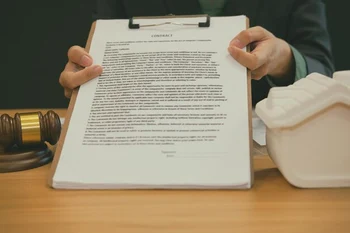
The public deed is an essential element in the process of purchasing real estate, as it provides strong legal evidence that supports the transaction. By formalizing the purchase through this document, it ensures that all parties involved have agreed to the terms and conditions of the deal, which is crucial to avoid future disputes. Furthermore, the public deed includes critical details such as the identification of the parties, the description of the property, and the agreed price, making it an indispensable legal support in any real estate operation.
Another relevant aspect of the public deed is its function as an instrument to protect the rights of the buyer. As a notarized document, it has a presumption of truthfulness and can be used before any competent authority in case of disagreements or conflicts. This means that, by having a properly registered public deed, the new owner can exercise their rights over the acquired property without fear of future claims. In summary, understanding the importance of this type of document not only provides peace of mind to the investor but also establishes a robust legal framework that safeguards their long-term investment.
2. Role of the notary in the purchasing process
The role of the notary in the real estate purchase process is essential to ensure that each transaction is conducted in accordance with the law. From the beginning, the notary is responsible for reviewing all documentation related to the property, ensuring that there are no liens or legal issues that could affect your investment. This includes verifying the title of ownership, as well as other relevant documents such as cadastral and tax certifications. This meticulous scrutiny provides an additional layer of security, protecting the buyer from potential fraud or inconveniences.
Once all the documentation has been validated and both parties have agreed on the terms of the sale, the notary has the duty to formalize the contract by drafting a public deed. This act not only gives legal validity to the transaction but also allows for the official registration of the property in the name of the new owner in the National Registry. Additionally, the notary can advise on the rights and obligations that come with property ownership, providing additional support to ensure that your investment is protected in the long term. With this professional and objective intervention, you can have peace of mind when making such a significant purchase as real estate.
3. Verification of liens and encumbrances on the property
The verification of liens and encumbrances on the property is a fundamental step in the real estate purchasing process. Before formalizing any transaction, it is essential to ensure that the property is not subject to mortgages, seizures, or other legal limitations that may affect your investment. This involves consulting the National Registry and obtaining an updated certification that details the legal status of the property. A lien can limit your rights as an owner and, in some cases, even jeopardize your assets, so this review must be an unavoidable priority.
In addition to taxes, it is important to identify any additional encumbrances that may exist on the property, such as easements or third-party rights. These encumbrances can influence not only the use of the property but also its long-term value. For example, if there is an easement granting access to a neighbor over your land, this could impact your future plans for the property. By working with a notary or a real estate attorney, you can obtain all the necessary information to make informed decisions and avoid later legal complications. Ensuring that the property is free of encumbrances gives you peace of mind and strengthens the security of your investment.
4. The role of the notary as a legal guarantor
The role of the notary is fundamental in the real estate sector, as their function as a legal guarantor provides an additional layer of security for buyers. Being a legal professional, the notary has the responsibility to verify the authenticity and validity of all documents involved in the transaction. This includes not only the property title but also other essential documents such as certifications of existing liens or mortgages, and any limitations that may affect the property. In this way, it ensures that the buyer is fully informed about the legal situation of the property before making any investment.
Additionally, the notary plays a crucial role in formalizing the purchase and sale contract. Once both parties have agreed on the terms and conditions, the notary supervises the drafting and signing of the document, ensuring that it complies with all current legal regulations. Their intervention helps to prevent future conflicts between the parties involved by clearly establishing each one's rights and obligations. Finally, once the transaction is completed, the notary is responsible for registering the property with the National Registry, which is vital to ensure that your investment is properly protected and recognized by the competent authorities.
5. Necessary documentation to formalize a purchase
To formalize a real estate purchase, it is essential to have the proper documentation that not only validates the transaction but also protects your rights as a buyer. Key documents include the property title, which certifies the seller's legal ownership of the property; and the certificate of liens, which verifies if there are any debts or encumbrances on the property. Additionally, it is advisable to obtain an updated registry report to confirm that there are no legal issues associated with the asset. These documents are crucial to avoid unpleasant surprises in the future and ensure a secure purchase.
Another important aspect is the drafting of the purchase agreement, where all the terms and conditions agreed upon by the parties involved must be stipulated. This document should include detailed information about the price, payment methods, and any additional conditions agreed upon by both parties. Signing before a public notary is essential to validate this contract, as it provides legal backing and prevents future conflicts. Ensuring that all this documentation is in order will allow you to make an informed and secure investment in the real estate market.
6. How to choose a reliable notary
When choosing a reliable notary, it is essential to consider their experience and reputation in the real estate field. A good starting point is to research the notary's background by reviewing their credentials and years of service in the industry. Recommendations from friends, family, or colleagues who have had positive experiences with a notary can be invaluable. Additionally, many professional associations provide listings of accredited notaries, which can facilitate your search for a qualified and respected professional in the field. Another key to selecting a reliable notary is to assess their communication and willingness to answer your questions. A committed notary should be available to explain all the documents involved in the transaction and ensure that you understand each step of the process. Transparency in their fees and clarity about the services they will provide are equally important; this will ensure that there are no surprises during the legal management of your investment. Taking the necessary time to properly choose your notary will not only provide you with peace of mind but also greater assurance in the success of your real estate purchase.
7. The national registry and its relevance to your investment
The national registry is an essential component in real estate purchases, as it provides a fundamental layer of protection for buyers. By registering the property in your name, you not only secure your right to own it but also protect your investment from potential future claims. This process formalizes the transaction and offers legal backing that can be vital in case of disputes regarding the property. Without proper registration, you could encounter unforeseen issues that jeopardize your investment, such as problems related to inheritances or financial encumbrances associated with the property.
Additionally, the national registry acts as a public database where legal backgrounds of a property can be verified. This includes information on liens, mortgages, and other real rights that could affect your acquisition. Consulting this information is crucial before closing any deal, as it will allow you to make informed decisions and avoid unpleasant surprises after the purchase. In summary, understanding how the national registry works and its importance in the buying process will empower you to make a secure and solid investment in the real estate market.
8. Legal consequences of not following the proper procedure
Failing to follow the proper process when investing in real estate can lead to serious legal consequences that could jeopardize your investment. From the lack of property registration to the omission of document validation, every careless step can open the door to legal disputes and claims from third parties. This can not only result in financial loss but also a prolonged legal process that consumes time and resources, affecting your peace of mind and financial security. The importance of complying with all regulations and procedures established by law cannot be underestimated; it is essential to protect your rights as a property owner.
Additionally, the legal implications can extend beyond the financial realm. In some cases, you may face penalties or fines imposed by government authorities if it is determined that the proper protocols were not followed during the purchase. The lack of legal or notarial advice could lead you to acquire properties with hidden issues, such as liens or property disputes, which could further complicate your situation. Therefore, it is essential to have the appropriate support from the beginning of the process to ensure a safe investment and avoid unpleasant surprises that could compromise your long-term interests.
Most viewed articles in the category Legal Aspects

Legal implications of confidentiality clauses in contracts
Discover the legal implications of confidentiality clauses in contracts and how they affect your business. Protect your valuable information today..
Legal consequences of force majeure clauses in contracts
Discover the legal implications of force majeure clauses in contracts and how they can affect your rights and obligations..

Legal consequences of errors in the drafting of deeds
Discover the serious legal consequences that can arise from errors in drafting deeds and how to avoid them to protect your interests..

Consequences of the lack of formality in legal contracts
Discover the serious consequences of not formalizing legal contracts. Protect your interests and avoid conflicts with this essential guide..