
Legal guide to avoid mistakes when buying your home
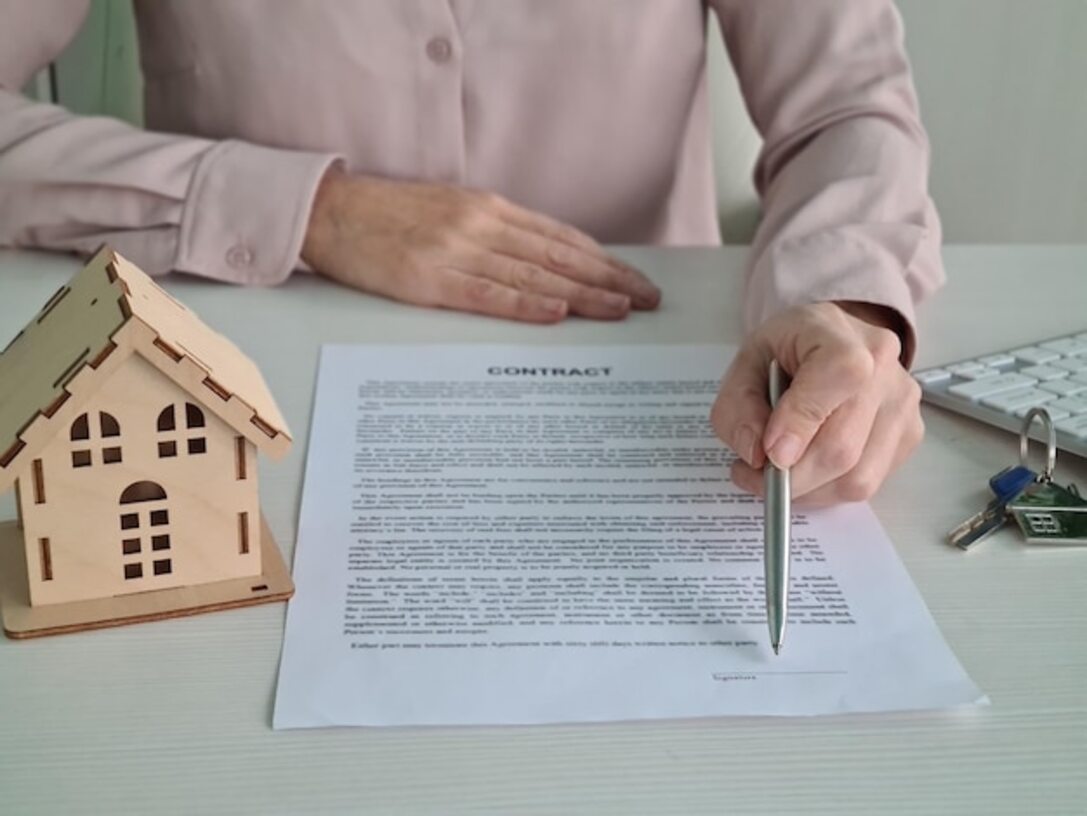
The purchase of a home is one of the most important decisions in anyone's life, and avoiding legal mistakes can save you time, money, and future problems. In this legal guide, we will provide you with essential tips to navigate the process of acquiring your property in Costa Rica. From the importance of having a suitable notary to the essential documents you should review, here you will find all the necessary information to make a safe and successful purchase.
The importance of notary services in the purchase of real estate
The importance of notary services in real estate transactions is fundamental to ensure that the process is carried out legally and transparently. In many countries, including Costa Rica, a notary is an authorized professional who acts as an impartial intermediary in real estate transactions. Their main role is to verify the authenticity of documents and ensure that all parties involved comply with current legal regulations. This not only protects your interests as a buyer but also provides legal security to the seller and any other parties interested in the property.
Additionally, the notary has the responsibility of drafting and formalizing the purchase contract, ensuring that all agreed terms are accurately reflected. They are also in charge of carrying out the necessary registrations in the National Registry, which is crucial to avoid future disputes regarding the ownership of the property. Without proper notarization, you could jeopardize your investment and face unexpected legal complications. Therefore, choosing an experienced and trustworthy notary is one of the most important steps you can take to protect yourself during the purchase of your home.
Advertisements
Essential documents you must review before signing
Before signing any contract related to the purchase of your home, it is crucial to review a series of documents that will ensure the legality and security of the transaction. First, make sure to have the title deed on hand, which must be duly registered in the National Registry. This document not only proves who the legitimate owner of the property is but also reveals if there are any liens or encumbrances on the property that may affect your investment. Additionally, it is essential to request a certificate of freedom from encumbrances to ensure that there are no mortgages or other legal restrictions that could compromise your rights over the property.
Another essential document is the purchase agreement, where all the conditions agreed upon between the buyer and the seller are specified. This contract must include details such as the price, the method of payment, and the deadlines for fulfilling each obligation. It is also advisable to verify the cadastral plans and municipal permits of the property to confirm that everything is in order according to local regulations. Do not underestimate the importance of these documents: taking the necessary time to review them thoroughly can prevent unpleasant surprises in the future and will protect your investment in this significant step towards becoming a property owner.
How to choose the right notary for your transaction
Choosing the right notary is a crucial step in the process of buying your home. An experienced notary not only ensures that all documents are in order, but can also provide advice on legal and tax aspects that may arise during the transaction. To find the right notary, consider seeking recommendations from friends, family, or reputable real estate agents. Additionally, check their experience in transactions similar to yours and make sure they are properly accredited and registered with the relevant authorities.
Once you have a list of potential notaries, don't hesitate to schedule initial meetings to discuss your specific needs and assess their level of professionalism and customer service. Ask about their fees and make sure you clearly understand the services included in the cost. Communication is key; a good notary should be accessible and willing to clarify any questions you may have about the legal process involved in purchasing your property. By taking the necessary time to carefully choose your notary, you will ensure a smoother and safer transaction.
Common mistakes when buying properties and how to avoid them
When buying a property, many buyers make mistakes that can be costly in the long run. One of the most common is the lack of research on the legal status of the property. It is essential to verify whether the property has encumbrances, liens, or any type of limitation that may affect its use and enjoyment. To avoid this mistake, we recommend requesting a registration report from the Registro Nacional and working with a lawyer specialized in real estate, who can help you interpret the documents and ensure that the purchase is secure.
Another recurring mistake is not considering all the costs associated with buying a property. Many people only think about the sale price, but there are additional expenses such as taxes, notary fees, and utility costs that should be included in your budget. Before making an offer, make sure to have a clear calculation of all these costs to avoid unpleasant surprises in the future. A financial advisor or a reliable real estate agent can provide you with accurate estimates and help you plan your investment properly.
The role of the national registry in buying your home
The national registry plays a crucial role in the purchase of your home, as it is the entity responsible for ensuring the legal security of real estate transactions. By registering the property, it is officially established who the owner is, and the parties involved are protected against potential claims or disputes. Therefore, it is essential to verify that the property you wish to acquire is properly registered and free of liens, encumbrances, or attachments that may affect your future investment. A thorough check in the registry will allow you to have clarity about the legal status of the property and avoid unpleasant surprises.
Additionally, the national registry also provides valuable information about the property's background. This includes data on previous transactions, modifications to the deed, and any relevant annotations that may influence your purchasing decision. Having this information will allow you to conduct a more comprehensive evaluation of the property and ensure that there are no pending legal issues that could compromise your acquisition. In summary, taking the necessary time to consult the national registry can make the difference between a successful purchase and a potential source of future complications.
Important clauses that should not be missing in your contract
When drafting a purchase and sale agreement for a home, it is essential to include clauses that protect both the buyer and the seller. Among the most important are a detailed description of the property, which must include measurements, boundaries, and any relevant features of the property. It is also crucial to include a clause regarding the agreed price and payment methods, specifying whether there will be financing or installment payments. Additionally, a clause that defines the conditions under which the keys will be delivered and the date on which the transaction will be formalized must be included. Another crucial aspect is the inclusion of clauses related to contingencies, such as the possibility of withdrawing from the contract under certain circumstances, for example, if the buyer does not obtain financing or if legal issues arise with the property title. It is also advisable to add a clause on dispute resolution that establishes the process to follow in case of disagreements between the parties. These provisions will help minimize risks and ensure a smoother experience throughout the entire purchasing process.
Legal procedures after the contract is signed
Once you have signed the purchase contract for your home, it is crucial to follow certain legal procedures to ensure that the transaction is completed smoothly. First, make sure that the notary properly registers the property in the National Registry. This step is essential, as it provides legal security for your acquisition and protects you against potential claims from third parties. Without this registration, you could face legal issues that could jeopardize your investment and your rights as an owner.
It is also advisable to check the property's background and ensure that there are no liens or encumbrances that could affect your ownership in the future. This includes reviewing any existing mortgages or legal disputes related to the land. It is also important to comply with the tax requirements associated with the purchase, such as paying the property transfer tax. Following these procedures will not only provide you with peace of mind but will also allow you to fully enjoy your new home without legal concerns that may arise later.
Final tips to ensure a hassle-free purchase
To ensure a hassle-free purchase, it is essential to conduct thorough research on the property and its history. Before signing any contract, verify that there are no liens or encumbrances on the property that could affect your investment. It is also advisable to consult with experts in real estate law and experienced real estate agents in the area, who can provide you with valuable information about the legal status of the home you wish to acquire. Do not hesitate to ask for references and check the reputation of the professionals involved in the process.
Another important measure is to carefully read each clause of the purchase agreement before signing it. Take the necessary time to understand all the terms and conditions, as well as the legal implications they may have. If any aspect raises questions for you, seek clarifications and do not hesitate to request modifications if you feel something is unclear or unfavorable to you. Finally, make sure to have an adequate insurance policy to protect your new property against potential future risks; this will give you peace of mind and security after making such a significant investment.
Advertisements
More in Notaries
Legal Aspects, Notaries
Legal aspects that ensure the protection of your new home
Legal Aspects, Notaries
Legal aspects that ensure your peace of mind when signing a purchase contract

Legal Aspects, Notaries
Legal aspects that ensure clarity in your home purchase.

Legal Aspects, Notaries
Legal aspects that protect your home purchase in Costa Rica
Most viewed in Legal Aspects

Legal Aspects, Deeds
Legal consequences of errors in the drafting of deeds

Legal Aspects, Deeds
Implications of the lack of signature on legal documents

Legal Aspects, Deeds
Importance of writing in the protection of property rights
Legal Aspects, Deeds
The impact of typographical errors in legal writings.