Guide to Understanding Contracts in Property Purchase

In the exciting world of property buying, understanding contracts is essential to ensure a successful and surprise-free transaction. This guide will provide you with the necessary tools to decipher legal terms and protect your real estate investment. With a special focus on property registration in Costa Rica, you will learn to navigate this process with confidence and clarity. Whether you are a first-time buyer or an experienced investor, mastering these legal aspects will make a difference in your real estate experience.
1. What is a sales contract and its importance?
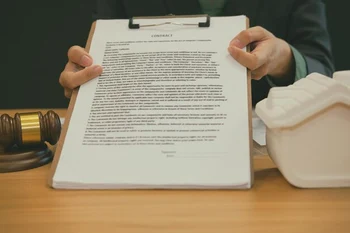
A sales contract is a legally binding agreement between the seller and the buyer, which establishes the conditions under which a property transaction will take place. This document details crucial aspects such as the price, payment method, the obligations of both parties, and any specific clauses that may affect the purchase. The importance of this contract lies in the fact that it not only formalizes the commitment between the parties but also provides a legal framework for resolving future disputes and protects the rights and interests of each party involved in the transaction. Additionally, having a well-drafted sales contract is essential to prevent potential problems during the acquisition process. Without a clear agreement, buyers may face unpleasant surprises such as hidden charges or breaches by the seller. By clearly establishing the terms and conditions from the outset, the risks associated with purchasing properties are minimized, contributing to a smoother and safer experience in such a significant investment. Therefore, understanding its content and meaning is vital for anyone interested in acquiring real estate.
2. Essential clauses that you cannot ignore
When approaching the purchase of a property, certain clauses in the contract are essential and should not be overlooked. Among them is the contingency clause, which protects the buyer if unexpected issues arise during the purchasing process. For example, if it is found that the property has structural defects or if the buyer's financing is not approved, this clause allows for the cancellation of the contract without penalties. Ensuring that these contingencies are clearly defined will provide you with greater security and peace of mind during the transaction.
Another crucial aspect is the closing clause, which specifies the conditions under which the official transfer of the title of property will take place. This section must detail all the necessary requirements to complete the sale, including deadlines and any additional documents that may be required. Clarity in this clause will prevent misunderstandings and ensure that both the buyer and the seller are clear about what they need to fulfill before finalizing the transaction. Understanding these essential elements will not only protect you legally but also facilitate a smoother process in your real estate experience.
3. The role of the notary in property purchases
The notary plays a crucial role in the property buying process, acting as an impartial intermediary that ensures the legality and validity of the transaction. Their main function is to certify the signatures on the purchase contract, providing security to both the buyer and the seller. Additionally, the notary is responsible for verifying that all necessary documents are in order, including the ownership of the property and the absence of encumbrances or charges on it. This thorough review helps to avoid future legal conflicts and ensures that the buyer is acquiring a property free of issues.
Another fundamental aspect of notary public work is their responsibility in the preparation and granting of the public deed. This document not only formalizes the transfer of property but is also registered in the corresponding public registry, thereby providing legal protection to the new owner. Without this registration, the buyer could face significant risks in case of disputes over the ownership of the property. In summary, having a competent notary not only simplifies the purchasing process but also provides peace of mind knowing that all necessary legal regulations are being followed to ensure a safe and solid investment in real estate.
4. Property registration: Why is it vital?
The property registration is one of the most crucial stages in the real estate purchase process, as it guarantees the legal security of the acquired property. By registering the property in your name, you not only obtain a clear and legitimate title, but you also protect your rights as an owner against potential disputes or claims. This process ensures that there are no liens, mortgages, or hidden charges on the property, thus providing invaluable peace of mind for your investment. Without proper registration, you risk losing your property or facing legal complications that could destabilize your financial situation.
Additionally, property registration is vital for establishing a clear history that can be beneficial in future transactions. A properly registered property facilitates its sale or rental in the future by providing confidence to both potential buyers and tenants. The transparency offered by a formal register helps to build strong business relationships and minimizes the risks associated with real estate fraud. In summary, investing time in understanding and properly carrying out this procedure will allow you to fully enjoy the benefits of owning a property without the additional concerns that can arise from poor legal handling.
5. Common mistakes when signing real estate contracts
When signing real estate contracts, it is common for buyers to make mistakes that can have long-term consequences. One of the most frequent mistakes is not reading the contract in its entirety before signing it. This can lead to misunderstandings about the terms of the sale, such as the final price, closing dates, or responsibilities regarding repairs and maintenance. It is essential to take the time to review each clause and, if necessary, consult with a lawyer specialized in real estate to clarify any doubts. Ignoring this step can result in unwanted surprises that affect both the initial investment and overall satisfaction with the acquired property. Another common mistake is not adequately verifying the seller's information and the property's details before proceeding with the signing. Some buyers assume that all information provided by the real estate agent or the seller is truthful without conducting their own inquiries. This includes verifying property titles, existing liens, and the legal conditions of the property. Ensuring that everything is in order not only provides peace of mind to the buyer but also prevents future legal issues that could arise from undetected irregularities during the purchasing process. Taking these preventive steps can be crucial to ensuring a smooth and successful transaction.
6. Rights and obligations of the buyer and seller
The rights and obligations of the buyer and seller are fundamental in the purchase of properties, as they establish the basis for a fair and transparent transaction. The buyer has the right to receive complete information about the property, including its legal and physical status, as well as any encumbrances that may affect its value. Likewise, the buyer has the obligation to make an agreed payment within the timeframe stipulated in the contract. On the other hand, the seller must ensure that the property is free of liens or legal issues before the sale, as well as provide all necessary documentation to facilitate the transfer process. It is essential for both parties to understand their responsibilities to avoid misunderstandings and subsequent conflicts.
It is also important to highlight that both parties have the responsibility to act in good faith throughout the process. This means that both the buyer and the seller must communicate openly about any issues or concerns related to the property. A lack of transparency can lead to costly and prolonged legal disputes. It is also advisable to seek legal advice during the transaction; this not only helps protect the rights and interests of each party but also ensures compliance with all local regulations related to property registration in Costa Rica. In summary, knowing and understanding rights and obligations is key to safeguarding a successful real estate experience.
7. Legal process after signing the contract: steps to follow
Once you have signed the purchase contract, the legal process begins to take shape and it is crucial to follow a series of steps to ensure that the transaction is completed properly. The first step is to conduct due diligence, which includes verifying the validity of the title, ensuring that there are no liens or debts associated with the property, and confirming that all necessary documents are in order. This process may involve consulting with a real estate attorney, who will help you interpret any complex clauses and advise you on best practices to protect your rights as a buyer.
The next fundamental step is to proceed with the property registration. In Costa Rica, this process must be carried out at the Registro Nacional, where both the contract and the new title of property in the buyer's name will be registered. It is essential to comply with all the required legal formalities, as this is the only way to guarantee your right to the acquired property. Once the change of ownership is registered, you will receive a copy of the registered document as legal proof of your purchase. This concludes the legal process after signing the contract and positions you as the legitimate owner of the property, ready to enjoy or invest in your new acquisition without additional worries.
Most viewed articles in the category Legal Aspects

Legal implications of confidentiality clauses in contracts
Discover the legal implications of confidentiality clauses in contracts and how they affect your business. Protect your valuable information today..
Legal consequences of force majeure clauses in contracts
Discover the legal implications of force majeure clauses in contracts and how they can affect your rights and obligations..

Legal consequences of errors in the drafting of deeds
Discover the serious legal consequences that can arise from errors in drafting deeds and how to avoid them to protect your interests..

Consequences of the lack of formality in legal contracts
Discover the serious consequences of not formalizing legal contracts. Protect your interests and avoid conflicts with this essential guide..