
Legal Aspects to Ensure a Secure Real Estate Purchase
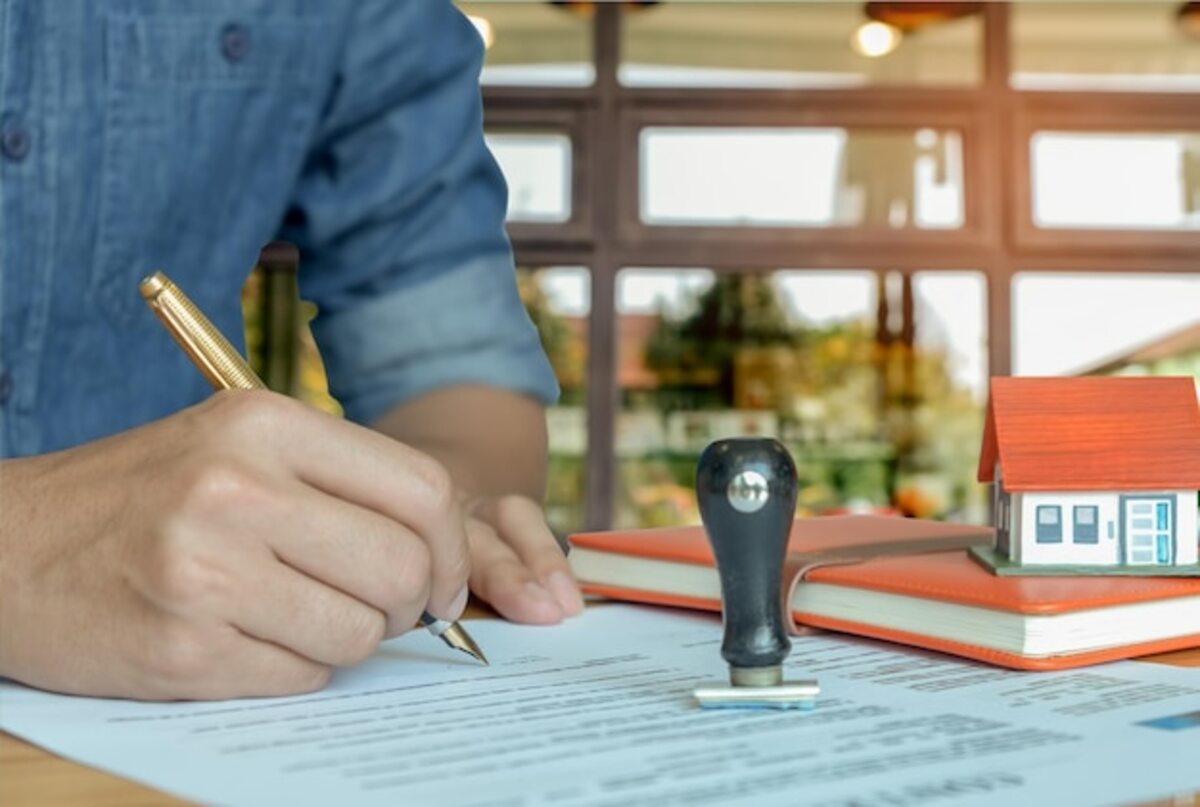
A secure real estate purchase begins with understanding the legal aspects that support it. In Costa Rica, the property registry is a fundamental pillar to protect your investment and avoid future conflicts. This article will guide you through the essential steps to ensure that your transaction is transparent and without surprises. Learn how to conduct a lien search, the importance of the property title, and other key elements that will allow you to sleep peacefully after closing the deal.
The Importance of Property Registration in Costa Rica
The importance of property registration in Costa Rica lies in its function as a legal guarantee that protects both buyers and sellers during a real estate transaction. This registration not only provides a clear and accessible history of the property but also ensures that the seller has the legal authority to transfer the property to the buyer. Without this essential step, risks increase significantly, as you could be acquiring an asset that has liens, mortgages, or even pending legal disputes. Therefore, verifying the status of the registry is crucial to avoid unpleasant surprises that may arise after the purchase.
Additionally, the property registry acts as a shield against fraud and improper claims. In a country where real estate transactions are common, having a reliable and updated database allows potential buyers to conduct thorough searches before making financial commitments. This includes checking for any encumbrances on the property or if there are others with rights to it. Essentially, the registry not only validates the legitimacy of the property title but also provides peace of mind by confirming that you are making a secure investment backed by the law.
Advertisements
How to Conduct an Effective Lien Search
Conducting an effective lien search is a crucial step in the property purchase process. This procedure involves checking for any encumbrances, mortgages, or limitations on the property that could affect your ownership rights. To carry out this search, it is essential to access the Registro Nacional de Costa Rica, where all relevant data regarding the legal status of the property is located. You can do this in person or through a specialized attorney, who will provide you with a detailed report on any lien that may be associated with the property. Remember that a thorough review can prevent unpleasant surprises and ensure that your investment is protected.
In addition to identifying potential liens, it is important to understand the nature of these rights and how they may impact your purchase. Some liens may be temporary and resolvable, while others may pose significant obstacles to the full use of the property. Therefore, when conducting the search, be sure to request complete information regarding the legal background related to the property and check for any outstanding debts associated with it. This way, you can make informed decisions and negotiate more favorable terms before closing the deal, thus ensuring a smooth real estate transaction without hidden risks.
Verification of Property Title: Key Steps
The verification of the property title is a crucial step in the real estate purchase process, as it ensures that the seller is indeed the legitimate owner of the property and that there are no liens or legal issues associated. To begin, it is essential to request an updated copy of the property title from the seller. This document must be properly registered in the Registro Nacional de Costa Rica, where you can verify the basic information about the property, including its location, dimensions, and the identity of the owner. Make sure to confirm that there are no open legal disputes or restrictions that could affect your future possession.
Once you obtain the property title, it is advisable to conduct a thorough search in the public records to identify any liens or encumbrances that may affect the property. This includes mortgages, easements, or attachments that could limit your right to freely dispose of the property. Additionally, consulting with a lawyer specialized in real estate can provide you with greater peace of mind and ensure that all documents are in order. Meticulous verification of the title not only protects your investment but also gives you the necessary security to fully enjoy your new home without future legal worries.
Rights and Obligations of the Buyer in a Real Estate Transaction
In a real estate transaction, understanding the rights and obligations of the buyer is essential to ensure a successful purchase. Among the rights that the buyer has is the right to receive clear and complete information about the property, as well as to access all relevant documents that support the legality of the transaction. This includes details about liens, mortgages, or any encumbrance that could affect the value or use of the property. Additionally, the buyer has the right to conduct a thorough review of the property title before finalizing the purchase, thereby ensuring that there are no future legal conflicts.
On the other hand, the buyer's obligations are equally important. It is essential that they comply with all the requirements set forth in the purchase agreement, including payment deadlines and specific conditions related to the transaction. Additionally, they must ensure they conduct due diligence to verify the legal and physical status of the property. This involves not only consulting the property registry but also considering aspects such as building permits or local regulations that may affect its future use. By being aware of both their rights and responsibilities, the buyer can minimize risks and protect their investment in a safe and transparent real estate environment.
Legal Aspects to Consider Before Buying a Property
Before purchasing a property, it is crucial to consider various legal aspects that may influence the security of your investment. One of the first steps is to verify that the seller is indeed the owner of the property and that there are no liens or encumbrances on the property. Reviewing the property registry will allow you to know if there are mortgages, foreclosures, or other rights that may affect your purchase. Additionally, it is advisable to request a certificate of freedom from encumbrances to ensure that there are no legal obstacles that may arise after the transaction.
Another important aspect is to review the documents related to the property, such as plans, building permits, and environmental certifications. Ensure that all modifications made to the property have the necessary permits and are properly registered. This not only guarantees that you are buying a legally constructed property but also prevents future issues with local authorities. Finally, it is always advisable to have the advice of a lawyer specialized in real estate to ensure that all contracts and clauses are favorable and protect your interests throughout the purchasing process.
Consequences of Not Properly Registering the Property
The consequences of not properly registering property can be devastating for any buyer. First, by omitting this important step, there is a risk of losing the property to third-party claims. This can include lawsuits for unpaid debts associated with the property or even disputes over its ownership. Without clear and legally recognized registration, new owners could find themselves in a complicated situation where their investment is threatened by the rights of others who may claim the property.
Failing to properly register property can lead to significant legal issues that are both costly and frustrating. Buyers may face fines or penalties from local authorities, as well as prolonged litigation that drains financial and emotional resources. The lack of proper registration can also hinder future transactions related to the property, such as its sale or refinancing, creating a vicious cycle that prevents full enjoyment of the acquired property. Therefore, it is crucial to ensure that all legal aspects are well covered to avoid complications later and secure a truly safe real estate purchase.
Contracts and Documentation Needed for a Safe Purchase
A crucial aspect to ensure a secure real estate purchase is the drafting and review of contracts, as well as the gathering of necessary documentation. The purchase agreement must be clear and detailed, specifying all terms agreed upon by the parties, including price, deadlines, and conditions. It is advisable that this document be drafted or reviewed by a lawyer specialized in real estate law to ensure it complies with all local regulations and protects the buyer's interests. Additionally, make sure to include clauses that address potential contingencies and ways to resolve issues in case of breach.
The necessary documentation includes not only the purchase agreement but also other essential documents such as the legal ID of the seller (if it is a company), the properly registered title of ownership, and certifications proving that there are no liens or encumbrances on the property. It is also important to obtain an updated cadastral report to verify the boundaries and characteristics of the property. Having all this information at hand will allow you to avoid unpleasant surprises and provide you with greater peace of mind when making your real estate investment. At the end of the process, having proper document management not only ensures a clean transaction but also lays the groundwork for future dealings related to your new property.
Advertisements
More in Property Registration

Legal Aspects, Property Registration
Legal Aspects that Ensure Safe Real Estate Transactions

Legal Aspects, Property Registration
Fundamental Aspects to Protect Your Real Estate Investment

Legal Aspects, Property Registration
Legal Aspects that Strengthen Your Real Estate Purchase Process

Legal Aspects, Property Registration
Legal Aspects That Ensure a Successful Real Estate Purchase
Most viewed in Legal Aspects

Legal Aspects, Deeds
Legal consequences of errors in the drafting of deeds
Legal Aspects, Deeds
Implications of the lack of signature on legal documents

Legal Aspects, Deeds
Importance of writing in the protection of property rights
Legal Aspects, Deeds
The impact of typographical errors in legal writings.