
Essential Location Aspects That Increase Your Financial Security

The location of your home is more than just a whim; it is a strategic decision that can make a difference in your financial security. In a country like Costa Rica, where the real estate market is constantly evolving, choosing the best area not only affects your quality of life but also the value of your long-term investment. Discover the essential aspects you should consider to ensure a solid and prosperous financial future when selecting the perfect location for your home.
The Importance of Capital Gains: What It Is and How It Affects Your Investment?
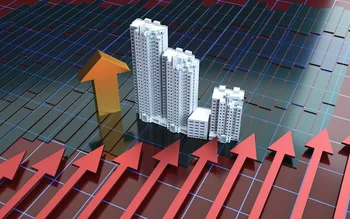
Capital gain refers to the increase in the value of an asset, in this case, a property over time. This phenomenon is crucial for any investor or owner, as it determines how your initial investment appreciates. In the context of location, factors such as infrastructure, urban development, and market demand play a fundamental role in the appreciation of a property's value. For example, if you decide to buy a home in an area that is experiencing economic and social growth, you are likely to see a significant increase in its value over time, which can translate into substantial financial benefits when you decide to sell or rent.
Additionally, understanding how appreciation affects your investment allows you to make more informed decisions about where and when to acquire a property. A strategic location can not only offer you a desired lifestyle but also ensure greater long-term profitability. Considering aspects such as proximity to essential services (schools, hospitals, shopping centers) and future development projections in the area can be crucial to ensure that your investment not only retains its value but increases significantly. Thus, taking advantage of appreciation opportunities becomes an essential pillar to strengthen your financial security when choosing your ideal home.
Advertisements
Emerging Areas: Opportunities in the Costa Rican Real Estate Market
Emerging areas in Costa Rica are attracting the attention of investors and buyers due to their growth and development potential. Localities that were previously considered peripheral are now transforming into centers of economic activity, driven by increased infrastructure, services, and access to transportation. This phenomenon not only improves the quality of life for residents but also increases property values in these areas. By identifying an emerging area, buyers have the opportunity to acquire real estate at more accessible prices before the market recognizes its true potential.
Investing in an emerging area can offer significant long-term returns. As these areas continue to develop, they are likely to experience an increase in real estate demand, which can translate into a considerable rise in property value. Moreover, many of these areas align with global trends such as sustainability and smart urbanism, making them even more attractive to future residents and investors. Therefore, by choosing strategic locations within the framework of emerging areas, one not only secures a comfortable and functional home but also a solid investment that will contribute to financial security.
Proximity to Services: Access to Education and Health as a Key Factor
Proximity to essential services such as education and health plays a crucial role in evaluating a residential location. Living near good schools not only benefits children's academic development but also increases the area's appeal to future families, which can translate into property value appreciation. Areas with access to recognized educational institutions tend to maintain higher interest in the real estate market, as potential parents seek to ensure a solid future for their children. This sustained demand can result in higher prices and significant financial stability for those investing in those areas.
Having nearby hospitals and health centers is essential for the peace of mind of residents. Access to timely medical care not only improves quality of life but also significantly influences real estate buying decisions. Buyers are often drawn to properties located in neighborhoods well-served by healthcare facilities, as this ensures immediate support in case of any medical eventuality. By prioritizing these features when choosing your home, you not only protect your personal and family well-being but also secure a safer and more valuable long-term real estate investment.
Safety and Crime: How to Evaluate Local Statistics
When assessing safety in a location, it is essential to analyze local crime statistics. These figures not only reflect the level of safety in a neighborhood but can also influence the appreciation of your property's value over time. Accessing crime reports and knowing the most common types of crimes in the area will provide you with a clear view of potential risks. Additionally, it is advisable to inquire about the actions that local authorities are taking to improve safety, such as community watch programs or investments in public lighting.
Another key aspect is to talk to the current residents of the neighborhood. They can offer you valuable information and personal perspectives that are not always reflected in official statistics. Asking about their daily experience and how they feel about safety can give you a more complete and realistic view of the place. Additionally, researching if there are active community groups working to maintain safety can be a positive indicator of local commitment to a safe and secure environment. By integrating both quantitative and qualitative data into your assessment, you will be better prepared to make informed decisions about your real estate investment and thus ensure your future financial well-being.
Infrastructure and Urban Development: The Impact on Property Values
Infrastructure and urban development are key factors that determine property values in any locality. A well-planned area, with access to essential services such as public transportation, schools, hospitals, and recreational areas, not only improves the quality of life of its residents but also attracts potential buyers and investors. In this sense, an investment in an area with strong urban development can significantly increase its value over time. For example, the construction of new roads or subway lines can turn a previously undervalued neighborhood into an attractive option for families and professionals alike.
Furthermore, the presence of future projects in the region can positively influence the perception of the local real estate market. Initiatives such as urban parks, shopping centers, or improvements in public spaces are often indicators of growth and economic revitalization. These developments not only enhance the neighborhood's aesthetics but also increase the demand for housing in the area. Therefore, when considering a property to live in or invest in, it is essential to research urban planning and public investments that may positively affect the long-term value of your home. Choosing wisely will allow you to not only enjoy your immediate surroundings but also ensure a considerable appreciation in your real estate investment.
Public Transport and Connectivity: Amenities that Add Value
Public transportation and connectivity are two aspects that play a crucial role in property valuation. Living in a well-connected area facilitates access to essential services such as hospitals, schools, and workplaces, which not only improves the quality of life for residents but also increases the attractiveness of the property in the market. Areas with good public transportation connections tend to have higher demand, which can translate into a significant increase in the value of your investment as the population seeks convenient locations to live and work. Moreover, having efficient transportation options can significantly reduce the costs associated with daily commuting. This is especially relevant in cities where traffic can be a constant challenge. By choosing a location with easy access to public transportation, not only are travel times optimized, but a more sustainable and economical lifestyle is also promoted. Thus, investing in properties close to bus routes, train stations, or metro systems becomes a smart decision for those looking to maximize their long-term financial security.
Connectivity goes beyond transportation; areas with good digital infrastructure and access to fast internet are increasingly valued by today's buyers. In an increasingly interconnected world, where remote work and digital activities are gaining prominence, having access to advanced technological services becomes a determining factor to enhance not only the appeal of the home but also its potential value in the future. Choosing a strategic location that combines both efficient public transport and digital connectivity could be key to securing your real estate investment.
Community and Quality of Life: Elements that Influence Your Choice
The community in which you decide to settle plays a crucial role in your quality of life and, consequently, in your financial security. When choosing a neighborhood, it is essential to consider factors such as social cohesion, access to services, and the presence of cultural and recreational activities. A united community tends to foster a greater sense of belonging and security, which can translate into a better appreciation of property values over time. Additionally, having good neighbors and a support network can ease the adaptation to new circumstances, thereby increasing your overall well-being.
Similarly, when evaluating the quality of life that a specific location offers, it is important to analyze aspects such as local infrastructure and available services. Proximity to quality schools, hospitals, parks, and shopping centers not only enhances your daily experience but also attracts future buyers or tenants if you decide to rent or sell your property. Ultimately, choosing an area with good community characteristics and adequate facilities will not only enrich your daily life but also be a determining factor in maintaining or increasing the value of your real estate investment in the future.
Real Estate Market Trends: Anticipating the Future of Your Investment
The real estate market is a living organism that adapts to the changing needs of society. In this sense, anticipating market trends can be crucial for ensuring a solid investment. Factors such as urban growth, the demand for sustainable housing, and the increase in digitalization are redefining which areas are more desirable. For example, areas that were previously considered peripheral are being revitalized thanks to infrastructure and commercial development projects, which not only improves the quality of life but also increases property values in those sectors.
Additionally, it is essential to pay attention to demographic preferences and emerging lifestyles. The search for versatile spaces that offer both comfort and functionality is driving the popularity of planned communities and mixed-use environments. Likewise, the rise of remote work has led many buyers to reconsider their ideal location; they are now seeking areas with access to nature and essential services without sacrificing connectivity. By staying informed about these trends, you can make more informed decisions when choosing a location that not only meets your current needs but also has significant potential for value appreciation in the future.
Advertisements
More in Best Areas

Location and Value, Best Areas
House rents in October: what rose and what fell

Location and Value, Best Areas
The housing market in October: what rose and what fell

Location and Value, Best Areas
The lot market in October: what rose and what fell
Location and Value, Best Areas
Investing Successfully: Choosing Areas that Ensure Appreciation
Most viewed in Location and Value
Location and Value, Best Areas
House rents in October: what rose and what fell
Location and Value, Best Areas
The housing market in October: what rose and what fell
Location and Value, Best Areas
The lot market in October: what rose and what fell
Location and Value, Community Living
The impact of accessibility on the value of your property