
Locations that Elevate Your Investment: What You Need to Know
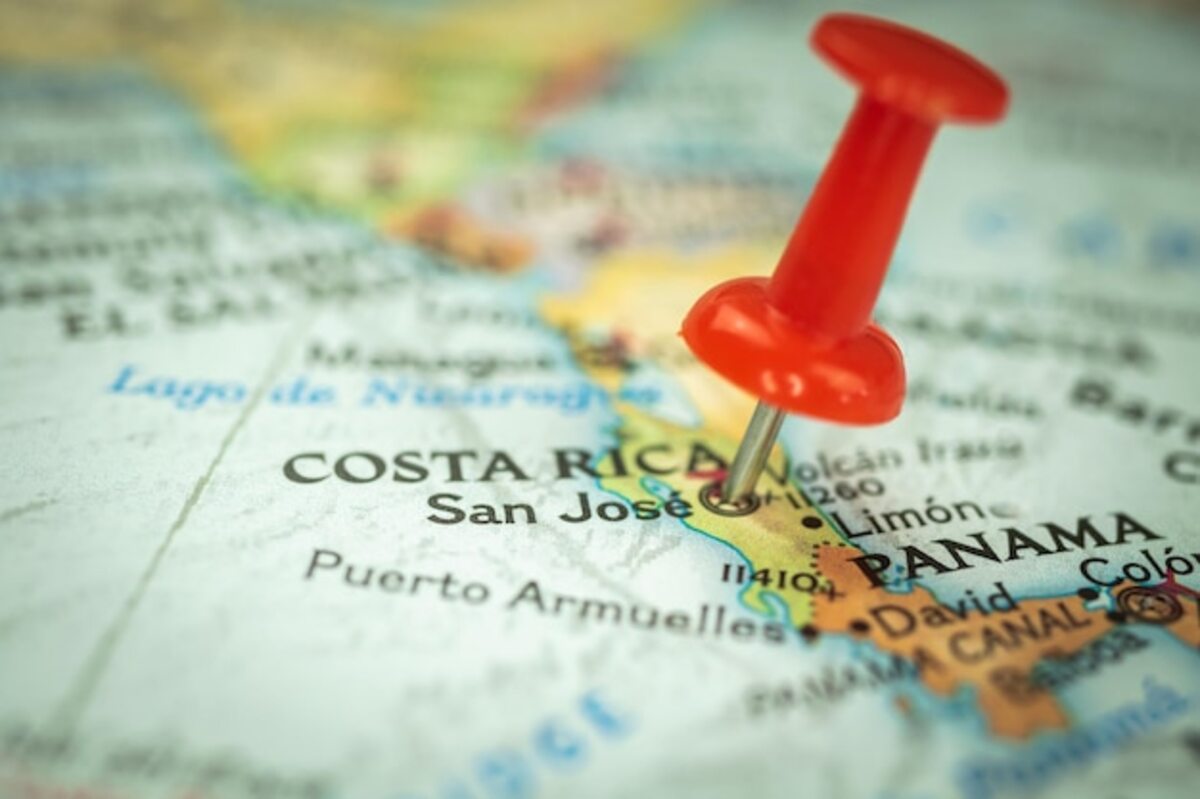
Locations that Enhance Your Investment: What You Need to Know is an essential resource for those looking to maximize the value of their properties in Costa Rica. Location is one of the most determining factors in appreciation, and knowing the best areas will allow you to not only make a smart investment but also secure a prosperous future. In this article, we will break down the key aspects you should consider when choosing the ideal place for your next real estate investment, thus ensuring that every colón counts.
Why is Location Key in Real Estate Investment?
Location is undoubtedly the fundamental pillar of real estate investment. When considering acquiring a property, it is essential to evaluate how the location can influence its value over time. Areas with access to basic services such as schools, hospitals, and public transportation tend to be more attractive to buyers and renters. Furthermore, zones that are under development or appreciation present unique opportunities; investing in these areas before they consolidate can lead to a significant increase in property value. Therefore, a good location not only ensures comfort and quality of life but also promises an attractive return on investment.
Another crucial aspect related to location is the supply and demand of the local real estate market. Properties situated in strategic locations tend to maintain their demand even during economic fluctuations. This is because buyers always seek the best for their families and are willing to pay more to live in desirable areas. Likewise, factors such as population growth and regional economic development can further boost interest in certain locations. Thus, understanding current market trends and future projections will allow you to make informed decisions that maximize your investment and ensure its long-term profitability.
Advertisements
The Best Emerging Areas in Costa Rica
Costa Rica has established itself as an attractive destination for real estate investors, and in this context, several emerging areas are gaining prominence. Places like the Guanacaste region and the Central Valley have seen notable growth in recent years, driven by the expansion of infrastructure and services. Guanacaste, with its stunning beaches and warm climate, attracts both tourists and permanent residents seeking quality of life. Meanwhile, the Central Valley, with cities like Heredia and Alajuela, offers the perfect blend of urbanity and nature, making it an ideal place for families and professionals seeking comfort and accessibility.
Another area that deserves attention is the Nicoya region, known for its relaxed lifestyle and focus on sustainability. This peninsula is not only famous for its pristine beaches but also for being one of the "blue zones" in the world, where longevity is remarkable among its inhabitants. Investing in properties here means not only capitalizing on the tourism boom that this area is experiencing but also supporting a healthy lifestyle that many seek to replicate. With the growing interest in ecotourism and sustainable community projects, Nicoya positions itself as an exceptional option for those looking to diversify their real estate portfolio while contributing to the well-being of the local environment.
Infrastructure and Accessibility: Critical Factors
Infrastructure and accessibility are crucial elements when evaluating a location for real estate investment. Good infrastructure, including paved roads, efficient utilities, and high-speed internet connections, not only enhances the quality of life for residents but also increases the area's appeal to future buyers or renters. Likewise, investments in public transportation, such as buses or commuter trains, can transform a zone by facilitating movement to urban centers or job areas. In this regard, it is essential to research urban development plans and government initiatives that may impact infrastructure in the near future.
Accessibility is another determining factor that can significantly influence the value of a property. Locations near hospitals, schools, shopping centers, and recreational areas are often more desirable for families and young professionals. Additionally, proximity to airports and major roads can attract both tourists and expatriate workers, which is especially relevant in a country like Costa Rica that receives a considerable influx of international visitors. When evaluating a potential property, consider not only what the area currently offers but also its future projection; good access today can translate into appreciation tomorrow.
Economic Growth Projections by Region
Economic growth projections by region are essential when evaluating where to make a real estate investment. In Costa Rica, various areas have shown steady development thanks to factors such as infrastructure, tourism, and the creation of free trade zones. Regions like the Gran Área Metropolitana (GAM) continue to be a magnet for investments due to their access to services, employment, and education. However, other emerging areas, such as Guanacaste and the Caribbean region, are rapidly gaining ground due to increased tourist interest and sustainable development projects that promise to improve the local quality of life.
It is crucial to consider these regional aspects not only from an economic standpoint but also from a social one. Communities that experience sustained growth tend to attract greater investment in public services and urban infrastructure, which in turn enhances property values in those areas. By focusing on regions with clear projections of economic growth, investors have the opportunity not only to maximize their financial return but also to contribute to the overall well-being of the involved communities. Thus, a virtuous cycle is established in which both property owners and residents benefit from continuous development.
Evaluation of Local Services and Amenities
The evaluation of local services and amenities is a crucial aspect that should not be overlooked when considering a real estate investment. Proximity to schools, hospitals, supermarkets, and recreational centers can significantly influence the quality of life for residents and, consequently, the demand for properties in that area. Buyers often seek areas that offer good infrastructure and access to these services, which translates to greater stability in property value. Furthermore, areas with a focus on community well-being and sustainable development tend to attract more interest, thereby increasing their appreciation.
Additionally, amenities such as parks, sports areas, efficient public transportation, and dining options can be deciding factors for potential tenants or buyers. A well-equipped location not only enhances the daily experience of its residents but can also serve as a distinguishing attraction compared to other properties in the market. In this regard, conducting thorough research on what each neighborhood offers is essential to ensure that your investment is not only profitable in the short term but also retains its value in the long term. Considering these aspects will enable you to make more informed and strategic decisions when acquiring a property.
Impact of Tourism on Property Appreciation
Tourism is an economic engine that directly influences the appreciation of properties. In Costa Rica, where the natural and cultural appeal attracts thousands of visitors each year, tourist areas tend to experience a significant increase in land and building value. The constant demand for accommodation, whether in the form of vacation homes or apartments for short-term rentals, creates a favorable environment for investors. Additionally, areas close to beaches, national parks, or tourist attractions are often more desirable, leading to a continuous appreciation of properties.
It is important to consider that not only the influx of tourists impacts property value; the infrastructure developed in those locations also plays a role. Projects such as new roads, shopping centers, and improved public services contribute to making certain areas more attractive. These developments can attract both tenants and potential buyers, thereby increasing competition for available spaces. Therefore, when evaluating a property for investment, it is crucial to research not only the current tourist flow but also the projections for future development in the area, thus ensuring an investment with robust and sustainable growth.
Comparative Analysis: Urban vs Rural Areas
The comparative analysis between urban and rural areas is essential to understand how each type of location can impact your real estate investment. Urban areas generally offer a greater concentration of services, infrastructure, and job opportunities, which often translates into a constant demand for properties. Investing in urban areas can mean a rapid increase in property value due to the high population density and the continuous development that these areas tend to experience. However, this same demand can drive prices higher, requiring careful evaluation to ensure that the investment is financially viable. On the other hand, rural areas present a different appeal that should not be underestimated. Although they may lack some urban services, they often offer larger lots and more affordable prices. The trend towards a more sustainable lifestyle away from the hustle and bustle of the city has led many people to consider rural areas as viable options for living and investing. Furthermore, the growth potential in these areas can be significant if future developments such as new access routes or investments in tourism are observed. Therefore, when comparing both types of locations, it is crucial to evaluate not only the current market conditions but also the future projections that could influence the appreciation of your investment.
Practical Tips for Investing in Real Estate in Costa Rica
When investing in real estate in Costa Rica, it is essential to conduct a thorough market analysis. Start by researching areas that are experiencing economic growth and urban development. Areas near infrastructure projects, such as new roads or shopping centers, tend to see an increase in property demand. It is also advisable to visit the locations in person to understand the environment, amenities, and safety of the area, factors that can significantly influence the appreciation of your investment in the long term.
Don't underestimate the power of building relationships with local real estate agents and industry experts. They have insider information about emerging trends and opportunities that may not be available to the general public. Participating in forums or discussion groups related to investments can provide you with valuable insights into market behavior and the interests of other investors.
Finally, consider diversifying your investment by purchasing properties in different locations within the country. This not only minimizes risks but also allows you to take advantage of different opportunities based on fluctuations in the local market. Flexibility and a well-planned strategy are key to maximizing your returns and ensuring a prosperous future in the competitive Costa Rican real estate world.
Advertisements
More in Best Areas

Location and Value, Best Areas
House rents in October: what rose and what fell
Location and Value, Best Areas
The housing market in October: what rose and what fell

Location and Value, Best Areas
The lot market in October: what rose and what fell

Location and Value, Best Areas
Investing Successfully: Choosing Areas that Ensure Appreciation
Most viewed in Location and Value
Location and Value, Best Areas
House rents in October: what rose and what fell
Location and Value, Best Areas
The housing market in October: what rose and what fell
Location and Value, Best Areas
The lot market in October: what rose and what fell

Location and Value, Community Living
The impact of accessibility on the value of your property